


The following information is based on a report originally published by A Midwestern Doctor. Key details have been streamlined and editorialized for clarity and impact. Read the original report here.
Did you know that you can have somebody murdered for their organs if you pay for an organ transplant in China?
It sounds far too dark, but it’s true.
Hop on a plane, pay for a transplant, and you’ll receive an organ with an impossibly short wait time.
But here’s the catch: chances are that organ came from a murdered prisoner.
China denies this is happening, but mounting evidence, whistleblower testimonies, and impossible transplant timelines tell a very different story.
And if that’s happening in China with organ transplants, what’s being swept under the rug here in America?
This is the dark side of organ transplants nobody had the integrity to tell you about.
Most people think organ donation is a simple act of generosity. Check the box. Save a life. End of story.
But behind the scenes, a series of federal investigations has exposed something far more disturbing. And there’s no generosity in sight.
The system meant to protect those barely clinging to life is failing—and in some cases, it’s a catastrophic failure.
Take Jenny’s story for example. Jenny was declared brain dead when she wasn’t at all. Terrifyingly, she was stuck inside her body, fully aware of everything that was happening—and being said—around her.
Including a doctor telling med students that her husband was “unreasonable” for not signing her organs—and her life—away.
Thankfully he didn’t or Jenny wouldn’t be here today to share her story.
What is brain death? There is no standard.
The ethical line between life and death is not where you think it is.
Modern medicine has slowly reshaped how we think—and feel—about death.
Tools like CPR, ventilators, and organ transplantation have created the belief that death is negotiable—something to be delayed, managed, or “conquered.”
That belief built enormous trust. And with that trust came enormous profit.
Organ transplants can cost a staggering $446,000–$1.9 million each. In the US, healthcare now consumes 17.6% of the economy.
Where scarcity meets profit, exploitation always follows.
Always.

This information comes from the work of medical researcher A Midwestern Doctor. For all the sources and details, read the full report below.
The Hidden Crisis in Organ Transplantation

A global demand for organs created one of the largest black markets on earth.
Numerous investigations have documented vulnerable people getting tricked into selling their kidneys, refugees being targeted by traffickers, foreign clinics offering “on-demand” organs, medical professionals quietly cooperating with the demands placed on them, and entire governments accused of harvesting prisoners.
The organ trade is dark and disturbing.
An estimated 5% of global transplants involve black-market organs. And kidneys make up 75% of that market.
When desperation collides with money, humanity becomes collateral damage.
One of the most chilling aspects of this is how often consciousness is misunderstood—sometimes willingly.
Some people who appear unresponsive are actually fully aware. They’re just trapped inside their bodies and unable to communicate.
Can you imagine how terrifying that would be?
fMRI scans show that 20% of “vegetative” patients demonstrate intentional brain activity, 25% can respond mentally to commands, and the ability to hear often persists even near death.
This raises a terrifying possibility. What if some “donors” are fully aware during the moments leading to organ removal?
A real life nightmare.

The concept of “brain death” holds the entire transplant system together.
But “brain death” was only created in 1968. Not because science proved it, but because medical institutions needed a way to harvest organs while the body’s circulation was still intact, and because caring for brain-damaged patients was a burden on the medical system.
Even committee members acknowledged the science was uncertain.
Today’s neuroscience suggests many “brain-dead” patients are not dead at all—they’re simply unresponsive.
The full report from A Midwestern Doctor documents cases no one expected to see. It will completely change how you think about “brain death.”
If you’ve been confronted with someone declared brain dead in your life, you may want to read this report with caution.
The Hidden Crisis in Organ Transplantation
These real cases show just how fragile a diagnosis like this can be:
• A young man declared brain dead heard doctors say he was dead—he later “woke up.”
• A teenager regained brainwaves months after her diagnosis.
• Others began breathing right before scheduled organ procurement.
• One woman woke up on the operating table itself.
A major study found more than 30% of “hopeless” patients would have recovered if life support hadn’t been withdrawn.
Martin, the man featured in this video, fell ill at 12-years-old. For years he lived as if he were a ghost in the room. His mom, believing Martin was brain dead, even told him, “I hope you die.”
More than 10 years later, after years of abuse, someone realized he was conscious.
With the help of a computer, Martin said it best himself: “Never underestimate the power of the mind.”
Then there are the cases that will haunt the medical staff who witnessed it for the rest of their lives.
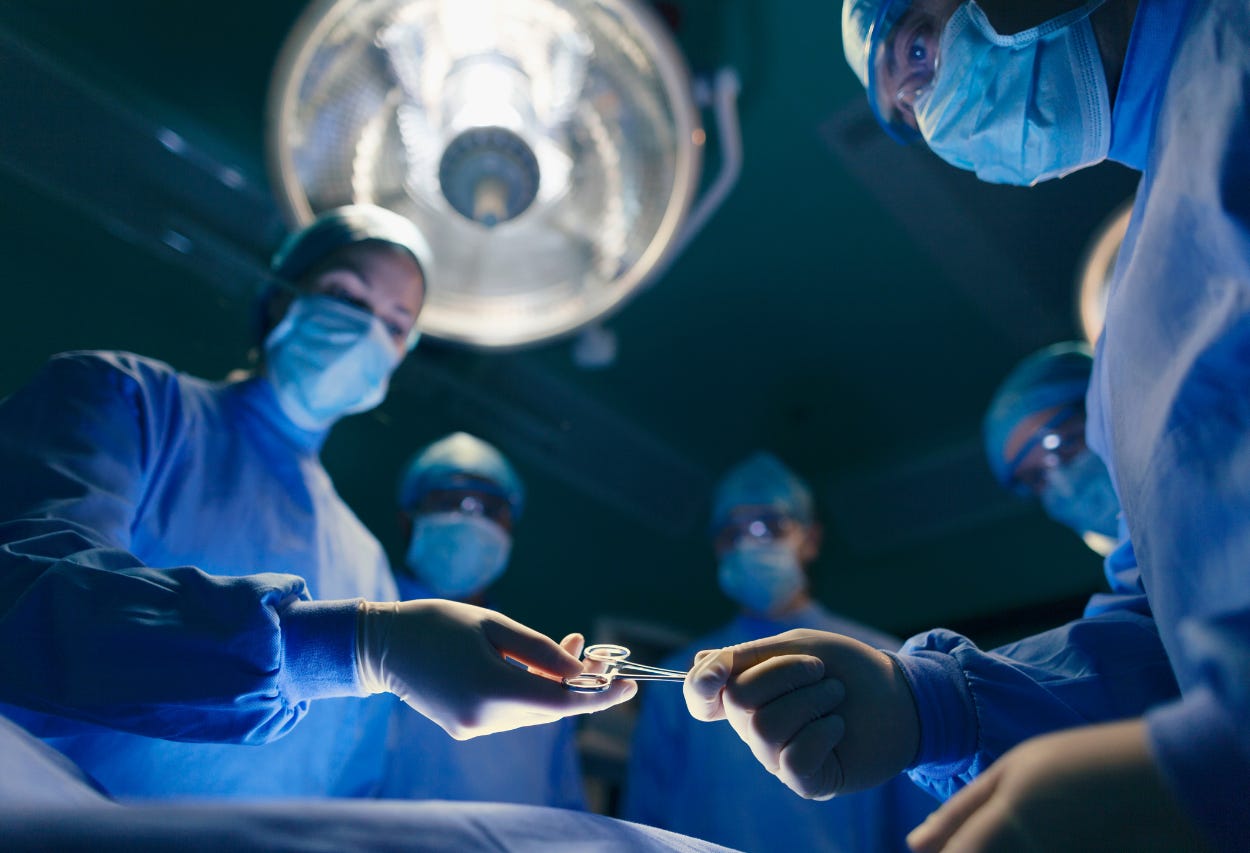
Patients brought to the operating room fully conscious.
Anthony was wheeled down with eyes wide open, and tears streaming down his face as he mouthed “help me.”
He thrashed on the table to avoid surgery. The surgeon refused to continue while the organ coordinators hurried to find another surgeon willing to kill him.
This isn’t a movie script. This is TJ’s story.
And TJ is a lucky one. Other patients are sedated anyway despite their best efforts to connect.
Recent federal investigations blew the doors open.
Congress and the DOJ found that the Organ Procurement and Transplant Network had become completely corrupt and dysfunctional.
Take a look at some of what they found:
• 20–25% of kidneys were lost in transport
• 80% of eligible organs were never collected
• Poor training leading to misdiagnosis of brain death
• Manipulation of families to get approval
• Retaliation against whistleblowers
• Altering cause of death
• Medicare fraud
This doesn’t add up to simply a handful of errors—it’s systemic rot.
The Health Resources and Services Administration did a deep-dive. And their bombshell investigation revealed the most horrifying statistics yet:
In cases where organ procurement was canceled last minute, 29.3% showed concerning features including 73 patients who had neurological activity inconsistent with organ removal, and 28 had no cardiac death recorded, suggesting survival.
No one expected RFK Jr. to make these findings public. But he did.
Mainstream media confirmed the same pattern.
A 2025 New York Times investigation reported:
• coordinators pressured clinicians to give morphine/propofol to speed things up
• an alert patient who was crying was sedated anyway
• staff felt they were “part of killing someone”
• dozens of medical workers witnessed disturbing cases
One neurologist said these incidents are likely “far more common than we know.”

Once you read the firsthand accounts inside A Midwestern Doctor’s article, you’ll understand why whistleblowers risked everything to expose this.
The Hidden Crisis in Organ Transplantation
What most people don’t realize is that transplants fail far more often than advertised.
Check out these ten-year failure rates:
• lung → 72%
• heart → 46%
• kidney → 46%
• liver → 32%
Recipients must take immunosuppressive drugs costing up to $30,000 a year. And these drugs come with dangerous side effects.
You probably remember hearing stories during COVID—people were denied transplants for refusing the vaccine. Oftentimes, members of their medical team supported the decision but the hospitals required it.
And it turns out, some vaccines trigger graft rejection.

The investigations revealed a system incapable of regulating itself.
Real solutions require modern consciousness testing and strict guidelines, independent ethics teams, mandatory neurological second opinions, strict legal safeguards, transparent reporting, and heavy penalties for violations.
But even the most perfect oversight won’t solve the core issue. Demand for human organs massively exceeds the supply.
As long as organs are needed and thus worth hundreds of thousands of dollars, the system will be tempted to cut corners.
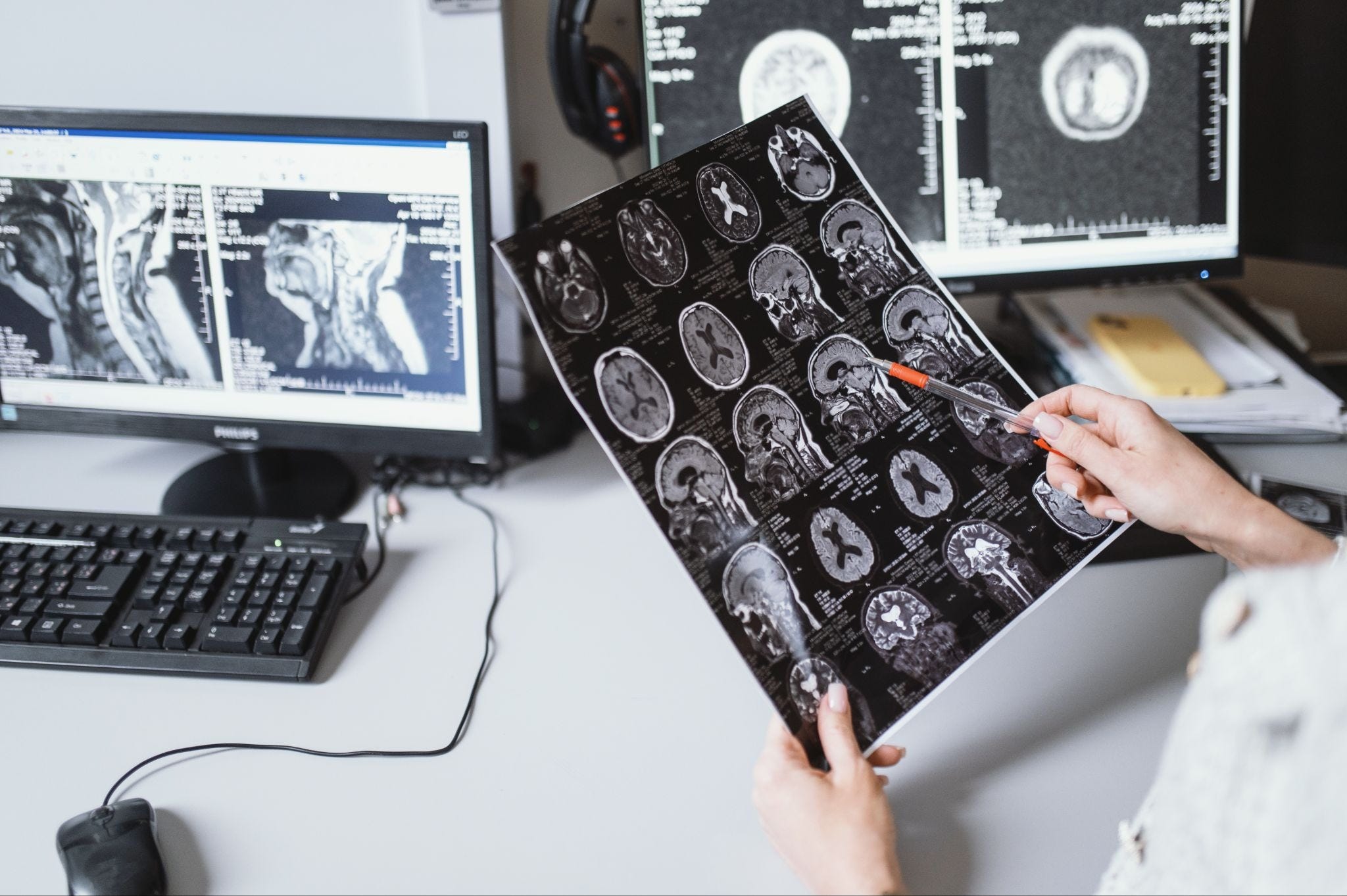
That’s one of the biggest reasons why alternatives to organ transplants matter.
Some of the most promising approaches include regenerative therapies that restore organs, lab-grown artificial organs, safe living-donor programs, and neurological therapies (like using DMSO) that may revive patients who were previously labeled “brain dead.”
Some physicians report patients recovering after receiving treatments that mainstream medicine has ignored—and even laughed at—for decades.
If even a fraction of these recoveries are real, the implications are enormous!
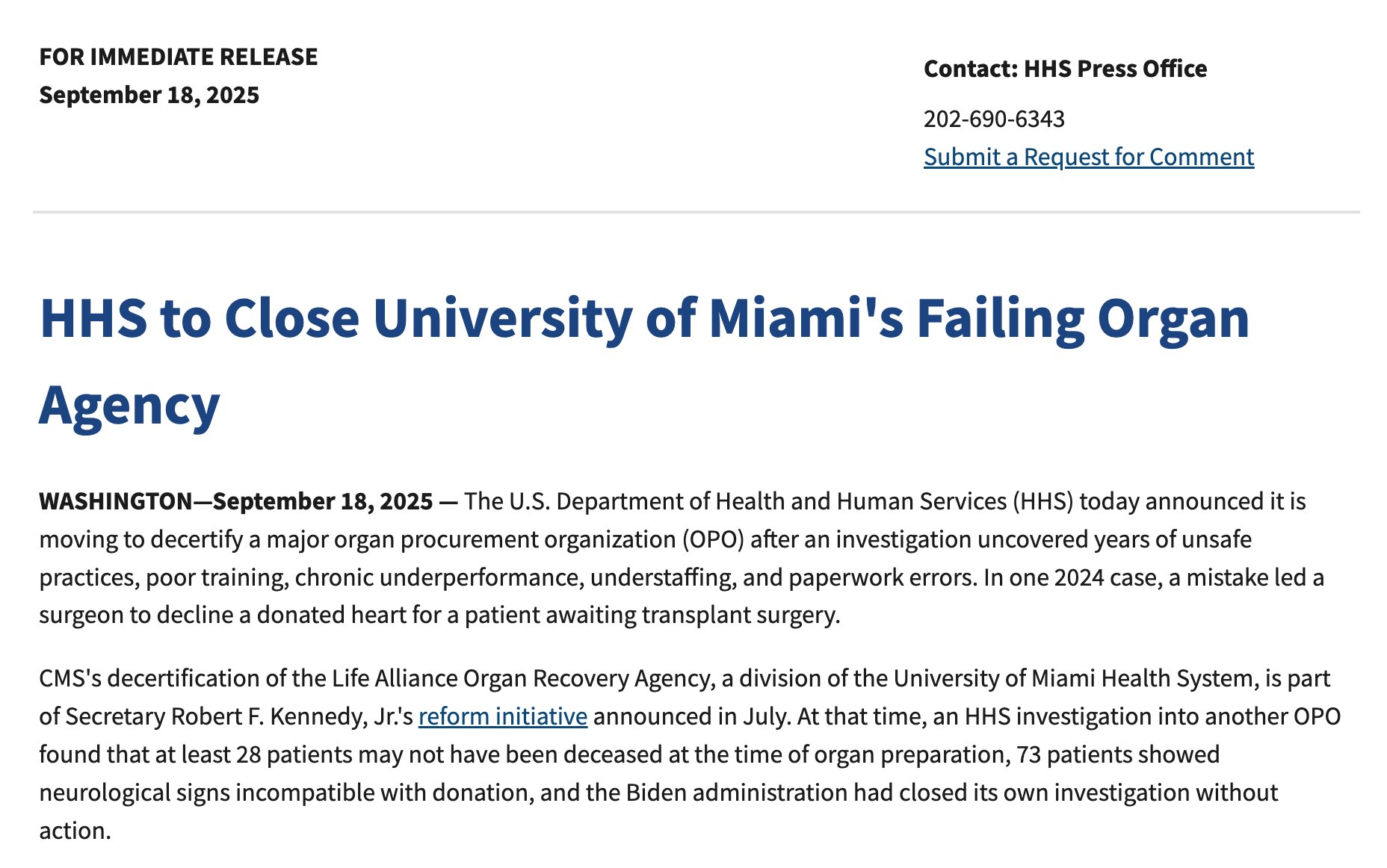
Did you know HHS decertified a major organ procurement organization in Florida?
Some of their violations included things like harvesting attempts despite neurological activity, falsified documentation, unsafe practices, and untrained staff.
It was the first decertification of its kind, and a warning shot to the entire industry.
If the industry doesn’t shape up, it just may be the first decertification of many.
The details of these investigations are extremely disturbing. A Midwestern Doctor’s full report out every documented failure step by step.
If you’ve ticked the box to be an organ donor, you need to read this.
The Hidden Crisis in Organ Transplantation
The reason attention is being drawn to this isn’t about stopping organ donation. It’s about protecting human life and making a better future.
The investigations revealed a system where the vulnerable were not always truly dead, where families were pressured into decisions they didn’t understand or even agree with, and where misdiagnosis could literally mean the difference between life and death.
This is not how a civilized society handles that boundary. So what are we doing?
On top of everything else, the emotional burden of transplants is enormous.
Recipients often report unexplained changes that they didn’t expect.
Things like new food cravings, new talents, altered personalities, unfamiliar fears, and memories that match the donor’s life. Wow.
Some cases are so detailed they helped solve crimes.
It raises a deep and important question: When you transplant an organ, what else comes with it?
We must better understand every aspect of transplants so we can finally improve the system.

Thankfully the truth is getting out.
Incredibly, federal agencies have actually acknowledged the failures. Whistleblowers have spoken. Families have come forward.
We are standing at a moment where reform is not only possible—it is morally necessary.
If the line between life and death can be bent for convenience, it can be bent for anything.
And one day it may be someone you know—or even you—on that operating table.
Thanks for reading! This information was based on a report originally published by A Midwestern Doctor. Key details were streamlined and editorialized for clarity and impact. Read the original report here.
For a deeper dive into what modern medicine has overlooked—or intentionally buried—check out these other eye-opening reports by A Midwestern Doctor:
Why Smart People Fall for the Biggest Lies
Why Do So Many People Get Sick After Vaccines?
What’s The Healthiest Water To Drink?
While you’re at it, give A Midwestern Doctor a follow. No one brings more research, clinical insight, or historical context when it comes to exposing the health myths we’ve all been fed. This is easily one of the most valuable accounts you’ll ever follow.

If you haven’t subscribed to this Substack yet, take a moment to read what some of the most powerful voices in the medical freedom/truth movement have to say:
“The Vigilant Fox has been putting in a lot of work to create a news platform that shares the stories we want to hear about and brings attention to the most important things to know about.”
– A Midwestern Doctor, The Forgotten Side of Medicine
“The Vigilant Fox absolutely is on top of things. We must support our fighters, and the Fox is fighting with truth.”
– Tom Renz, Tom Renz’s Newsletter
“Excellent capture of key video presentations on evolving pandemic science.”
– Peter A. McCullough, MD, MPH, FOCAL POINTS (Courageous Discourse)

I've heard of cases where the person was about to be operated on for their organs and had come out of their coma and startle the doctors and nurses. A lot of people believe the person has to be dead before they remove organs, but that's not the case at all. You can't harvest organs from a cadaver, the person must be alive.
Many years ago, I saw reports of this. I immediately removed the organ donor listed on my driver’s license and my wife did as well. We informed our children of the dangers and I believe they also removed it.
Another thing to think about is when doctors speak in front of a comatose patient and discuss end of life. When one of my sons was near death, the doctor casually spoke about turning off the machines keeping him alive. I had to get that doctor out of the room and tell him never to speak like that in front of my son, comatose or not! I had read many testimonials from formerly comatose patients who had enough brain activity to hear and get upset despite the fact that they couldn’t express it.