

The following information is based on a report originally published by A Midwestern Doctor. Key details have been streamlined and editorialized for clarity and impact. Read the original report here.
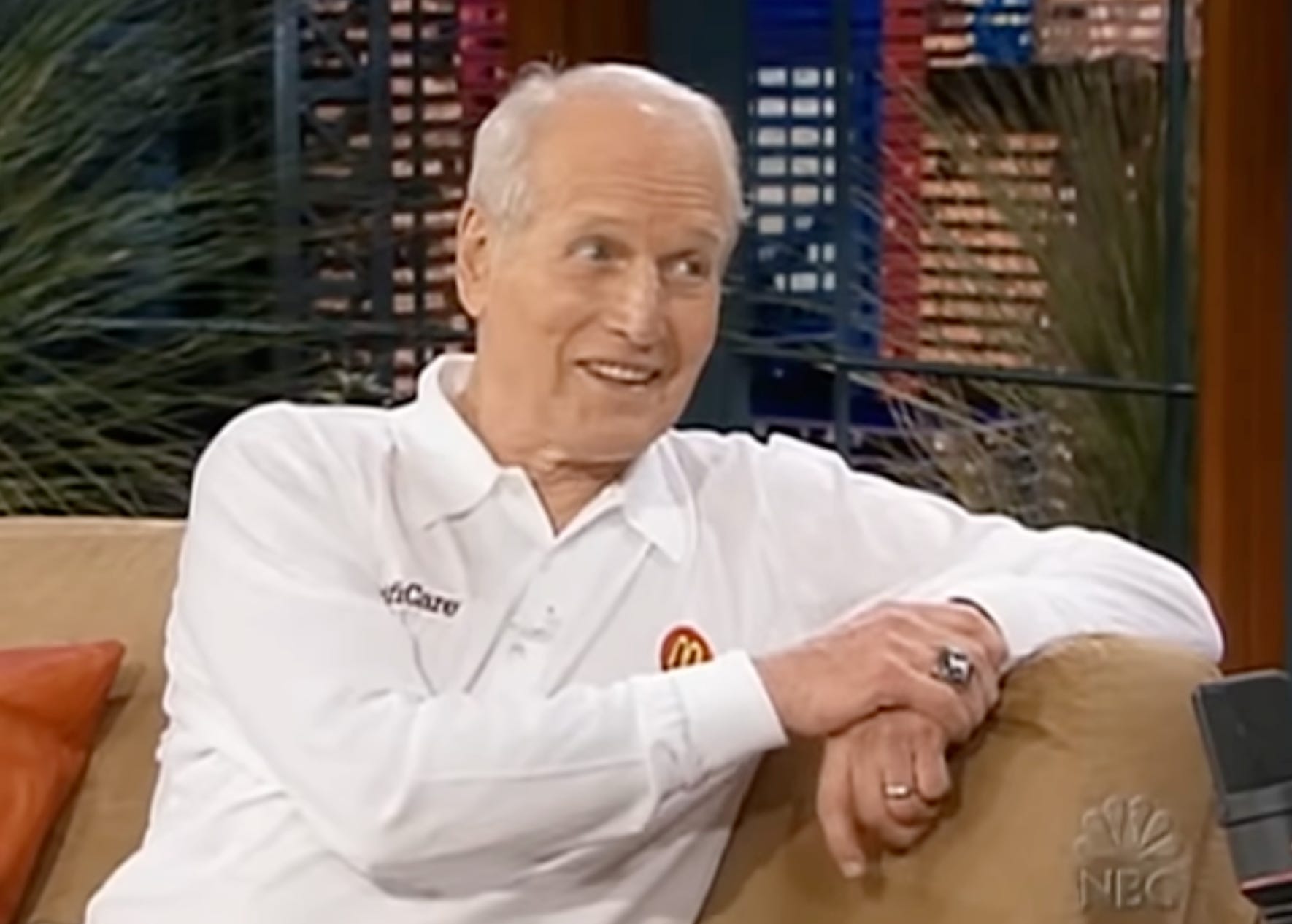
In 2008, beloved actor Paul Newman made a medical decision that revealed wisdom ahead of its time.
He had been diagnosed with lung cancer, underwent chemotherapy, only to later discover his condition was terminal.
Newman faced a defining choice:
• He could undergo aggressive hospital-based interventions that might extend his life by a few months.
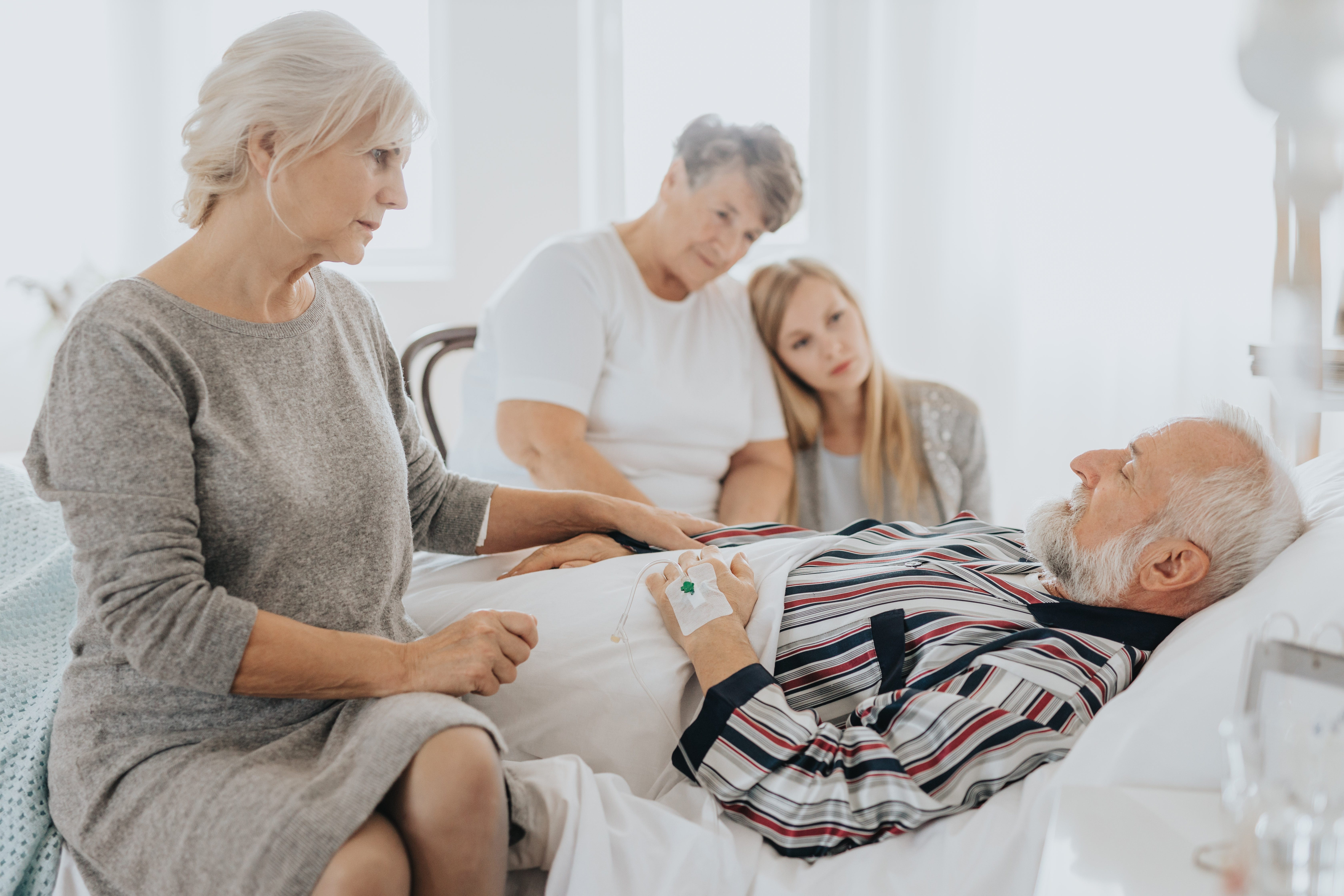
• Or he could walk away from the hospital, spend his final days at home, and die on his own terms, surrounded by those he loved.
Newman chose the latter, choosing quality over quantity, spending his final days with his wife, Joanne, and his daughters.
Newman had always been known for his humility and grounded perspective.
But perhaps one of his greatest gifts was the wisdom he left behind on how to view death.
For most of history, death wasn’t treated as a medical emergency waiting to be solved.
It was something people lived alongside, something families experienced together, something that unfolded in familiar places with meaning and context.
Today, that entire framework has been replaced with a model that treats death as a technical failure.
And the consequences of that shift show up most clearly at the very end.

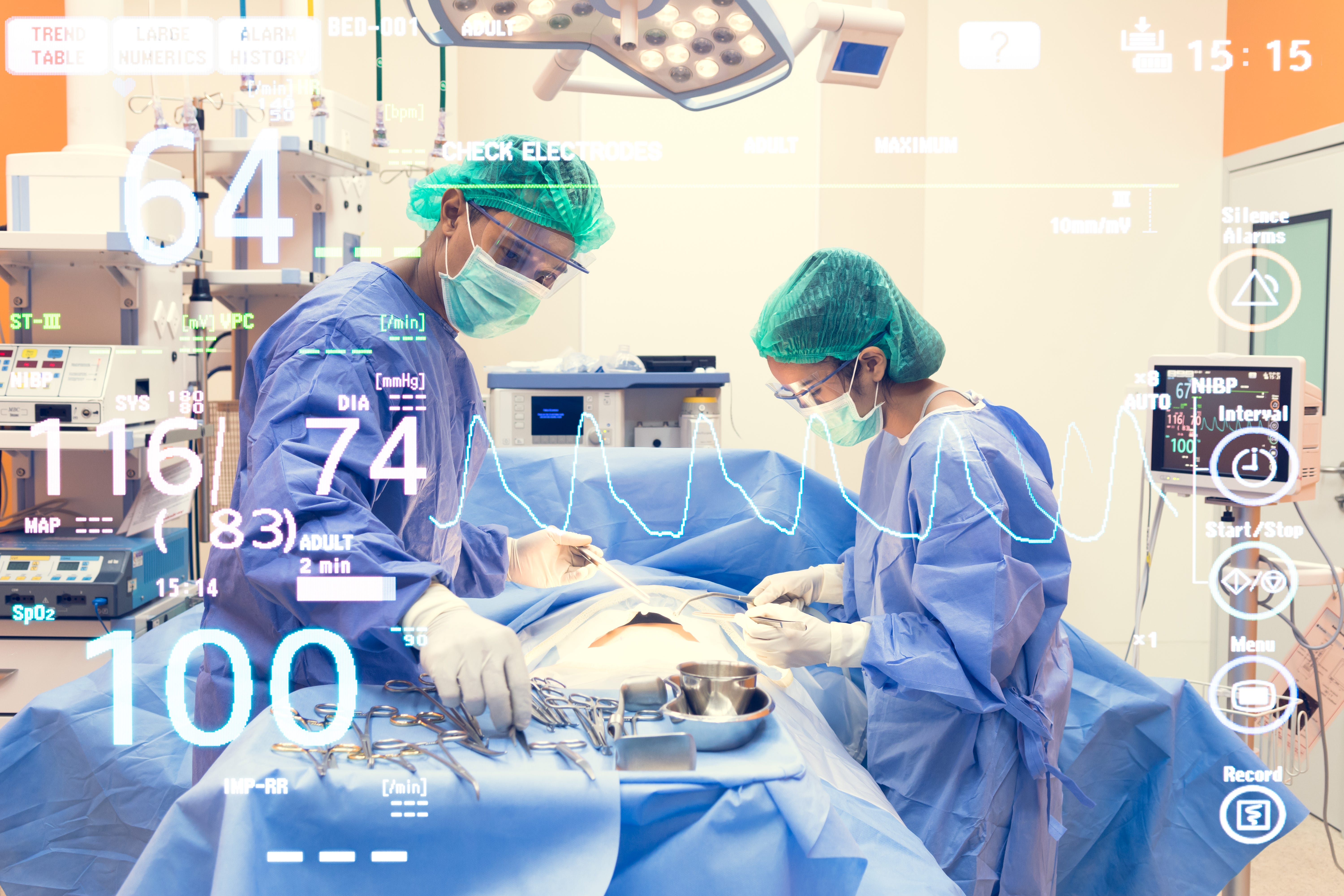
Now, one of the most common places people die is in a hospital.
Surrounded by machines, protocols, and interventions that are often deeply uncomfortable and, in many cases, unlikely to even change the outcome.
What used to be a personal transition has turned into a clinical process.
And most people don’t realize how different those two experiences actually are until they’re in the midst of it.
This information comes from the work of medical researcher A Midwestern Doctor. For all the sources and details, read the full report below.
How Modern Medicine Hijacked Death and How to Reclaim a Better Way to Die

End-of-life care in hospitals is frequently invasive—and not in a minor way.
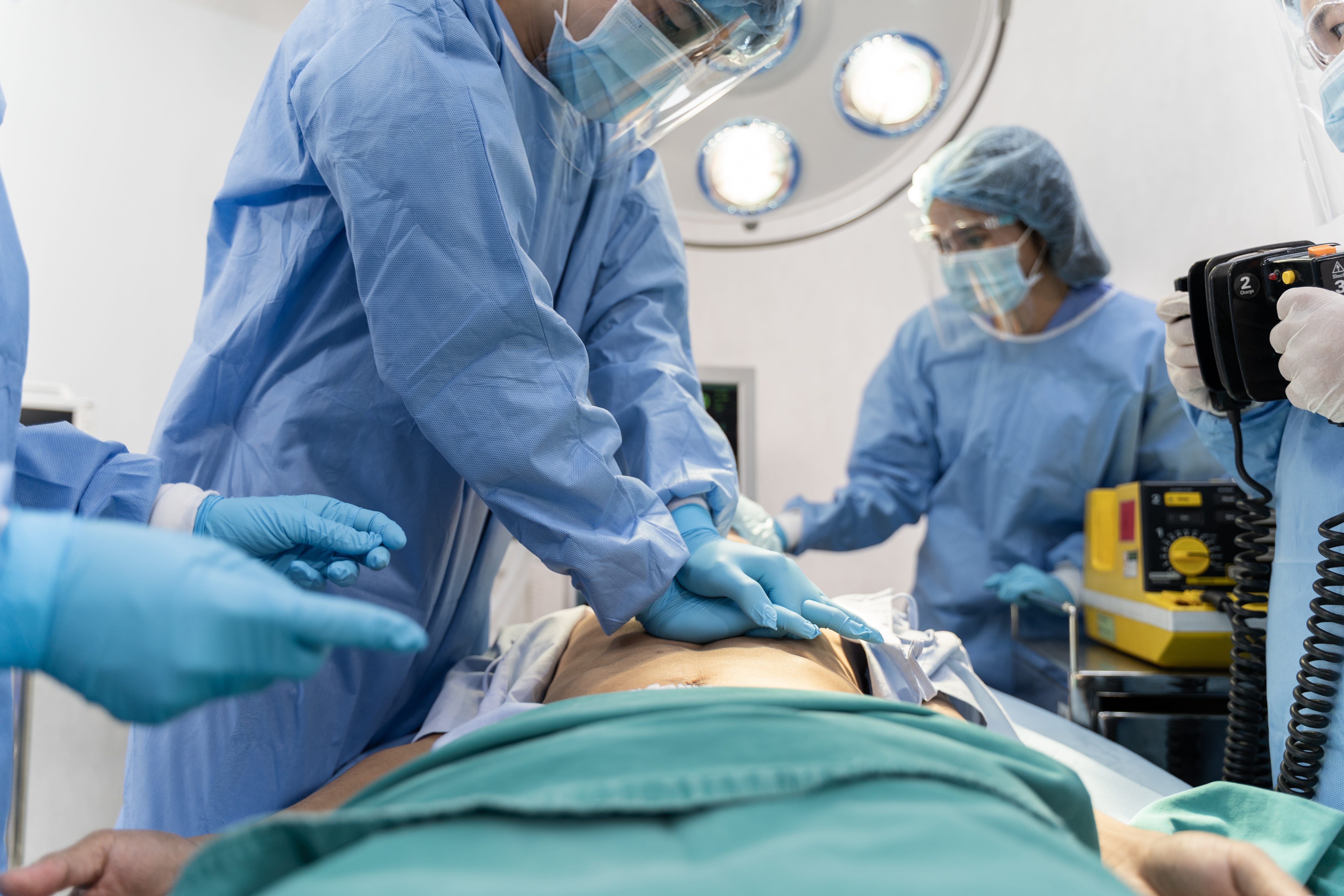
Procedures like CPR, which are often portrayed as dramatic life-saving moments, can involve significant physical trauma when done correctly, including broken ribs, and yet they are still routinely performed—even when the likelihood of meaningful recovery is extremely low.
Here’s where the numbers really matter.
In hospital settings, the survival rate for CPR is only around 23 to 25 percent. And outside of hospitals it drops closer to 10 percent.
Those are not reassuring odds, yet most people are never told this in a clear, direct way when big decisions are being made in real time.

And despite those odds, aggressive intervention remains the default path, not the exception.
Families are often placed in impossible positions, feeling like choosing anything less than full intervention means giving up.
But in reality they’re being asked to navigate a system that is structurally biased toward doing more, regardless of whether or not it aligns with the patient’s wishes.
Most people have no idea how aggressive end-of-life care actually gets—or how low the odds of survival really are.
A Midwestern Doctor’s full breakdown goes deeper into what patients are never told.
How Modern Medicine Hijacked Death and How to Reclaim a Better Way to Die
There’s a revealing contradiction buried in all of this.
Doctors, the people who understand this system better than anyone else, consistently make different choices for themselves.
They are less likely to undergo surgery in their final months, less likely to be admitted to intensive care, and less likely to die in hospitals compared to the general population.
That gap alone should raise serious questions.
The gap suggests that the people with the most knowledge about how end-of-life care actually works are quietly opting out of it.
While the broader public continues to be funneled directly into it, often without a full understanding of what that experience will look like or what the real outcomes tend to be.

And this isn’t happening in a vacuum.
End-of-life care represents one of the largest categories of medical spending, which creates a set of incentives that don’t always align with patient comfort, dignity, or even long-term outcomes.
When a system is structured this way, doing more becomes the default—even when more doesn’t actually help.

Over time, this has led to something deeper than just overtreatment.
It has changed how people think about death itself.
Instead of being something understood and prepared for, it becomes something feared, avoided, and ultimately handed over to institutions that operate on protocols rather than personal meaning.
That shift has consequences.
Because when death is treated as something to be fought at all costs, it often becomes more painful, more isolating, and more disconnected from the values that actually matter most to people in their final moments.
You can see this clearly in how people reflect at the end of life.
Again and again, what surfaces isn’t a desire for more procedures or more time in a hospital bed.
It’s a focus on relationships, authenticity, unresolved conversations, and the impact they had on others—things that the current system is not designed to prioritize.
This is part of what makes the medicalization of death so problematic.
At the exact moment when autonomy matters most, it is often reduced.
Decisions are made quickly, under pressure, within a system that favors intervention.
Patients can quickly lose control over how their final days actually unfold. And there’s no chance for a redo.
Even within this system, there are signals pointing in a different direction.
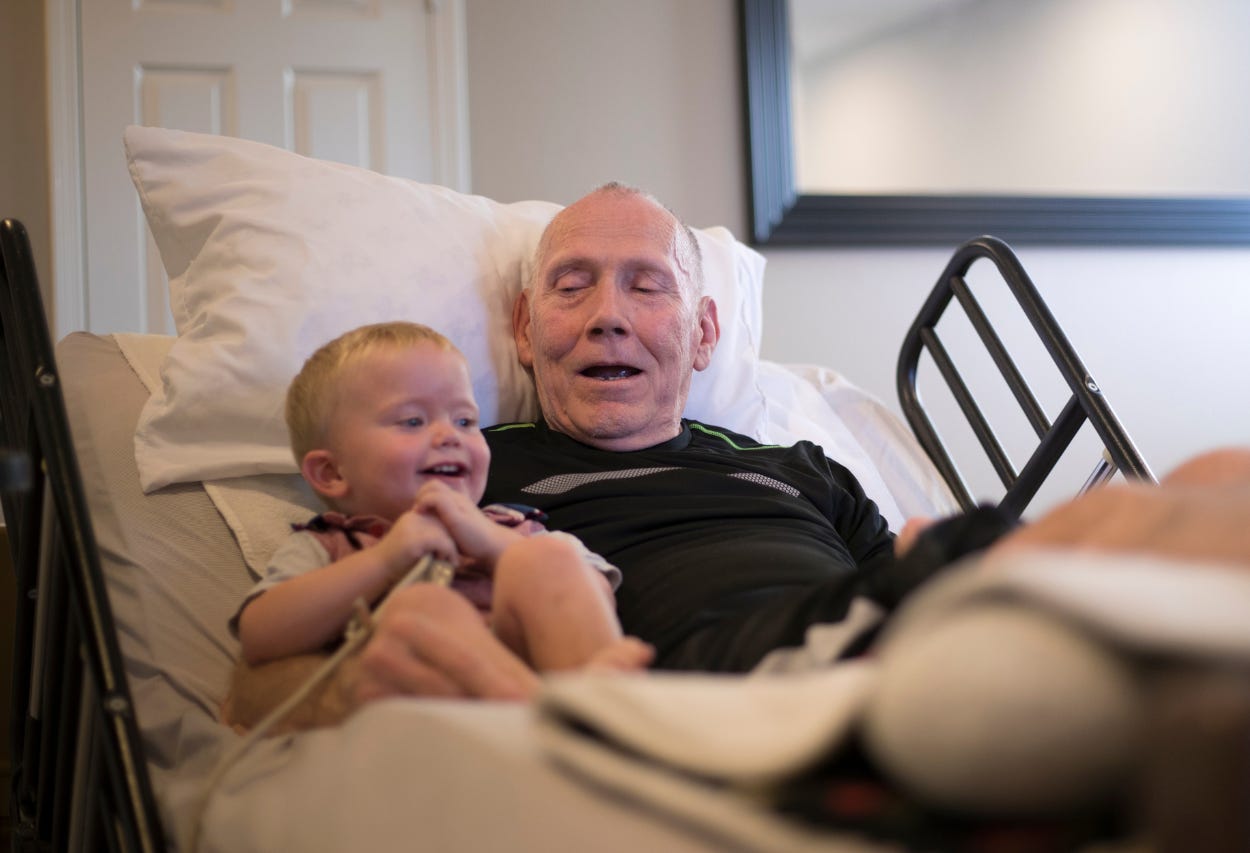
Hospice care has grown, and more people are beginning to question whether dying at home, in a familiar environment, surrounded by people they trust, might be a fundamentally better experience than a highly medicalized death inside a hospital.
There’s a reason doctors make very different end-of-life decisions than their patients.
A Midwestern Doctor breaks down exactly why—and what they know that most people don’t.
How Modern Medicine Hijacked Death and How to Reclaim a Better Way to Die
But at the same time, another shocking trend is emerging.
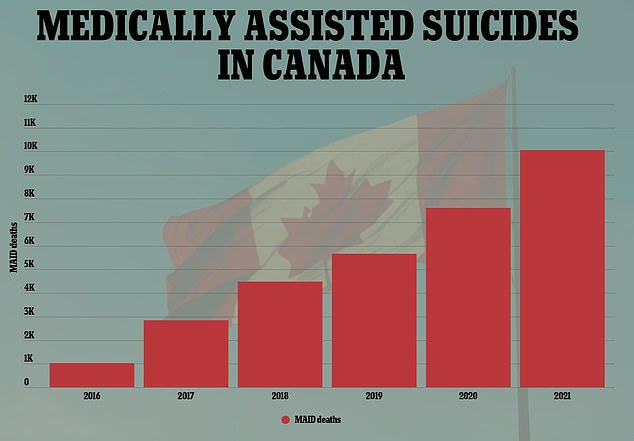
Medically assisted dying is becoming more normalized.
Countries like Canada are reporting that over 5 percent of deaths now fall into this category.
That’s a new layer of ethical tension that society is only beginning to grapple with.
When systems are strained and resources are limited, the line between offering a choice and subtly encouraging it can become blurred, especially for vulnerable patients who may already feel like a burden or lack adequate support.
And that’s a scary place to be.
All of this points to a deeper issue that goes beyond policy or individual decisions.
Modern medicine has become incredibly effective at intervening in the body, but far less equipped to handle the psychological, emotional, and spiritual dimensions of dying, even though those are often the aspects people care about most in the end.
This gap becomes especially clear when you look at how consciousness is treated.
The dominant model assumes that consciousness is produced entirely by the brain, but a growing body of observations—from near-death experiences to unusual transplant cases—raises questions about whether that model fully explains what happens as life comes to an end.
Across cultures and throughout history, death has been understood as more than just a biological shutdown.
For many generations, it has been treated as a transition, something that requires preparation, awareness, and, in many traditions, a form of guidance that modern systems largely ignore.
When that dimension is removed, something important is lost.
The process becomes mechanical, stripped of meaning, and disconnected from the frameworks that have helped humans navigate this moment for thousands of years.

This thread only scratches the surface.
The article dives deeper into the spiritual side of dying—and what countless near-death accounts suggest actually happens at the end.
How Modern Medicine Hijacked Death and How to Reclaim a Better Way to Die
One of the most powerful takeaways from people who have gone through the dying process, or closely witnessed it, is how much clarity emerges right at the end.
Priorities shift. Regrets surface. What once seemed important fades.
What truly mattered becomes obvious, but often too late to fully act on.
That clarity is invaluable.
But in a system that medicalizes death, there is often very little space to access it in a meaningful way.
Because the focus remains on extending life rather than understanding the life that was lived.
Which brings us back to a simple and uncomfortable question.
If the people who understand the system best are choosing a different path for themselves, why isn’t that the path most people are being guided toward?
If death is one of the most important moments in a human life, why has it been almost entirely handed over to a system that treats it as a problem to solve rather than an experience to navigate?
Reclaiming a better way to die doesn’t mean rejecting medicine.
It means recognizing its limits, restoring autonomy, and making conscious decisions about how you want that final chapter to unfold—before someone else makes those decisions for you.
Thanks for reading! This information was based on a report originally published by A Midwestern Doctor. Key details were streamlined and editorialized for clarity and impact. Read the original report here.
How Modern Medicine Hijacked Death and How to Reclaim a Better Way to Die
For a deeper dive into what modern medicine has overlooked—or intentionally buried—check out these other eye-opening reports by A Midwestern Doctor:
The Great Cholesterol Scam and The Dangers of Statins
The Hidden Dangers of Hospital Births & How to Protect Your Family
What’s The Healthiest Water To Drink?
While you’re at it, give A Midwestern Doctor a follow. No one brings more research, clinical insight, or historical context when it comes to exposing the health myths we’ve all been fed. This is easily one of the most valuable accounts you’ll ever follow.

If you haven’t subscribed to this Substack yet, take a moment to read what some of the most powerful voices in the medical freedom/truth movement have to say:
“The Vigilant Fox has been putting in a lot of work to create a news platform that shares the stories we want to hear about and brings attention to the most important things to know about. If you want a daily newsfeed in alignment with our ...”
– A Midwestern Doctor, The Forgotten Side of Medicine
“The Vigilant Fox absolutely is on top of things. We must support our fighters, and the Fox is fighting with truth.”
– Tom Renz, Tom Renz’s Newsletter
“Excellent capture of key video presentations on evolving pandemic science.”
– Peter A. McCullough, MD, MPH, FOCAL POINTS (Courageous Discourse)

I've seen multiple articles about people facing a similar decision who choose "not chemo" since Newman's decision. My mother passed away from the big C in '01. She was pushed into the Conventional Western Medical route of chemo and drugs despite being told there was zero chance of success. Now, with there being up to 6 different ways available to kill cancer cells, or to prevent cancer cells from continuing to live & thrive, there's really no need to feed the "chemo machine" any more.
There's really only one decision for anyone who wants to continue their life with dignity, and with a better chance of success than the entire conventional western medical route of chemo and Big Phrama drugs. There's Dr Burzynski, whom the TX Med Board & FDA have spent over $250M attempting to take his patent and attempted to put him in jail for daring to create his own pharmaceutical company and his own cancer curing drug. Thankfully, the FDA and TX Medical Board have failed up to this point. All of these documents are legal documents are are public record for anyone willing to do their homework to check my words. They have succeeded in limiting his marketing and reach by limiting all sales to the state of TX over the past 40+ years.
There's the CIA known, wormwood route, which is the main ingredient in Ivermectin. Combining that with Fenbendazole and/or Menbedazole has lead to over 8,000 testimonials of successful healing - for cancer sufferers who've been told by programmed doctors that there's only one way.
That leads to the CIA known cleaning of parasites, the DMSO route, and the fasting route. Understanding how the cancer cells eats, and its need for sugar, glucose, and how it takes in glycogen stores makes this one quite obvious for even the least of the biology and chemistry people like me. (I am stating that I am not an expert, but I do read and educate myself to the way the body actually works instead of just trusting what the messaging tries to tell me via television, news, movies, etc.)
Of course, there's Otto' Warburg's proven science of cutting off the oxygen supply for cancer and Warburg's winning of the Nobel Prize in Physiology for his work showing cancer's susceptibility to an oxygenated environment in 1931. That's 6 ways to rid the body of cancer with less money, pain, and less headache. Yet, if anyone shares these details; their words are ostracized, they are vilified for daring to think or believe there's another Source higher than the Conventional Medical community, and they are killed in the press and sometimes killed in real life for challenging the Evil Empire's system.
It important to note and share that the cure to cancer has been here, in many forms, for YEARS. Dr Thomas Seyfried PhD, proved how cancer cells can be starved without starving the patient because the cancer cells only use two fuels - glucose & glutamine. This is based on the science of Warburg, but continued to its conclusion.
You can use nutrition to achieve this without the need for ANY dangerous treatments that are commonly used in current times.
Dr Eric Berg has shared practical nutrition information to accomplish this.
Both have shared full citations of the science. Results have shown success for all forms of cancer, all stages, all ages ... even for supposed inoperable tumors, such as gioplastomas.
It should be obvious why "BigPharma" ignores, or even tries to suppress, such life saving information - if they can't patent it, they can't profit from it. In addition, the affordable cure from Mother Nature & human biology threatens their VERY profitable (but dangerous) cancer treatments.
The same is true for "BigCorp" (monopolies) who profit from so many foods & other products that CAUSE cancer in the first place. Corporations that have proven to value Profits over Lives certainly lack morals, and will not change until We the People force them to do so.
We do this either by policy, regulations & laws - which have a history of failure, loopholes & corruption - OR by voting with our dollar by spending on healthier options.
The latter is much more effective in the short term because you can rely on their Greed for Profits to force them to self correct.
The former is required, as well, long term to deal with companies that lack morals, which shouldn't exist based on common sense, but history has proven are far too common.
Options appear limited because of the "allowance" of excessive monopolization in nearly all areas of Capitalism, undermining the competition that will keep it healthy. ALL Monopolies should be banned in ALL forms, as they lead to corruption & evil practices, sooner or later, if not by design in the first place.