


The following information is based on a report originally published by A Midwestern Doctor. Key details have been streamlined and editorialized for clarity and impact. Read the original report here.
New Zealand authorities arrested this man for exposing the government’s COVID vaccine data.
What he uncovered inside the vaccine batches was horrifying.
When Barry Young, a former Ministry of Health employee, examined the data, he was alarmed to find a 21% death rate tied to Batch ID 1.
Batch ID 1: Total Vaccinated 711, Death Count 152, 21.38% Dead
Batch ID 2 showed similar results, with a 17% death rate — Total Vaccinated 221, Death Count 38, 17.19% Dead
Batch ID 3 followed close behind, with a 15% death rate — Total Vaccinated 310, Death Count 48, 15.48% Dead
According to Young, New Zealand’s underlying mortality rate should be just 0.75%, meaning the odds of these outcomes occurring by chance are roughly 100 billion to 1.
And these weren’t isolated cases. Numerous other batches showed death rates of 4.5% and higher.
“So statistically, what we’re saying is that there is no chance that this vaccine is not a killer,” Young concluded.
And instead of triggering an urgent investigation, this data triggered something else entirely…
Every major atrocity has something in common. Most people inside the system thought they were doing the right thing.
Not because they were cruel, but because data, authority, and ideology replaced human judgment.
Every system that causes mass harm depends on one thing: People who follow the rules instead of their conscience and what they see.
That’s why whistleblowers are so dangerous—and so rare.
History’s most uncomfortable lesson isn’t that evil people exist.
It’s that ordinary people comply while only a tiny minority risks everything to object.
Despite losing careers, reputations, and their families, a small minority of people always step forward to expose wrongdoing.
It’s not because it’s easy. It’s not because they’re rewarded.
It’s because something inside them won’t let them stay silent.
Modern society tells us we’re more enlightened and more ethical because we’re data-driven.
But what happens when the data is wrong? And what if it’s wrong on purpose? What if it’s incomplete? Or if it’s used to justify decisions that contradict lived reality?
History gives us an uncomfortable answer.
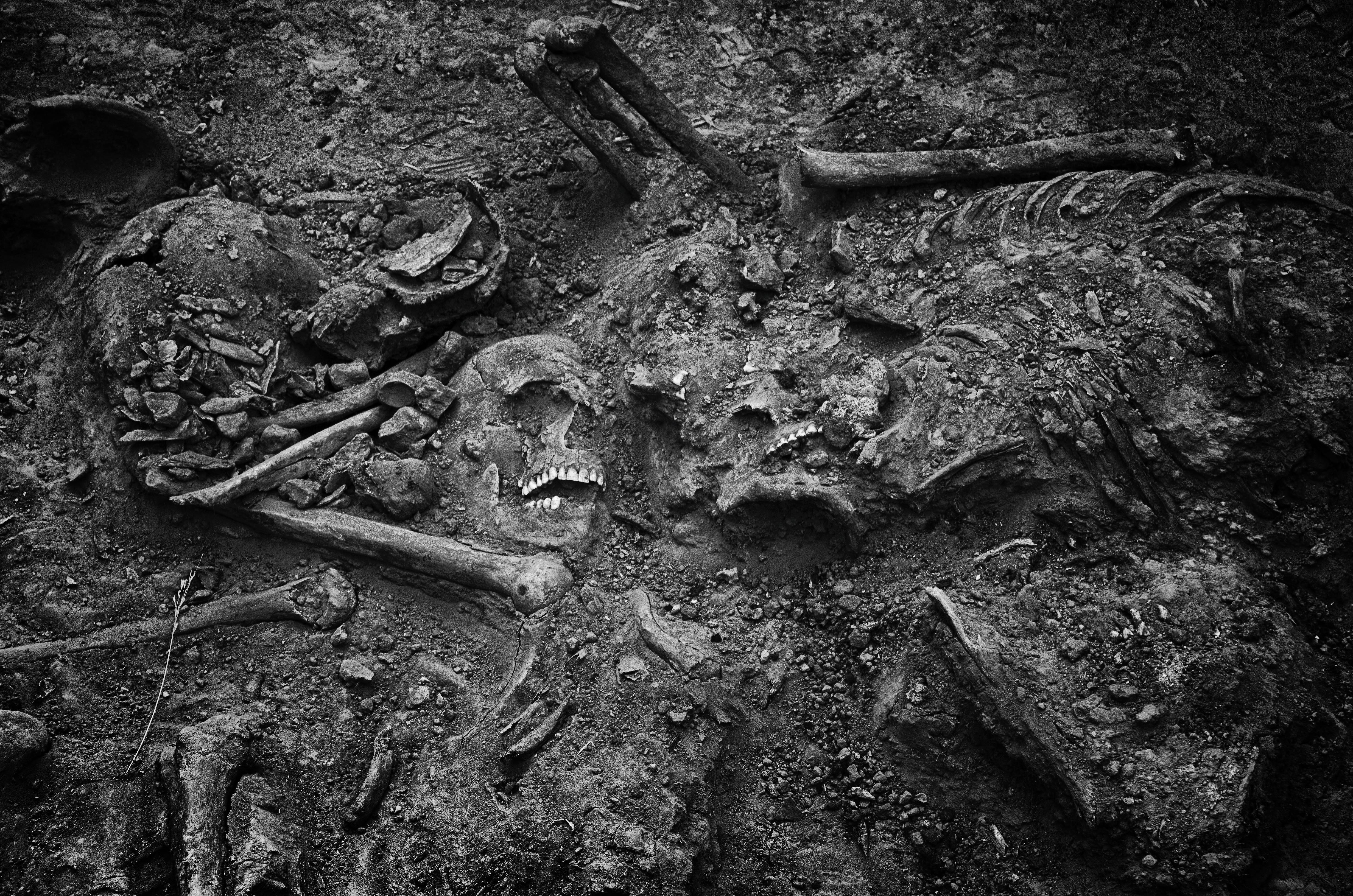
One of the central dangers of modern systems and their fixation on data is abstraction.
People are no longer individuals. No longer human. Instead, they’re molded into statistics, models, risk profiles, and projections.
Once that happens, human suffering becomes shockingly easy to dismiss. And sometimes it even becomes invisible.
This information comes from the work of medical researcher A Midwestern Doctor. For all the sources and details, read the full report below.
Data and Dehumanization in the Modern Era

When institutions prioritize metrics over meaning, they stop asking: “Is this harming people?”
Instead, they ask: “Does this align with our model?” Lived experience no longer matters.
Suddenly, real people and their experiences are dismissed. They’re anecdotal. Outliers. Misinformation. Just confused.
And it’s that shift allows harm to scale to deadly proportions.

Barry Young found himself in a challenging situation.
Barry was working directly with COVID vaccination data when he raised concerns that the numbers pointed to serious harm—including deaths—being obscured rather than investigated.
Instead of addressing the very real signal, institutions moved to silence the messenger. The police showed up at Barry’s door.
The full article from A Midwestern Doctor goes much deeper into how data-driven decision-making quietly trains people to ignore human suffering—and why this phenomenon isn’t new.
If you want to understand how moral blindness develops, you need to read this.
Data and Dehumanization in the Modern Era
This isn’t theoretical, and it isn’t new.
Throughout history, massive human suffering has been justified by economic predictions, productivity quotas, ideological “necessity,” and carefully curated statistics.
The numbers look great while the victims disappear between the lines in the spreadsheets.
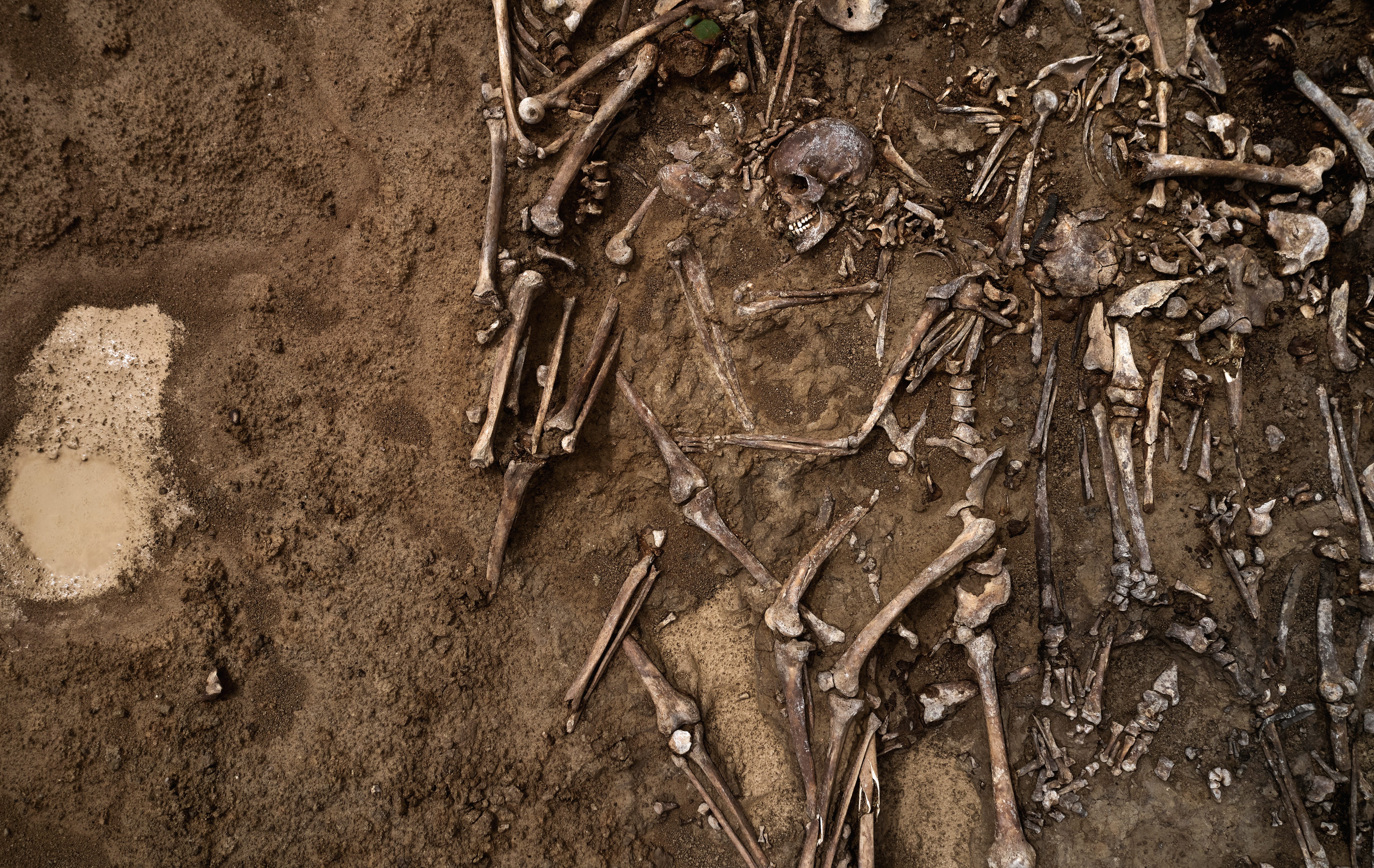
Here’s the uncomfortable truth:
The people inside these systems rarely see themselves as villains. They see themselves as responsible, rational, and compliant. They’re doing something for “the greater good.”
Dehumanization doesn’t feel cruel—it feels efficient.

This is why “the victors write the history books” isn’t a cliché—it’s a warning.
If we only inherit sanitized and polished narratives, we never confront how ordinary people are convinced to go along with it, how dissent is always silenced, and how unconscionable harm can be normalized.
We’re doomed to repeat it if the truth is always hidden.

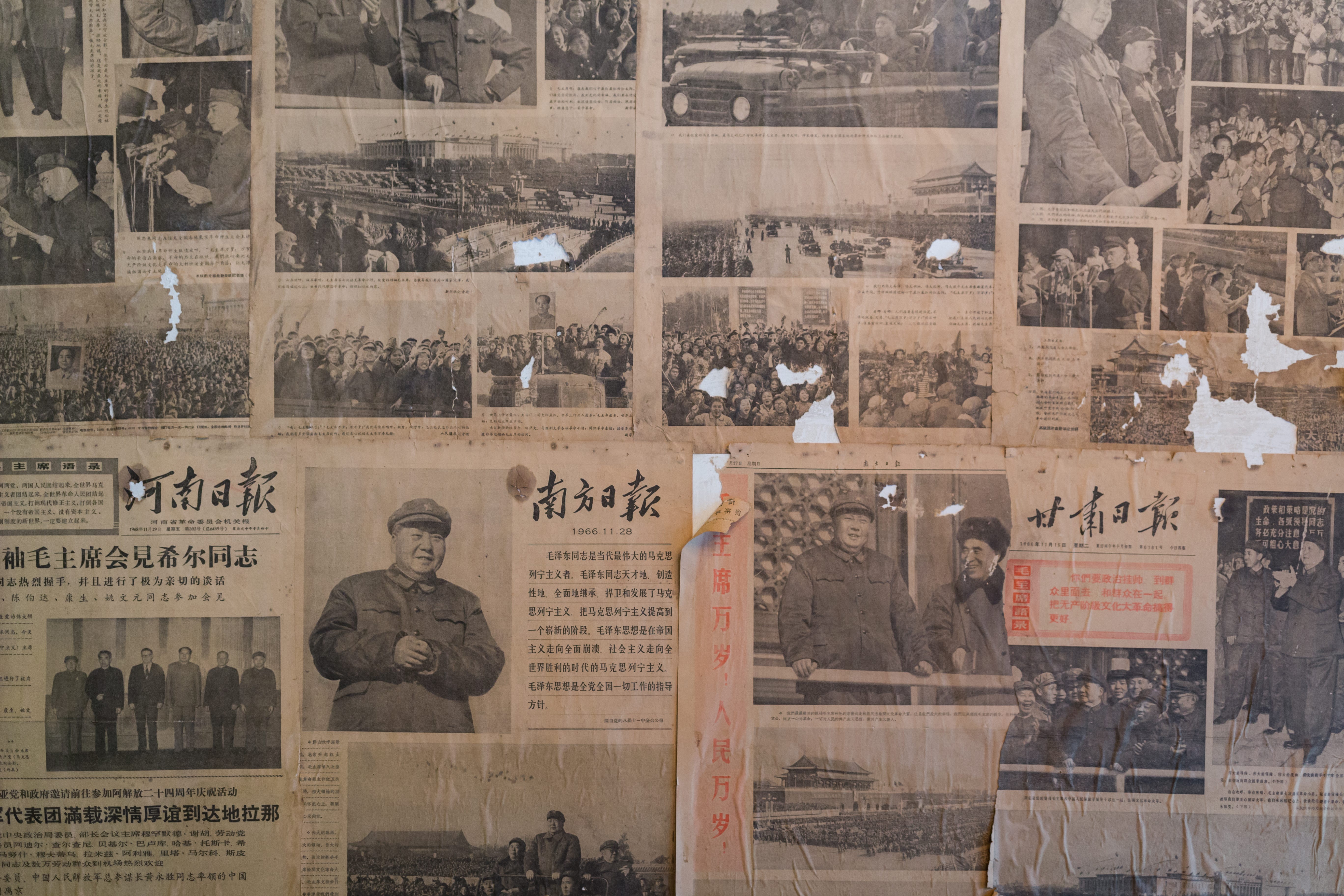
One horrific and often unacknowledged example is Mao-era China.
The scale of suffering wasn’t obvious to outsiders—or even many insiders—because ideology and numbers replaced human testimony.
Statistics said progress was happening. But reality said otherwise.
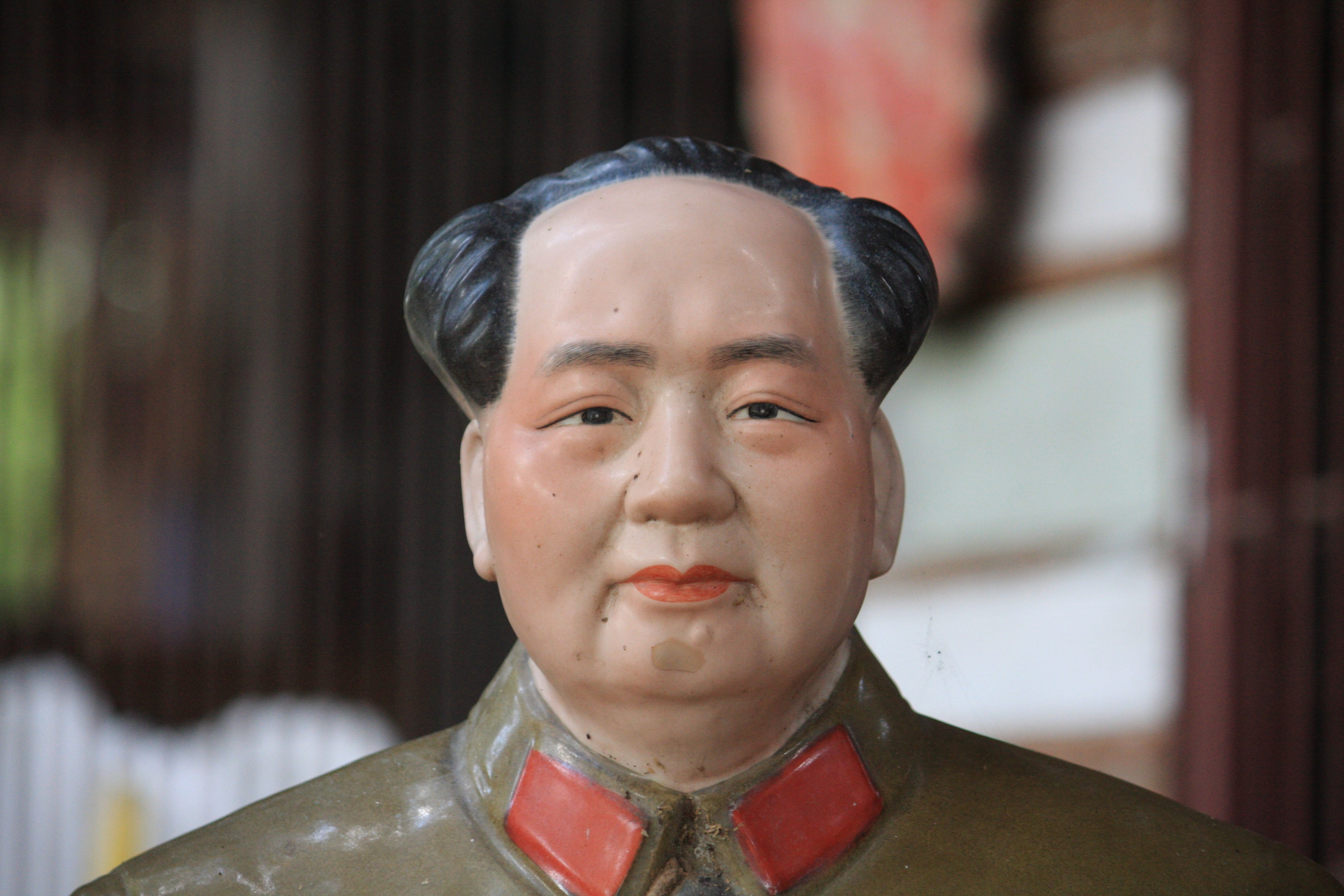
Mao didn’t just rule through force—he ruled through abstraction.
His policies were driven by centrally reported production data that everyone knew was false, yet no one could correct course without risking death—literally.
Local officials fabricated crop yields to satisfy ideological expectations, and the state treated humans as variables in a spreadsheet.
When reality conflicted with theory, reality was discarded.
Tens of millions starved. Not because food didn’t exist, but because data had replaced direct human observation, and dissent had been mathematically erased.

Mao’s atrocities were framed as progress.
Deaths were blamed on “temporary inefficiencies,” “counterrevolutionaries,” or statistical noise.
During the Cultural Revolution, personal relationships, history, and moral judgment were subordinated to metrics of ideological purity.
Once people are reduced to numbers, categories, or risks, cruelty becomes easy.
When systems value compliance with data models over lived reality, mass harm doesn’t require evil intent—just obedience and silence.
When suffering is filtered through ideology, people stop asking if what they’re being told is true.
They only ask if everything and anything supports the narrative.
And once those narratives become sacred, dissent can become dangerous.

If you think “that could never happen again,” the historical examples in this piece from A Midwestern Doctor will seriously challenge that assumption.
The parallels to modern institutions are unsettling.
Data and Dehumanization in the Modern Era
Most people living through historic disasters didn’t believe they were doing anything wrong.
They believed they were following evidence, trusting the experts, and acting responsibly. All for “the greater good.”
Sound familiar?

This is where Ivan Illich’s work becomes essential.
Illich warned that institutions don’t exist to serve humans indefinitely—they evolve to serve themselves. They eventually exist to protect their own legitimacy.
Once that happens, harm isn’t corrected—it’s rationalized.
Illich warned that institutional systems eventually replace wisdom with procedure, replace judgment with compliance, and replace ethics with metrics.
At that point, “doing your job” becomes a moral escape hatch.

Here’s the paradox:
Societies often praise whistleblowers after the damage is undeniable. But they punish them relentlessly while the damage is ongoing.
We call them heroes—but only once it’s safe.

This isn’t about one person or one scandal. It’s about a pattern.
When data dehumanizes, when institutions override conscience, when history is simplified… Mass harm becomes possible.
It’s exactly how intelligent societies repeat atrocities, even when we think it’s impossible.

The full write up from A Midwestern Doctor will make you stop and reevaluate how much history you think you know—and how much may have been filtered before it reached you.
Data and Dehumanization in the Modern Era
The most dangerous assumption isn’t that evil people exist.
The most dangerous assumption is that we would somehow be immune to their evil—
that we would recognize the moment when data stopped reflecting reality and we would do something about it.
History suggests otherwise.
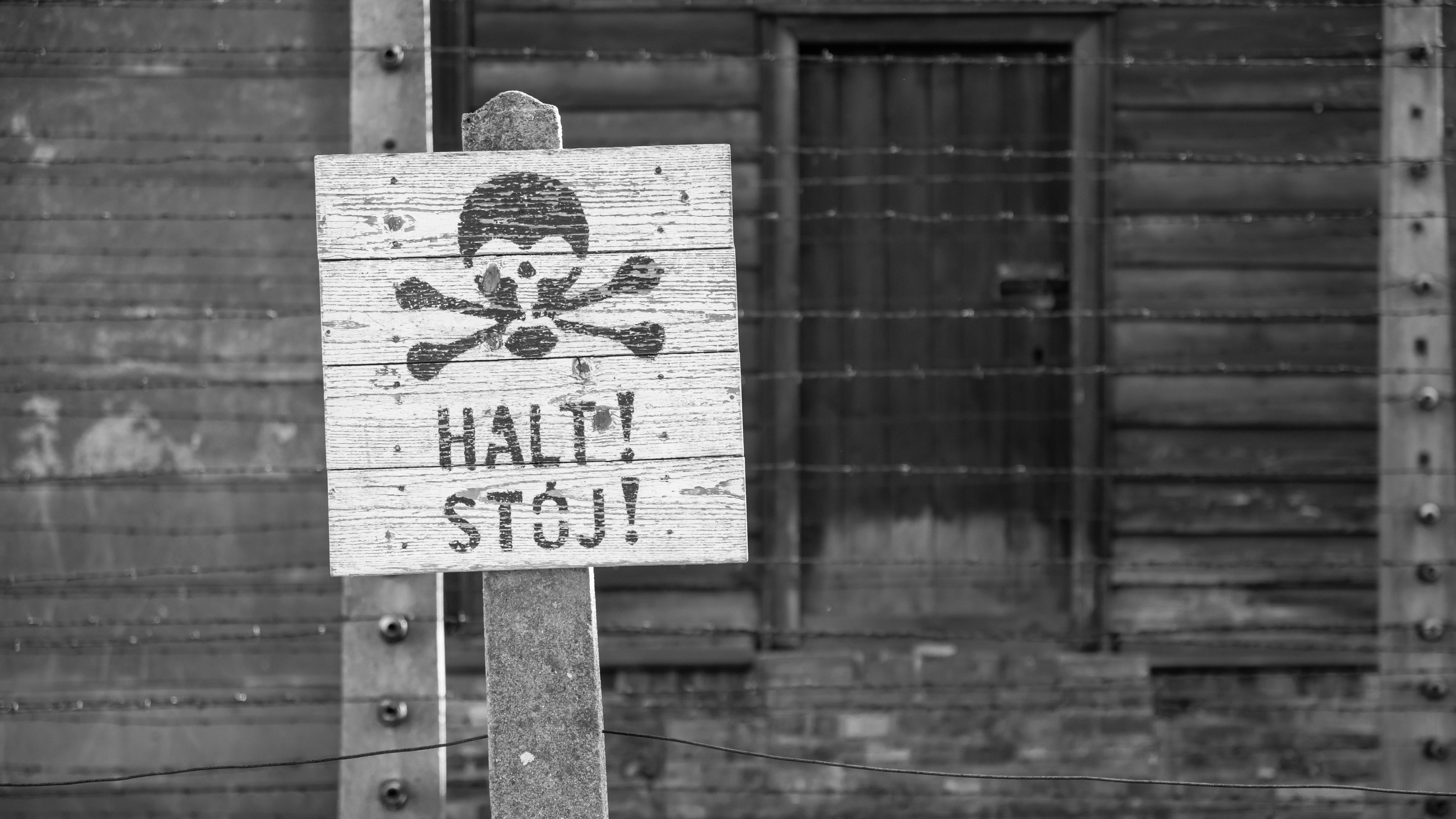
If you want to avoid repeating history, you can’t just study outcomes or the sanitized summaries in textbooks.
You have to study how people justified themselves while it was happening.
Thanks for reading! This information was based on a report originally published by A Midwestern Doctor. Key details were streamlined and editorialized for clarity and impact. Read the original report here.
Data and Dehumanization in the Modern Era
For a deeper dive into what modern medicine has overlooked—or intentionally buried—check out these other eye-opening reports by A Midwestern Doctor:
The Great Alzheimer’s Scam and The Proven Cures They’ve Buried for Billions
The Worst Vaccine Disaster Before COVID
What They Don’t Tell You About C-Sections
While you’re at it, give A Midwestern Doctor a follow. No one brings more research, clinical insight, or historical context when it comes to exposing the health myths we’ve all been fed. This is easily one of the most valuable accounts you’ll ever follow.

If you haven’t subscribed to this Substack yet, take a moment to read what some of the most powerful voices in the medical freedom/truth movement have to say:
“The Vigilant Fox has been putting in a lot of work to create a news platform that shares the stories we want to hear about and brings attention to the most important things to know about.”
– A Midwestern Doctor, The Forgotten Side of Medicine
“The Vigilant Fox absolutely is on top of things. We must support our fighters, and the Fox is fighting with truth.”
– Tom Renz, Tom Renz’s Newsletter
“Excellent capture of key video presentations on evolving pandemic science.”
– Peter A. McCullough, MD, MPH, FOCAL POINTS (Courageous Discourse)

Barry Young, modern day hero.
We talk - we blog - we pontificate and Fraudchi and the Convid cabal walks freely. Shameful!