


The following information is based on a report originally published by A Midwestern Doctor. Key details have been streamlined and editorialized for clarity and impact. Read the original report here.
One of the greatest neurosurgeons in history once said MORE THAN HALF of the information in medical textbooks today is DEAD WRONG, “and we know it.”
The impact this has on human health, he warned, is “incalculable.”
The real crisis isn’t that medicine gets things wrong. It’s that so many highly trained professionals can’t see it happening.
And this blindness isn’t limited to medicine. You’ve probably seen it yourself.
Think about a conversation where you carefully laid out a mountain of evidence showing why the other person was wrong.
The facts were clear. The evidence was overwhelming. And yet, they still wouldn’t budge.
Here’s why.
Most people believe they see reality clearly.
But they don’t.
They see a version of reality filtered by fear, incentives, experience, group identity, and information overload. Once those filters lock in, even overwhelming evidence can pass right through without registering.
That breakdown in perception explains why society keeps walking straight into disasters it can’t seem to recognize until it’s too late.

History shows a strange and uncomfortable pattern.
Two groups can look at the same facts, reach opposite conclusions, and both be absolutely convinced the other side is delusional. When that happens, at least one group, sometimes even both, is failing to perceive something critical.
Not because the evidence isn’t there, but because their mind is no longer capable of seeing it.

This information comes from the work of medical researcher A Midwestern Doctor. For all the sources and details, read the full report below.
Seeing Truth in the Age of Information Overload

This failure becomes very dangerous inside institutions that claim authority over truth.
And medicine is a prime example.
When public health bodies quietly reconsidered long-standing vaccine policies, the response wasn’t a calm exchange with facts and supporting evidence. It was panic, outrage, and punishment of anyone associated with the change.
That reaction revealed that this was something far deeper than a policy disagreement.
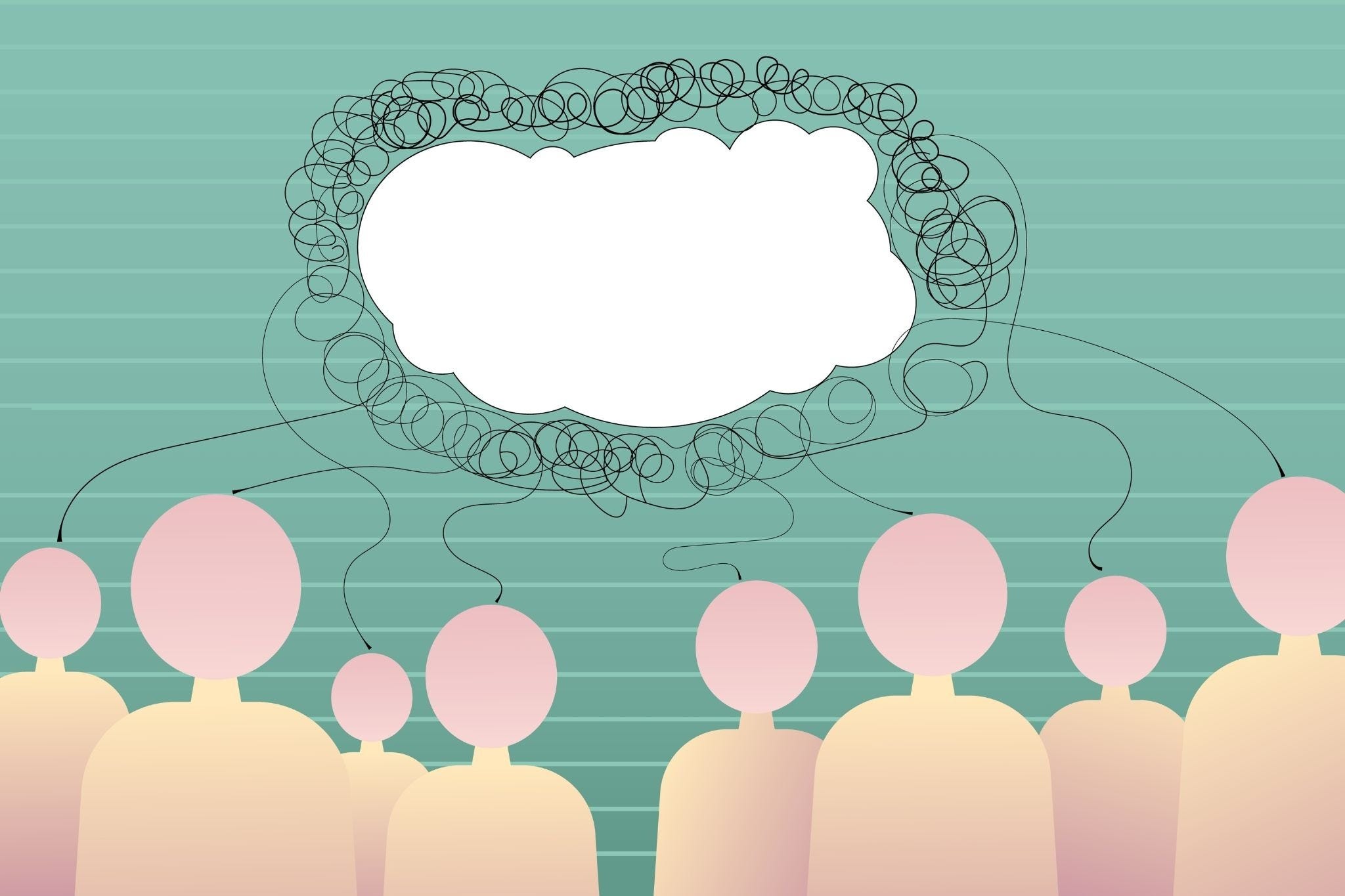
Doctors fixated on extremely rare hypothetical risks while dismissing far more common reports of harm.
Not because they were cruel or corrupt but because they had already been conditioned to just not see the harm.
Once a professional worldview hardens, contradictory evidence doesn’t feel like data. It feels like a threat.
And so a threat is what’s responded to.

Don’t miss the full breakdown of why modern medicine can miss obvious harm even when it’s happening in real time, and why that blindness is structural, not accidental.
Seeing Truth in the Age of Information Overload
This pattern isn’t limited to medicine.
It’s actually how the human mind copes when reality becomes too complex.
When information exceeds our ability to process it, the brain doesn’t rise to the challenge. It simplifies, defers to authority, and clings to narratives that reduce discomfort.
It all gives way to filters.

Those filters are real neurological mechanisms.
The brain prioritizes information it deems “valuable” and skips over the rest. Once a belief is installed, confirming evidence stands out while contradictions fade into the background.
That’s how people can live inside entirely different realities while sharing the same world.
We often refer to the concept as confirmation bias, but that phrase is often used as though the one experiencing it has a choice. This filtering is just the way our human minds work.
This explains why discussions can feel—and be—impossible.
You’re not debating facts. You’re talking past someone whose brain is literally highlighting different information than yours.
Each side feels sane. Each side feels justified. Each side feels the other is blind.
And it will always turn into an argument.
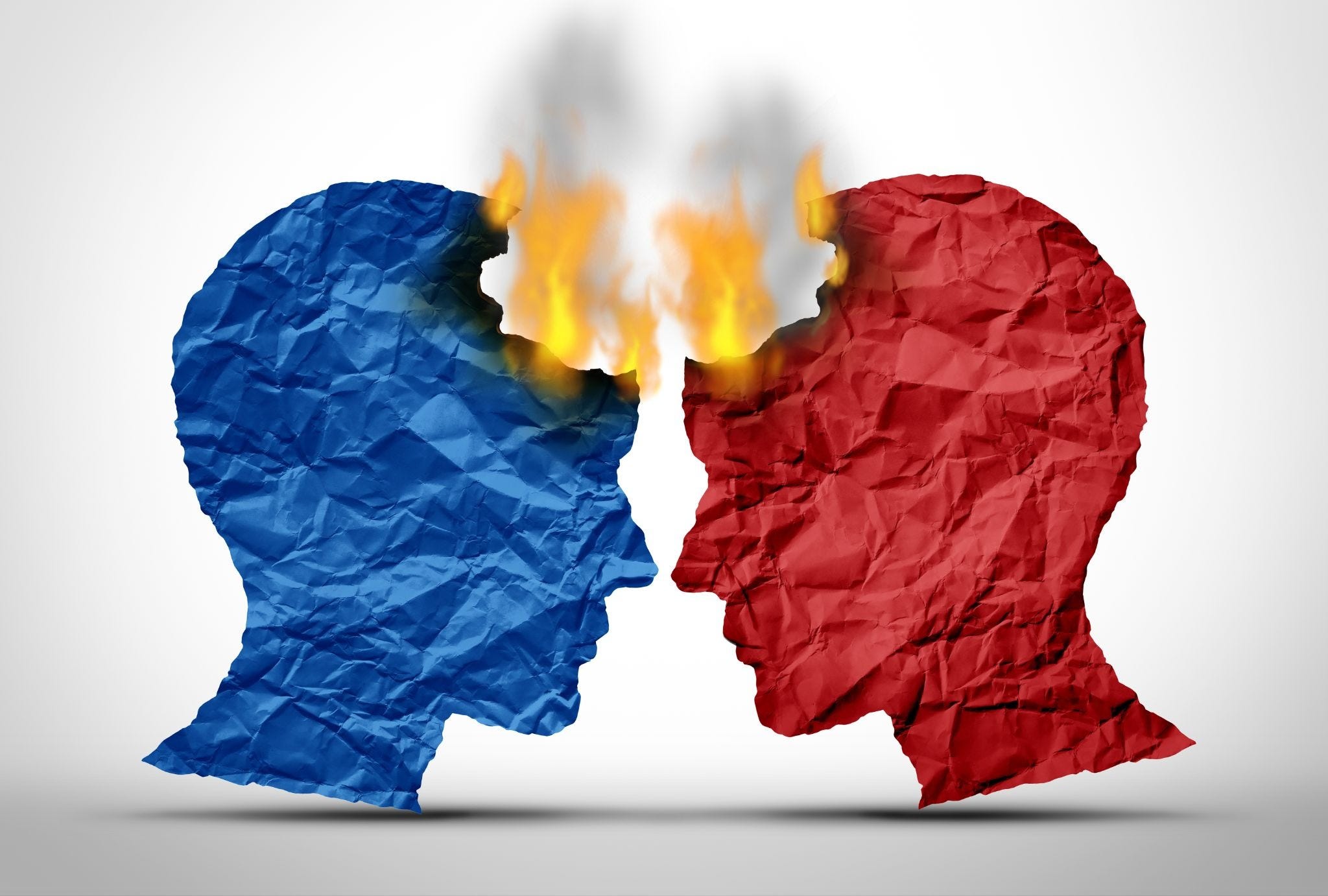
COVID exposed the gravity of this process.
Entire professions adopted media narratives without independently reviewing data. Injuries were dismissed reflexively. Asking questions became taboo.
Not because evidence was absent. But because the filters were already set before the evidence arrived.
It turns out evidence wasn’t even needed.

Learn exactly why COVID shattered trust in institutions, fractured families, and revealed how easily perception can be hijacked once fear and authority prime the mind in this report from A Midwestern Doctor.
Seeing Truth in the Age of Information Overload
Medical gaslighting fits perfectly into this framework.
Patients report harm, but doctors can’t see it.
Not out of malice, but because their diagnostic filters were never built to recognize pharmaceutical injury. Ever.
When symptoms don’t fit approved categories, they’re reclassified as psychological rather than iatrogenic. Or they’re blamed on something else entirely.

This is why dissenting doctors are always punished.
Medicine behaves like a belief system. Those who challenge its core assumptions are treated as heretics, regardless of competence or intent.
Mid-career dissent is especially dangerous. Speak too early, and your career is over.

Ironically, the doctors patients need most are often the ones who are forced out for asking questions, thinking outside of the box, or actually trying to heal people.
They’re the ones willing to tolerate ambiguity, see subtle patterns, and question assumptions. Those traits are liabilities in bureaucratic systems, but lifesaving in complex human biology.

This same dynamic drives media polarization.
Modern media primes filters, then feeds specific audiences only information that reinforces them. Nothing else.
Repetition creates emotional certainty, even when claims collapse later.
That’s how families and friendships are torn apart, not by facts, but by incompatible perceptual worlds.
Two neighbors can live in completely different realities.
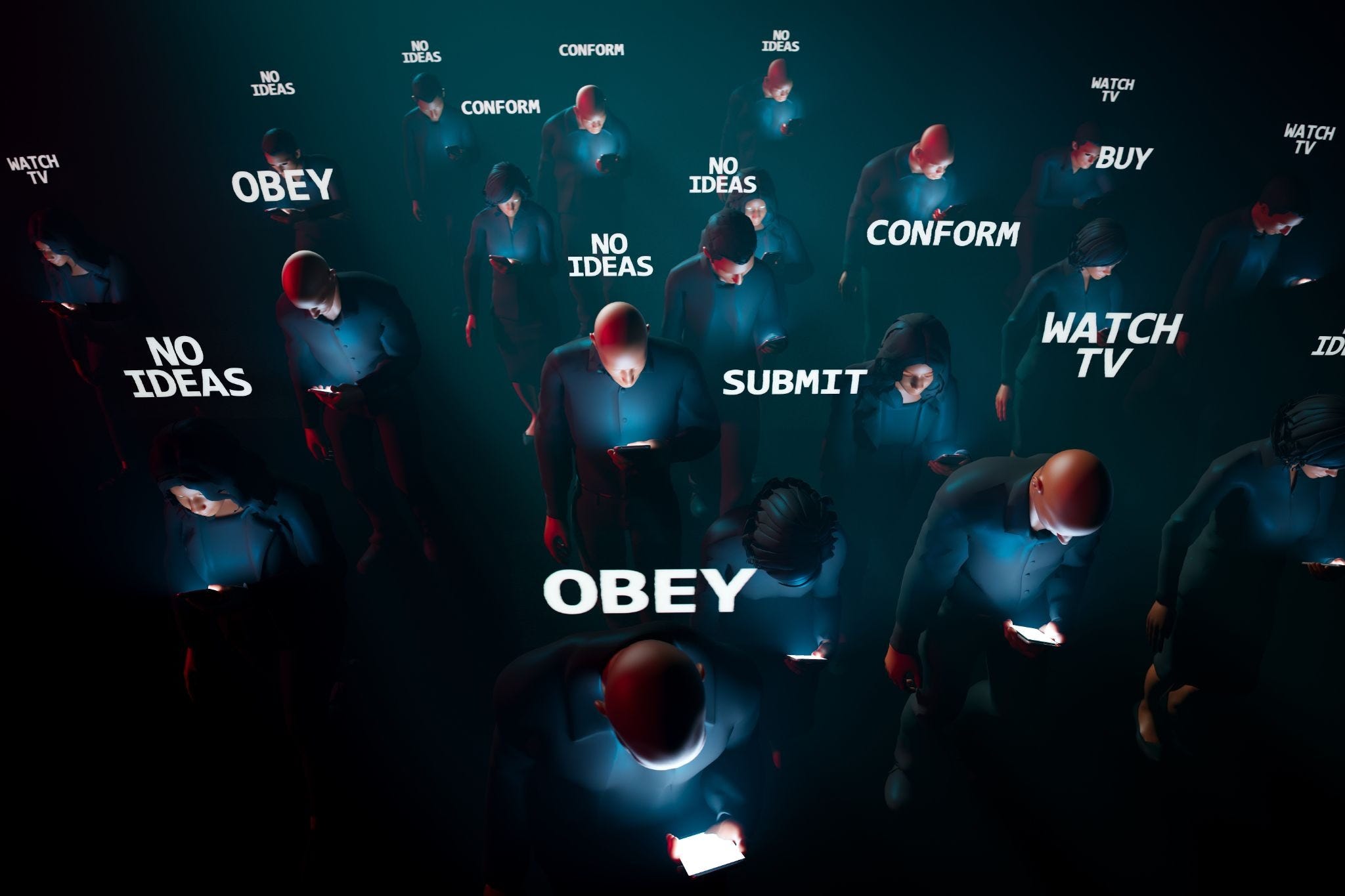
The most unsettling insight from A Midwestern Doctor’s report isn’t political or medical. It’s how modern life quietly trains people to lose the ability to think in nuance at all.
Seeing Truth in the Age of Information Overload
Simplistic truths dominate because they’re easy.
They require no endurance, no uncertainty, no mental strain. Nuanced ideas demand holding multiple premises at once, something many people no longer have the attention span to do.
When nuance threatens identity, the mind contracts and attacks fragments instead.

Truth-seeking isn’t about collecting more information.
It’s about expanding your capacity to remain present with complexity without collapsing into certainty or denial.
That capacity is rare. And in a hyper-digital world, it’s becoming rarer by the year.
But it is so important. We must always remain open to new information and ideas, to have conversations, and to shifting our beliefs based on evidence.
Ethical thinking requires restraint.
Acting on an idea personally requires less certainty than promoting it to others. Broadcasting beliefs without humility spreads errors faster than truth.
Certainty feels powerful. But humility keeps you accurate.
And we need accuracy now more than ever.

Here are some practical principles to navigate information overload:
Learn to identify what actually matters.
Understand bias without dismissing sources.
Stop consuming repetitive content.
Drill down to core mechanisms.
Ask whether evidence truly supports claims.
Most importantly, train yourself to tolerate ambiguity.
It’s ok if you don’t know the answer.

The crisis of our era isn’t misinformation, it’s perceptual collapse.
As algorithms, automation, and authority replace presence and discernment, humans are losing the ability to see what’s right in front of them.
We’re teetering on the edge of a cliff.
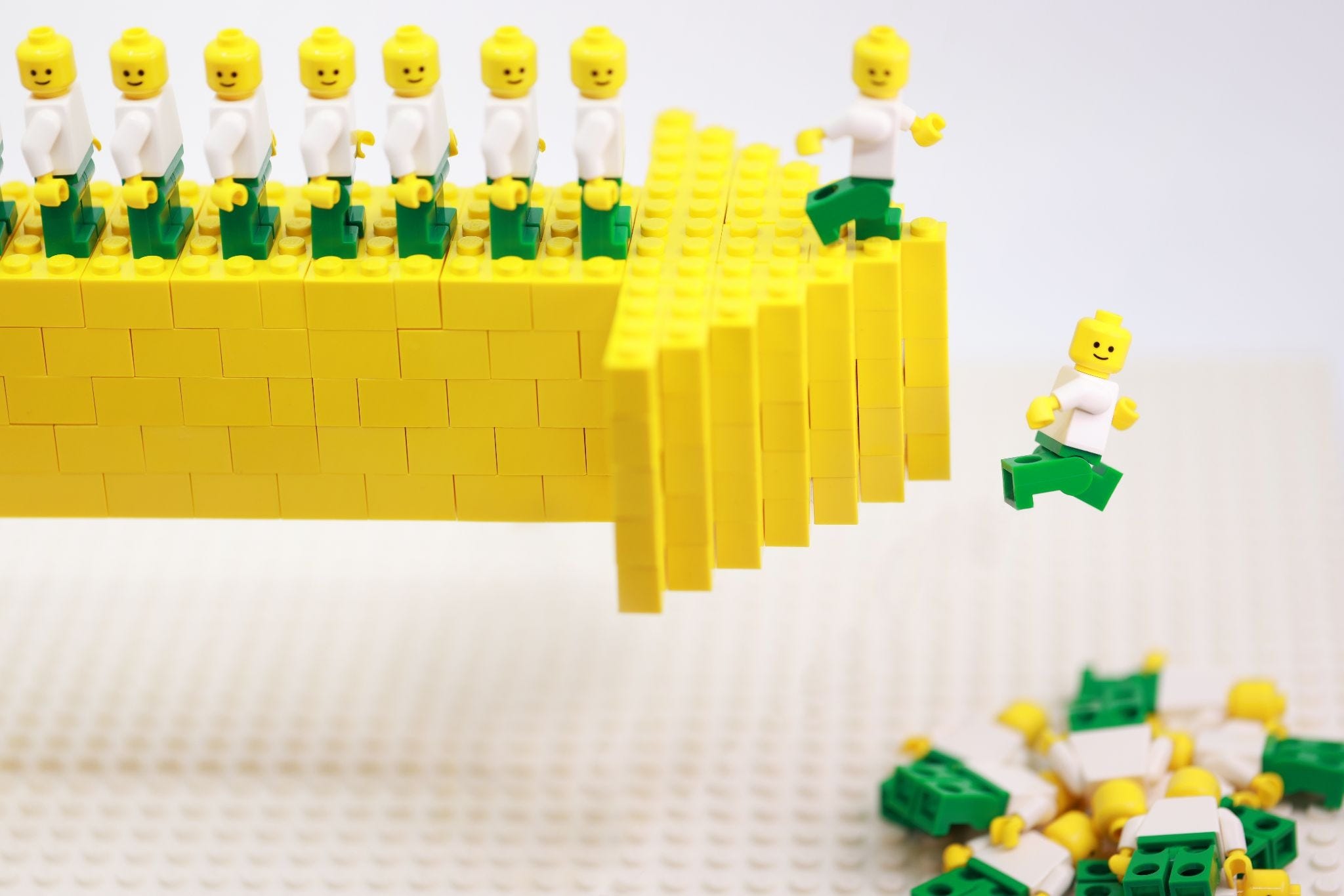
Truth doesn’t disappear. Our capacity to perceive it does.
A society that can’t tolerate nuance can’t solve complex problems.
The challenge of our time isn’t finding more information, it’s rebuilding the human capacity to stay present with complexity, uncertainty, and uncomfortable evidence without shutting down.
That skill may very well decide everything that comes next.

Thanks for reading! This information was based on a report originally published by A Midwestern Doctor. Key details were streamlined and editorialized for clarity and impact. Read the original report here.
Seeing Truth in the Age of Information Overload
For a deeper dive into what modern medicine has overlooked—or intentionally buried—check out these other eye-opening reports by A Midwestern Doctor:
Why Do So Many People Get Sick After the Flu Shot?
The Alzheimer’s Lie That Made Big Pharma Billions
What’s The Healthiest Water To Drink?
While you’re at it, give A Midwestern Doctor a follow. No one brings more research, clinical insight, or historical context when it comes to exposing the health myths we’ve all been fed. This is easily one of the most valuable accounts you’ll ever follow.

If you haven’t subscribed to this Substack yet, take a moment to read what some of the most powerful voices in the medical freedom/truth movement have to say:
“The Vigilant Fox has been putting in a lot of work to create a news platform that shares the stories we want to hear about and brings attention to the most important things to know about.”
– A Midwestern Doctor, The Forgotten Side of Medicine
“The Vigilant Fox absolutely is on top of things. We must support our fighters, and the Fox is fighting with truth.”
– Tom Renz, Tom Renz’s Newsletter
“Excellent capture of key video presentations on evolving pandemic science.”
– Peter A. McCullough, MD, MPH, FOCAL POINTS (Courageous Discourse)

'Smart" cities and 'smart' meters sell b/c people want to be smart. Better to be wise:
https://romanshapoval.substack.com/p/smartmeterfires
Make debate great again.
It’s a lost art today as nobody wants to listen and consider the evidence.
How can a judge or jury even be legitimate in today’s world???
More proof that mankind is devolving and evolution was clearly a lie. Doesn’t the law of entropy (2nd law of thermodynamics) prove it…