


The following information is based on a report originally published by A Midwestern Doctor. Key details have been streamlined and editorialized for clarity and impact. Read the original report here.
There’s something genuinely amazing about watching Donald Trump operate under pressure that visibly ages almost everyone else.
“He’s a genuine freak. There’s no one like that guy.”
Joe Rogan says Obama aged “50 years” after his two terms, but he laughed when he said Trump “looks younger.”
“It really is astounding… He’s a freak,” Rogan marveled. “Which is the only reason why he survived all the shit they tried to put him through. It’s the same reason why he can go through being president, and it doesn’t freak him out.”
Billionaire entrepreneur Palmer Luckey added that Trump’s “got that old man no-sleep power without getting all of the downsides,” confirming that the rumors he gets just four hours of sleep a night are TRUE.
If we were all built like Donald Trump, America’s health would be in incredible shape. But most people aren’t “genuine freaks,” and for them, living this way comes at a cost.
Here’s what living under extreme pressure does to the body, and why only rare outliers (like Trump) can handle it.
We’re taught from an early age that success comes from grinding harder, pushing through exhaustion, stacking credentials, and chasing the next milestone—no matter the cost.
But if you step back and really look at how people live, a disturbing pattern emerges.
Far too many people sacrifice their health to build (or chase) wealth, only to later spend everything they have trying to regain what they lost.
But by then, it’s usually too late.

Interestingly, this pattern doesn’t disappear once someone “makes it.”
Even people with immense wealth often cycle through elite doctors, advanced treatments, and endlessly complex medical interventions without meaningful improvement.
The reason isn’t a lack of technology or effort. It’s that modern medicine isn’t designed to address root causes.
It treats symptoms, manages damage, and monetizes dysfunction rather than resolving it.
What if we slowed down, changed focus, and didn’t run our health in the ground trying to chase “success”?

We live in a marketing-driven society that constantly pushes people to focus on what they don’t have.
More status.
More validation.
More ideological certainty.
More… things.
But when health is seriously threatened, that entire framework collapses.
Abstract achievements lose meaning, and people care about basic things they once took for granted, like clear thinking, movement, and connection.
This information comes from the work of medical researcher A Midwestern Doctor. For all the sources and details, read the full report below.
Gratitude, Natural Medicine and the Art of Memorization

Serious illness has a way of reordering priorities faster than any motivational book or podcast ever could.
When the body falters, the illusion of control fades. What remains is a raw understanding of what actually sustains life.
Health isn’t just another box to check off in life.
It’s the foundation everything else quietly rests on, whether or not we acknowledge.
One of the most damaging aspects of recent years wasn’t fear itself, but enforced separation.
Human connection was reframed as a threat, despite very weak scientific justification. People were cut off from family, community, and physical presence.
What was lost wasn’t just social comfort.
It was nervous system regulation, emotional stability, and a sense of shared reality that keeps people grounded.
And unfortunately, these things didn’t just return to normal when restrictions were lifted.

When people interact face-to-face, we exchange far more than words and ideas.
There’s a biological and psychological synchronization that happens through presence alone. And physical touch takes it to a whole different level.
Removing in-person connection doesn’t just change moods, it alters stress responses, perception, and resilience.
Treating isolation as “protective” ignored a basic truth about human health that can’t ever be replaced by screens.

Now zoom out to how society sorts people.
Academic performance quietly determines who rises, who stagnates, and who gets access to opportunity.
But most students are never taught how to learn in a way that works for their minds and their bodies.
They’re trained to comply, struggle to memorize, and repeat. All while creativity and independent thought are slowly squeezed out.

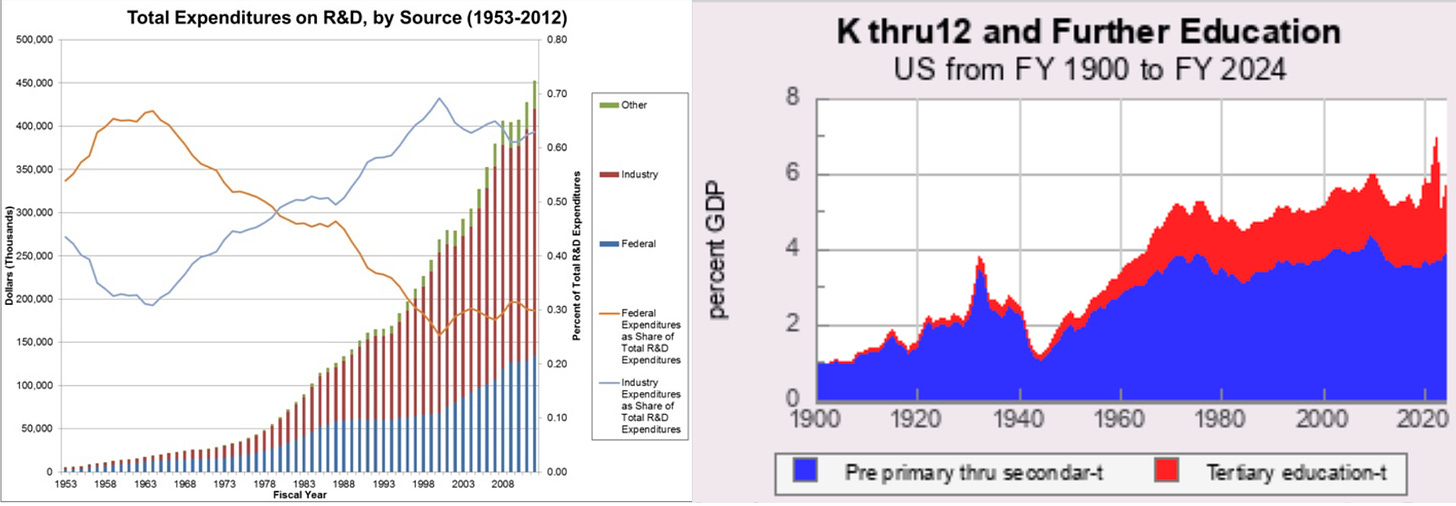
Despite pouring more money than ever into education, outcomes continue to decline.
Literacy rates continue to worsen.
Scientific innovation has slowed.
Institutions are struggling to produce capable leaders.
And history shows us that this isn’t random.
During periods of internal tension, education systems often shift toward stabilizing conformity rather than cultivating critical thinkers who might challenge the status quo.
Education rewards obedience over understanding. That’s one reason why outcomes keep falling.
But you can take control of how you learn, whether or not you’re in middle school or a student in the school of life.
A Midwestern Doctor explains how in the full article.
Gratitude, Natural Medicine and the Art of Memorization
At the center of academic success sits one core skill.
It’s not intelligence.
It’s not curiosity.
And it’s not wisdom.
It’s memorization.
Students are pressured at all levels to spend more hours studying and less hours sleeping. They’re pressured to sacrifice their health to keep up with the one-size-fits-all plan someone administrator came up with.
Ironically, that pressure makes learning dramatically less efficient, leaving them exhausted while retaining far less than they expect.

Real learning works differently.
The brain remembers information best when it’s understood, connected, and placed within proper context.
Meaning creates memory.
Yet most education floods students with disconnected facts, offering little explanation for why the information matters or how it fits together.
The result is shallow recall that collapses under pressure. Memorizing for the sake of memorizing doesn’t last.

Medical education pushes this dynamic to an extreme. And it’s probably by design.
Students are overwhelmed with enormous volumes of information while being discouraged from questioning it.
Hierarchy replaces curiosity, and obedience becomes the safest strategy.
Over time, this creates deep psychological investment in the system itself, making it emotionally costly to examine contradictions later on, if the mental space for it even exists.

Students of all kinds sense that something doesn’t add up.
But for med students especially, holding multiple frameworks in mind requires space, energy, and flexibility that they just don’t have the farther along they go in their education.
When success depends on flawlessly presenting the orthodox model, there’s little room left to explore alternatives, even if those alternatives once made sense or even produced results.
Unfortunately, earlier insights tend to quietly fade.

Most students study longer and learn less, and it has nothing to do with intelligence or effort. A Midwestern Doctor’s explanation will change how you see education.
Gratitude, Natural Medicine and the Art of Memorization
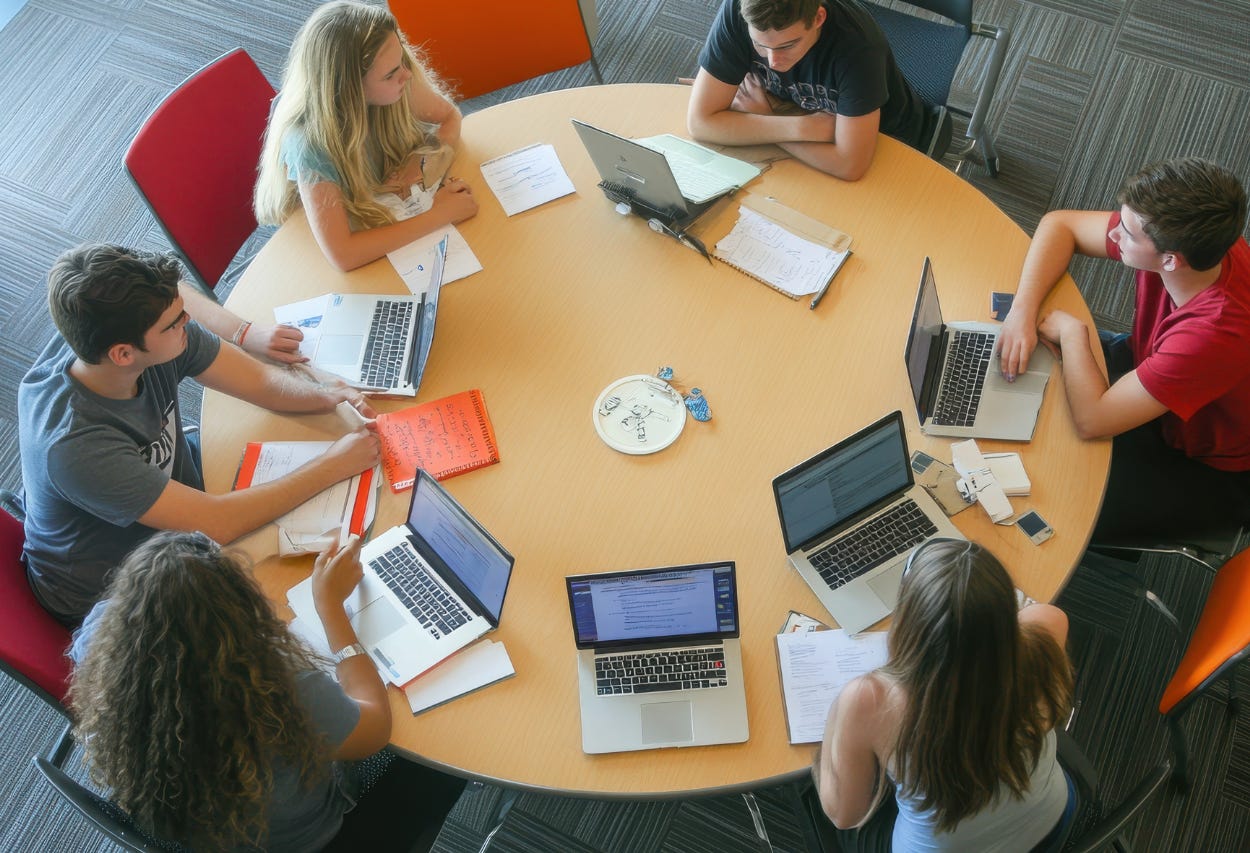
Learning efficiency depends on far more than simply time spent studying.
Everything matters. Environment, lighting, sound, and even posture.
Students who actively notice what they don’t understand and deliberately repair weak connections retain far more than those who passively reread material and hope it sticks.
Engagement consistently outperforms repetition.
And the state of the body plays an incredibly important role.
When the nervous system becomes overloaded, retention collapses.
Taking breaks to move, breathe, or rest often restores clarity faster than pushing through fatigue.
Yet many students rely on stimulants like caffeine and junk food to override exhaustion, trading short-term output for long-term cognitive cost.
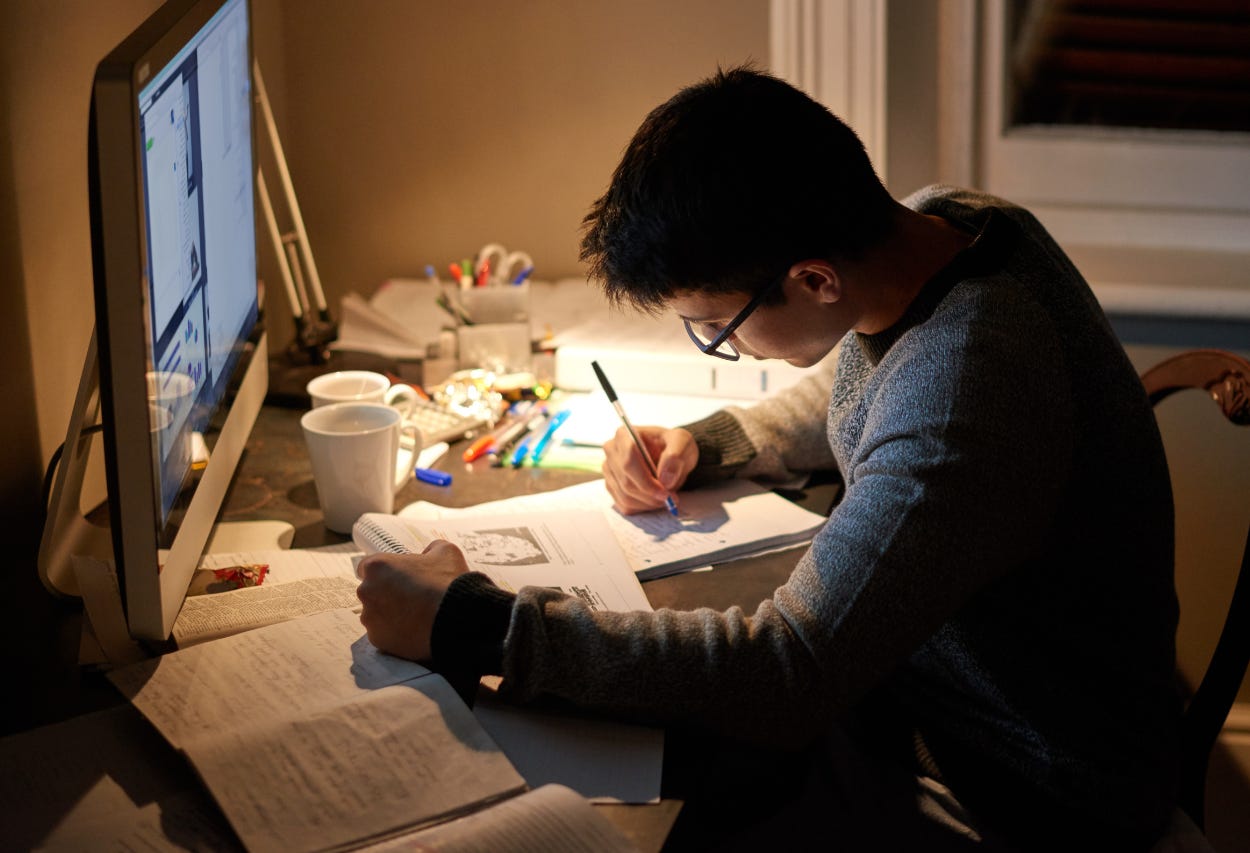
Even diet influences cognition.
Inflammatory foods cloud thinking, reduce focus, and impair recall, while clean nutrition supports mental stamina.
Yet during high-pressure periods, junk food becomes the norm.
Students respond by studying longer, not realizing their biology is actively working against them.

Poor posture can sabotage learning.
Prolonged sitting tightens the neck, restricts circulation, and gradually congests the brain.
The resulting fog and headaches often appear subtly, so warning signs are ignored until performance collapses.
Movement restores flow far more effectively than forcing another hour of study.

Student or not, fluid circulation plays a central role in cognitive health.
When blood flow and lymphatic drainage are impaired, thinking becomes cloudy and emotional regulation weakens, too.
Over time, this contributes to anxiety, depression, and cognitive decline, especially in sedentary, over-stressed environments.
Movement is key.

Did you know something as simple as physical activity repeatedly outperforms medications for mild-to-moderate depression and anxiety?
That’s huge! Yet movement is rarely emphasized as foundational.
Instead, symptoms are treated in isolation, one prescription at a time, while the underlying dysfunction remains untouched.
The system manages damage rather than restoring function.

The same habits that improve your memory today may protect your brain decades later. You don’t want to miss this important info.
Gratitude, Natural Medicine and the Art of Memorization
And sleep ties everything together.
Memory consolidation happens during deep sleep. Learning without deep sleep is like pouring water into a leaking bucket.
Yet basic sleep hygiene is rarely taught, and some professions normalize extreme deprivation under the belief it builds competence.
In reality, it impairs learning and increases catastrophic errors.
When you step back and look at the big picture, you can’t miss the pattern.
Many chronic conditions aren’t separate diseases. They’re different expressions of the same underlying breakdown, including impaired circulation, nervous system overload, and metabolic dysfunction.
Treating symptoms individually misses the bigger picture entirely.
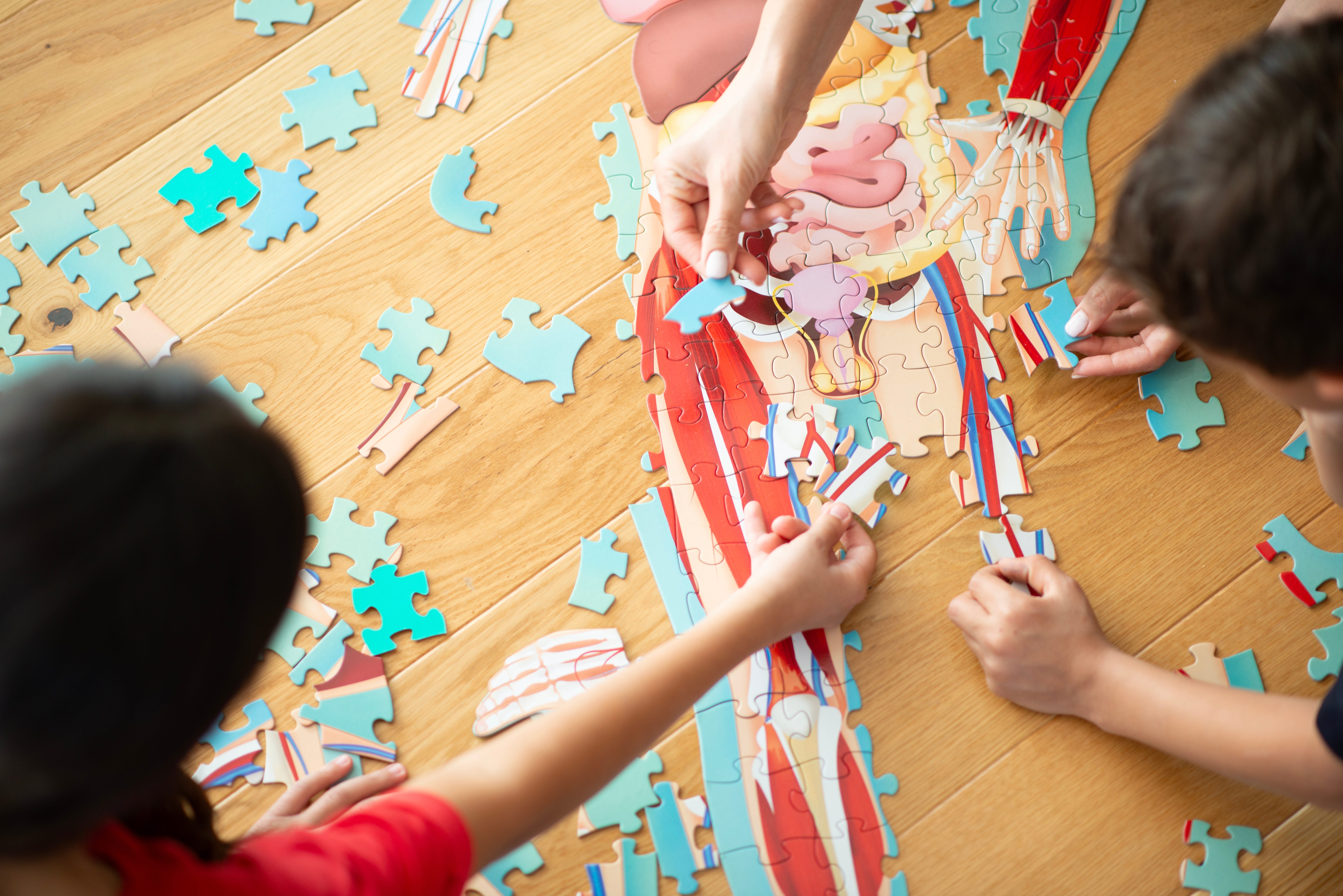
The habits that support learning and mental clarity early in life are the same ones that protect the brain later on.
And it’s not complicated.
Movement.
Sleep.
Nutrition.
Human connection.
A clear mind isn’t just an academic advantage—it’s the foundation of a life that’s lived, not merely endured.
It’s time to stop normalizing the grind and everything that goes along with it, and start living (and learning).

Thanks for reading! This information was based on a report originally published by A Midwestern Doctor. Key details were streamlined and editorialized for clarity and impact. Read the original report here.
Gratitude, Natural Medicine and the Art of Memorization
For a deeper dive into what modern medicine has overlooked—or intentionally buried—check out these other eye-opening reports by A Midwestern Doctor:
The Great Cholesterol Scam and The Dangers of Statins
The Great Alzheimer’s Scam and The Proven Cures They’ve Buried for Billions
What They Don’t Tell You About C-Sections
While you’re at it, give A Midwestern Doctor a follow. No one brings more research, clinical insight, or historical context when it comes to exposing the health myths we’ve all been fed. This is easily one of the most valuable accounts you’ll ever follow.

If you haven’t subscribed to this Substack yet, take a moment to read what some of the most powerful voices in the medical freedom/truth movement have to say:
“The Vigilant Fox has been putting in a lot of work to create a news platform that shares the stories we want to hear about and brings attention to the most important things to know about.”
– A Midwestern Doctor, The Forgotten Side of Medicine
“The Vigilant Fox absolutely is on top of things. We must support our fighters, and the Fox is fighting with truth.”
– Tom Renz, Tom Renz’s Newsletter
“Excellent capture of key video presentations on evolving pandemic science.”
– Peter A. McCullough, MD, MPH, FOCAL POINTS (Courageous Discourse)

This is fantastic. I think the biggest difference between Trump and everyone else is that he chases goals. He is obsessed and hyper-focused on goals. He has the ultimate ADHD brain.
The body has a massive supply of resilience and growth, but the mindset is what decides how it will be used. Mind over matter is not just some random “quote”; it’s life.
Emulating President Donald Trump would have to begin in your youth, because his stamina and clarity of mind, must be preceded by a lifestyle free of the toxins many ingest via smoking, drinking alcohol, and taking illicit drugs. Requiring only four hours of sleep a day, and possessing the energy to withstand the pressures of a four year presidency, demands an exceptionally healthy body. As Joe Rogan says, it ages the average man by forty years, but Trump completes his term looking years younger, and all that while being battered by a continuous barrage of hate and persecution. He’s my president, even though I can’t keep up with him.