


The following information is based on a report originally published by A Midwestern Doctor. Key details have been streamlined and editorialized for clarity and impact. Read the original report here.
Tucker Carlson’s face said it all when Senator Ron Johnson revealed he CURED his acid reflux with hydrochloric acid—after years on Zantac, Prilosec, and Nexium.
The medical industry wants you to believe heartburn comes from too much acid.
Johnson discovered the opposite to be true. The real problem was not enough.
Once he started supplementing with betaine HCl, his symptoms disappeared. No more reflux. And he only remembers to take it half the time.
He says it worked better than anything doctors ever gave him.
Why? Because hydrochloric acid is exactly what your stomach is supposed to produce in the first place.
Sometimes the cure isn’t high-tech. It’s just common sense.
Most people think acid reflux is caused by too much stomach acid.
That assumption sounds logical. Acid burns. Reflux burns.
Therefore, it must be too much acid. Simple enough.
But physiology doesn’t actually work that way.
And the misunderstanding has quietly put millions of people on drugs that may be making the problem worse.

Here’s the part rarely explained during a clinic visit.
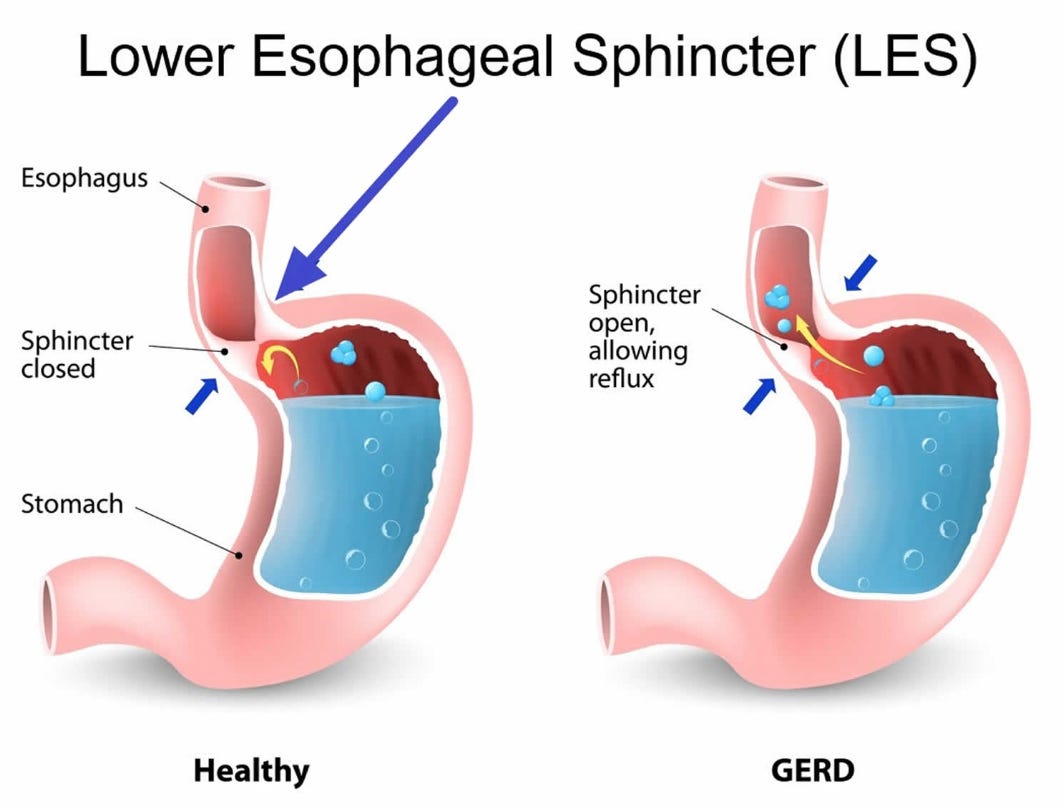
The lower esophageal sphincter—the muscular valve between your stomach and your throat—is pH-sensitive.
It is designed to close tightly when it detects sufficient acidity in the stomach.
If acid levels are too low, that signal is weak. The valve relaxes. And stomach contents drift upward.
That means reflux is often not an overflow of acid.
It’s a failure of the lower esophageal sphincter (LES) to close because the stomach isn’t acidic enough to trigger the closure reflex.
That single mechanism flips the entire narrative.
Because suppressing acid in that situation removes the very signal needed to fix the leak.
This information comes from the work of medical researcher A Midwestern Doctor. For all the sources and details, read the full report below.
Stomach Acid Is Vital For Health

This is where proton pump inhibitors—or PPI—enter the picture.
A single PPI dose can suppress most stomach acid production for an entire day.
Originally, they were approved for rare conditions like Zollinger–Ellison syndrome—true acid overproduction.
Short-term use. Four to eight weeks.
Instead, they became lifelong heartburn drugs.

And here’s what happens next.
If the LES only closes in response to sufficient acidity, and you suppress that acidity, the valve remains loose.
The moment even small amounts of acid return, they reflux upward.
That’s rebound GERD (gastroesophageal reflux disease).
Patients experience worse symptoms when they try to stop.
So they restart.
And the cycle continues.
Most doctors never measure stomach acid—and almost none know how to restore it safely.
The full article from A Midwestern Doctor includes the exact step-by-step HCl dosing protocol, PPI taper strategy, and when NOT to use it.
Stomach Acid Is Vital For Health
But reflux is just one piece.
Stomach acid performs multiple critical functions that are barely emphasized in medical training.
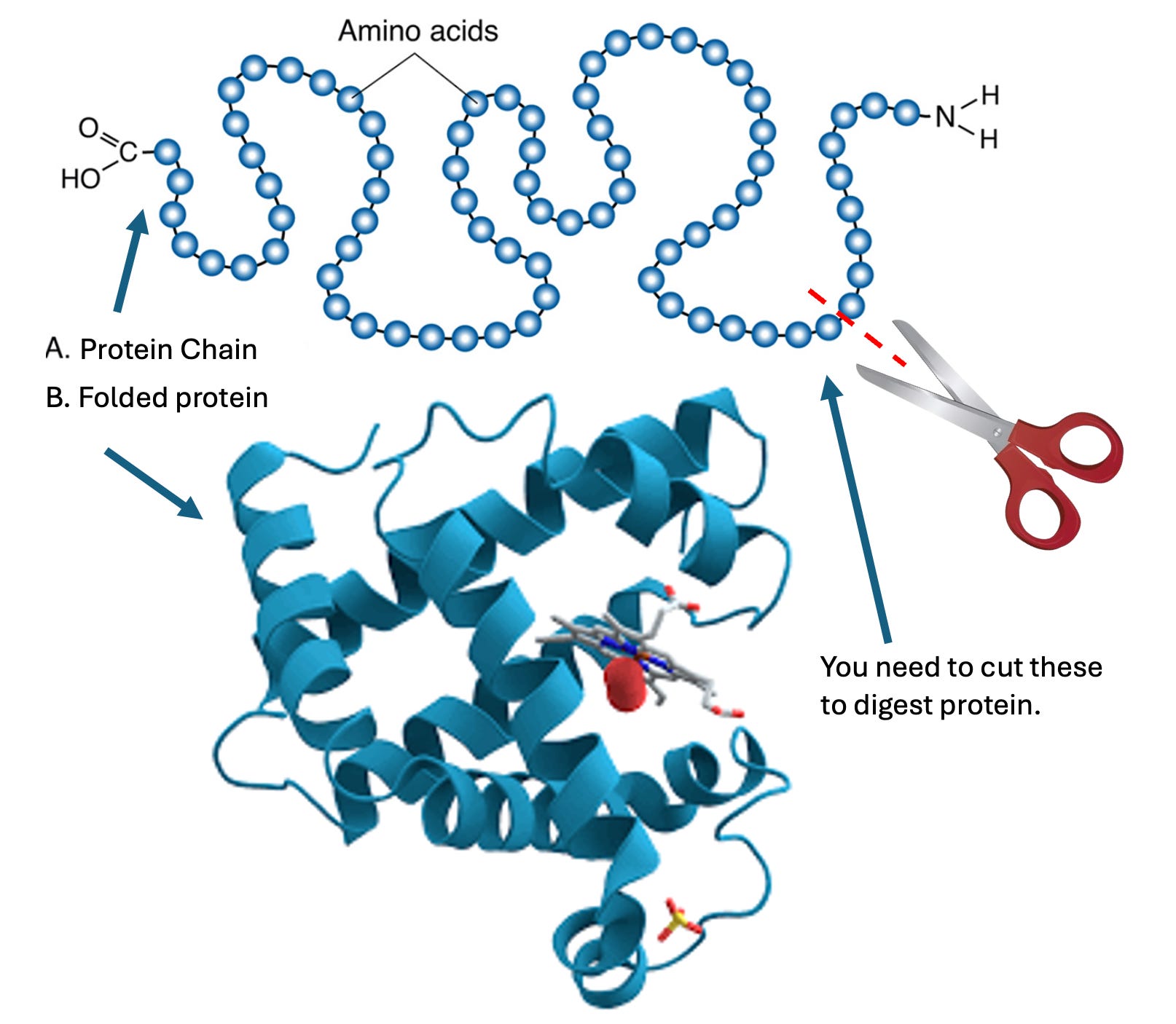
It activates pepsin—the enzyme that begins protein digestion.
Without sufficient acidity, long protein chains aren’t properly broken apart.
That means fewer amino acids absorbed.
And amino acids are the raw material for neurotransmitters, muscle repair, immune signaling, hormone production.
This isn’t minor digestion trivia—it’s foundational biology.
When proteins are not fully digested, fragments can pass through the intestinal barrier and provoke immune reactions.
Over time, that may contribute to food sensitivities and autoimmune activation.
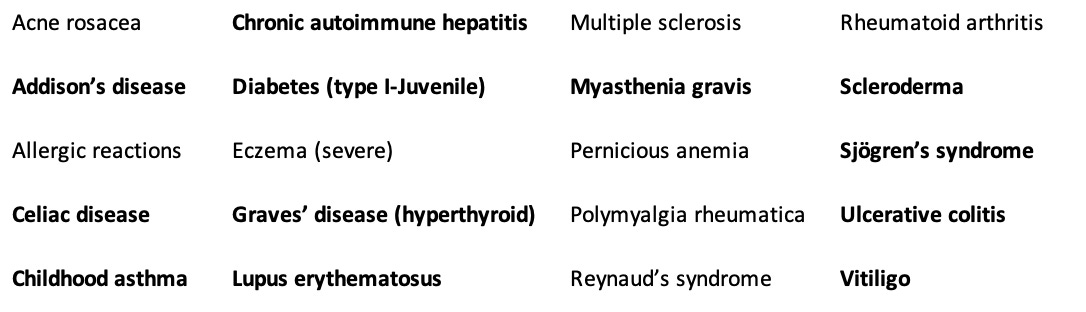
This is one reason low stomach acid has been repeatedly observed in patients with autoimmune disorders.
Not occasionally. Repeatedly.
Then there’s sterilization.
Stomach acid is the first line of defense against pathogens.
People on acid suppressing medications are about four times more likely to develop certain foodborne infections.
Hospitalized patients on acid blockers are significantly more likely to develop pneumonia.
In ventilated patients, one study found roughly double the pneumonia risk—and a 60% higher mortality from hospital-acquired pneumonia.
That’s not theoretical.

If stomach acid sterilizes what we swallow, what happens when you chemically remove it every day for years?
The infection data alone raises uncomfortable questions.
Stomach Acid Is Vital For Health
Mineral absorption is another overlooked piece.
Iron absorption can drop 50–67% with antacid use.
Calcium absorption improved five-fold in one study when stomach acidity was restored.
Magnesium, zinc, and other essential minerals also require an acidic environment to separate from food and become absorbable ions.
Suppress acid long enough, and deficiencies become predictable—not mysterious.

Vitamin B12 absorption depends on acid-mediated release from dietary proteins.
Low B12 is linked to neuropathy, fatigue, cognitive decline, and mood disorders.
Yet PPIs are most commonly prescribed to older adults—the same population already at risk for declining acid production and nutrient absorption.
That overlap is not trivial.

In 1931, a physician followed more than 200 children with asthma.
Over 80% had below-normal stomach acid secretion.
When given dilute hydrochloric acid, many improved dramatically—some fully resolving.
These findings were replicated by others in the early 20th century.
But inhalers and steroids became the dominant model. And the acid connection largely faded from memory.
Why?

Silent reflux adds another layer.
Not all reflux causes heartburn. Some patients develop chronic sore throat, post-nasal drip, ear pressure, chronic cough, sinus issues, even burning in the mouth.
ENT clinics see these symptoms daily.
Often the root cause is low-acid reflux irritating tissues that aren’t designed to handle even small amounts of stomach contents.

Heartburn is only the loud version.
Silent reflux may be driving asthma, sinus issues, chronic cough, and ENT complaints—without ever triggering classic burning pain.
The full report will change how you think about it.
Stomach Acid Is Vital For Health
Long-term PPI data has become harder to ignore.
Large observational studies have linked use to:
A 19% increase in overall mortality.
A 28% higher risk of major cardiac events.
A 74% increase in severe kidney disease—with a 142% higher mortality among those who develop it.
A 33% increase in dementia risk.
These are not subtle signals.

There are mechanical reflux fixes, specific herbal bitters, sauerkraut protocols, and even natural H. pylori strategies most patients are never told about.
Subscribe to A Midwestern Doctor for the full roadmap.
Stomach Acid Is Vital For Health
Meta-analyses reviewing millions of patients suggest roughly double the risk of stomach cancer with long-term use.
Risk of Clostridium difficile infection rises.
Community-acquired pneumonia increases.
In septic patients, mortality rates are higher.
Even COVID mortality was reported elevated among users.
When you line up the pattern, it’s difficult to call it benign.

And yet the drugs remain over-the-counter.
Which reinforces the perception that they’re harmless.
Immediate symptom relief is visible.
Long-term physiological disruption is not.
That’s how dependency normalizes.
Another irony: stomach acid production naturally declines with age—especially after 60.
GERD incidence increases with age.
But instead of asking whether acid deficiency might be driving reflux in older adults, the default assumption remains excess acid.

There are other contributors, of course.
Hiatal hernias increase abdominal pressure and can mechanically force reflux.
Certain medications—bronchodilators, calcium channel blockers, opioids—relax the LES.
Some foods irritate already inflamed tissue.
This isn’t a single-cause explanation. But acid deficiency is far more common than most realize.

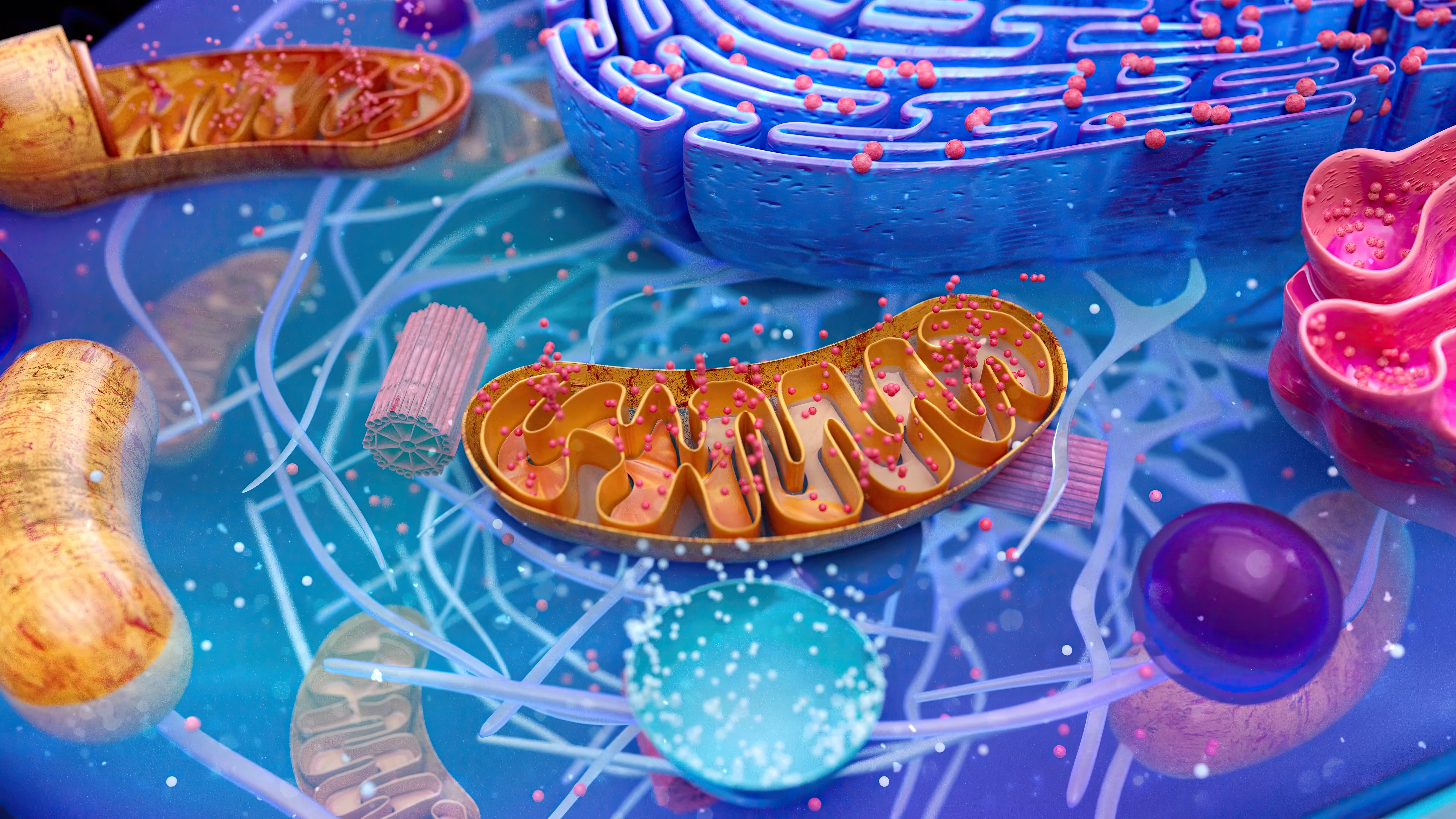
Stomach acid production is energy-intensive.
The cells that produce it are packed with mitochondria.
If mitochondrial function declines—as it often does in chronic illness—acid production can fall.
Autoimmune attack on acid-producing cells can also reduce output.
H. pylori infections decrease acid production.
Multiple pathways converge on deficiency.
If low stomach acid can impair protein digestion, nutrient absorption, immune defense, and valve closure all at once—what looks like separate diseases may share one upstream driver.
That possibility deserves attention.
Stomach Acid Is Vital For Health
There’s a broader pattern here.
1 - A symptom appears.
2 - A drug suppresses it quickly.
3 - The underlying physiology is left unaddressed.
4 - Over time, secondary consequences accumulate—and are treated with additional drugs.
5 - Polypharmacy expands.
In one deprescribing study of elderly patients, removing unnecessary medications reduced one-year mortality from 45% to 21%.

Stomach acid isn’t an evolutionary oversight. It’s actually metabolically expensive to produce.
If the body invests that much energy in generating hydrochloric acid from birth through midlife, it likely serves critical functions.
The more important question may not be how to eliminate it—but why we assumed it was expendable.
Heartburn feels simple.
The physiology underneath it is not.
And when a symptom becomes a lifetime prescription affecting infection risk, mineral status, cognitive health, kidney function, and cancer risk—it’s worth slowing down.
Sometimes the burn isn’t excess—it’s deficiency.
And that distinction changes the entire strategy.

Thanks for reading! This information was based on a report originally published by A Midwestern Doctor. Key details were streamlined and editorialized for clarity and impact. Read the original report here.
Stomach Acid Is Vital For Health
For a deeper dive into what modern medicine has overlooked—or intentionally buried—check out these other eye-opening reports by A Midwestern Doctor:
DMSO is a Miraculous Therapy for Chronic Pain and Musculoskeletal Injuries
The Great Alzheimer’s Scam and The Proven Cures They’ve Buried for Billions
The Unsettling Brain Impact of Screen Time in Kids
While you’re at it, give A Midwestern Doctor a follow. No one brings more research, clinical insight, or historical context when it comes to exposing the health myths we’ve all been fed. This is easily one of the most valuable accounts you’ll ever follow.

If you haven’t subscribed to this Substack yet, take a moment to read what some of the most powerful voices in the medical freedom/truth movement have to say:
“The Vigilant Fox has been putting in a lot of work to create a news platform that shares the stories we want to hear about and brings attention to the most important things to know about. If you want a daily newsfeed in alignment with our ...”
– A Midwestern Doctor, The Forgotten Side of Medicine
“The Vigilant Fox absolutely is on top of things. We must support our fighters, and the Fox is fighting with truth.”
– Tom Renz, Tom Renz’s Newsletter
“Excellent capture of key video presentations on evolving pandemic science.”
– Peter A. McCullough, MD, MPH, FOCAL POINTS (Courageous Discourse)

I've been through all of this.
While this may speed digestion, what I discovered, not from my doctor but from a sleep therapist, is that I had serious sleep apnea which initiated a gag response that caused my stomach to contract based on the perception of choking when the back of the tongue blocks the airway. Each time this happens the stomach pushes fluid into the esophagus (reflux) causing burning and damage. For the sleep therapist, this was common knowledge. For my doctor – he told me he had never heard of this! I tried a CPAP machine and it immediately stopped the reflux. I chose instead however to get accustomed to sleeping on my stomach and within less than two weeks the reflux disappeared and my esophagus began to heal!
For me, this was a Godsend revelation and I was concerned that I would end up with esophageal cancer as my father had and ultimately died from.
Jesus: “I am the Light of the world. Whoever follows Me will never walk in darkness, but will have the Light of Life!” John 8:12
Over 25 years ago, I bought a book called “4 Blood Types, 4 Diets, Eat Right 4 Your Type,” by Peter D’Adamo. It changed my life. The author and his father were naturopathic physicians with a fascinating history of time spent in European spas, watching some people thrive on the food and others crumble. It’s an amazing story of discovery, but the point I want to make here is that each blood type has certain food types that don’t process well for them. I’m a type O+ and I learned (in short) that wheat is a huge enemy for me because of the processing, but that most meats are restorative for my body. He tackles every food group. I stopped eating bread, cakes, cookies, etc. and all my acid reflux completely stopped. I was able to stop the Prilosec altogether. Now I can have the occasional cookie, or bread, but if I overdo it, I have to take a Prilosec tablet.
I wonder if research has investigated the correlation between blood types and acid reflux or whatever you want to call it. Because it may be as simple as taking certain foods out of your diet like the D’Adamos discovered decades ago.