


The following information is based on a report originally published by A Midwestern Doctor. Key details have been streamlined and editorialized for clarity and impact. Read the original report here.
Polio didn’t disappear the way you think it did.
Google why we no longer see crippled kids from polio. You’ll get one answer: vaccines.

But Dr. Suzanne Humphries says that’s not what the facts show—and when you dig into the history, the real story is jaw-dropping.
First off, polio never actually disappeared. “Polio is still here. Polio is still alive and well,” Humphries says.
What changed? The definition. Once the vaccine was introduced, the medical establishment redefined what counted as “polio.”
Humphries explains: “Polio is called different things today. Whereas back in the 1940s, 1950s, the criteria for diagnosing polio were completely different to the year that the vaccine was introduced. The playing field, the goalposts—everything was changed… they were able to show a complete cascading drop of paralytic polio simply because of the way they changed the definitions of what polio is and what could cause it.”
Suddenly, cases that would’ve been labeled polio were now called Guillain-Barré syndrome, coxsackievirus, echovirus—or simply chalked up to heavy metal poisoning. “They didn’t have virus, or they had coxsackievirus or echovirus, or they were lead poisoned or mercury poisoned, which was—the mercury and lead were the leading treatments of the day,” she said.
But it gets worse.
The rise of polio, she says, directly mirrored the use of toxic pesticides like DDT. “The tonnage of production of DDT absolutely mirrored the diagnosis for polio.” And even today, “the countries that still make DDT today is where we’re still seeing this paralytic polio situation happen.”
So what about the virus?
Polio virus, according to Humphries, is what’s known as a commensal—a normal virus that lives in most people without causing problems. In fact, “95 to 99% of all polio is asymptomatic.” She described a study of the Javante Indians where “98 to 99% of every person they tested… had evidence of immunity to all three strains of polio.”
When asked where all the paralyzed children were, she recalled: “They were like, ‘We don’t have any of that problem.’”
Humphries also points to a 1916 Rockefeller lab in Manhattan that, in her words, had “the specific stated goal… to try to create the most pathological, neuropathological strain of polio possible.” By injecting monkey brains and human spinal serum into monkeys, “there was a big problem with that, which was released into the public by accident. And the world experienced the worst polio epidemic on record. 25% mortality.”
Bottom line? According to Dr. Humphries, polio didn’t disappear because of vaccines. It disappeared behind a curtain of redefinitions, misdiagnoses, manmade disasters—and a whole lot of propaganda.
And if they went that far to deceive you about the polio vaccine, what else are they lying about?
Did you know the original smallpox vaccine caused serious injuries—and was often contaminated with pus, bacteria, and fungus?
We’ve been told it saved humanity from a deadly disease, but what if that’s a lie?
Dr. Suzanne Humphries explained to Joe Rogan what happened to children who received the vaccine. They developed large ulcers, high fevers, and widespread infections. With no antibiotics available, treatments were limited to mercury, arsenic, bloodletting, or isolation in dark rooms.
These severe reactions weren’t considered rare. In fact, they were referred to as “a good take.”
What made matters worse was how the vaccine was produced. According to Dr. Humphries, it was made by infecting animals and harvesting the resulting pus.
“They would take pus from other animals, scratch it into the belly of a cow, then take the pus off of the big pimples that would form,” she said. The material—called “pure lymph”—often came from cadavers, horses, or ulcerating cow udders, mixed with glycerin, and scratched into the surface of the skin.
Even decades later, contamination was an issue. “There was more bacteria and fungus in the smallpox vaccines than there was smallpox virus.” One widely used version, Dryvax, was eventually considered so problematic that health authorities ordered all remaining specimens destroyed around 2009.
Living conditions at the time were “a disaster.” Streets were filled with human and animal waste, there was no running water, and sanitation was nearly nonexistent. Poor hygiene and co-infections absolutely made smallpox far more deadly than it might have been otherwise.
Despite all this, the smallpox vaccine is still presented as a flawless triumph.
But for those who experienced the injuries firsthand, and for those who study its full history, the story isn’t so simple.
“This is the one vaccine that eliminated, eradicated a disease,” Dr. Humphries said sarcastically. “Can you believe that fairytale?”
We’ve all been taught that the smallpox vaccine was one of medicine’s greatest triumphs.
But when you read the actual clinical observations recorded by doctors who lived through its rollout, a far more unsettling picture emerges.
It’s not propaganda, and it’s not hindsight. It’s primary-source medicine.
And much of it was quietly buried.

This information comes from the work of medical researcher A Midwestern Doctor. For all the sources and details, read the full report below.
Early Clinical Observations on the Effects of Smallpox Vaccination

This history matters because modern medicine has a clear pattern. When outcomes contradict theory, those outcomes are dismissed. History is rewritten.
The early smallpox era left behind thousands of pages of observations—across multiple schools of medicine—describing chronic illness, loss of vitality, and long-term harm following vaccination.
Those records were never refuted. They were real. But they were forgotten.
And it wasn’t by accident.

To understand why, you need some historical context.
Before the early 1900s, medicine was not monolithic. The West actually had four dominant medical systems.
All of them legally recognized and widely practiced.
• Allopathy
• Osteopathy
• Homeopathy
• Naturopathy
Each observed the same patients—yet reached radically different conclusions.

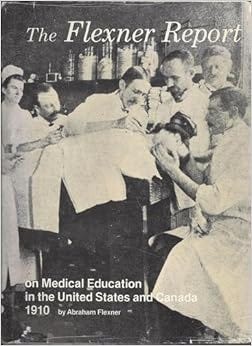
The Flexner Report (1910) changed everything.
Backed by industrial and pharmaceutical interests, it eliminated most non-allopathic schools, centralized medical authority, and locked medicine into a reductionist, intervention-heavy model.
From that point on, only one perspective was allowed to define “science.”
The others didn’t disappear because they failed. They disappeared because they were defunded.
Why does this matter in the smallpox story? Because every medical system except allopathy raised alarms about smallpox vaccination—early, consistently, and in detail.
All of them.
Not because of ideology, but because of clinical experience.
It wasn’t about debating theory… They were documenting what happened to real people after smallpox vaccination.
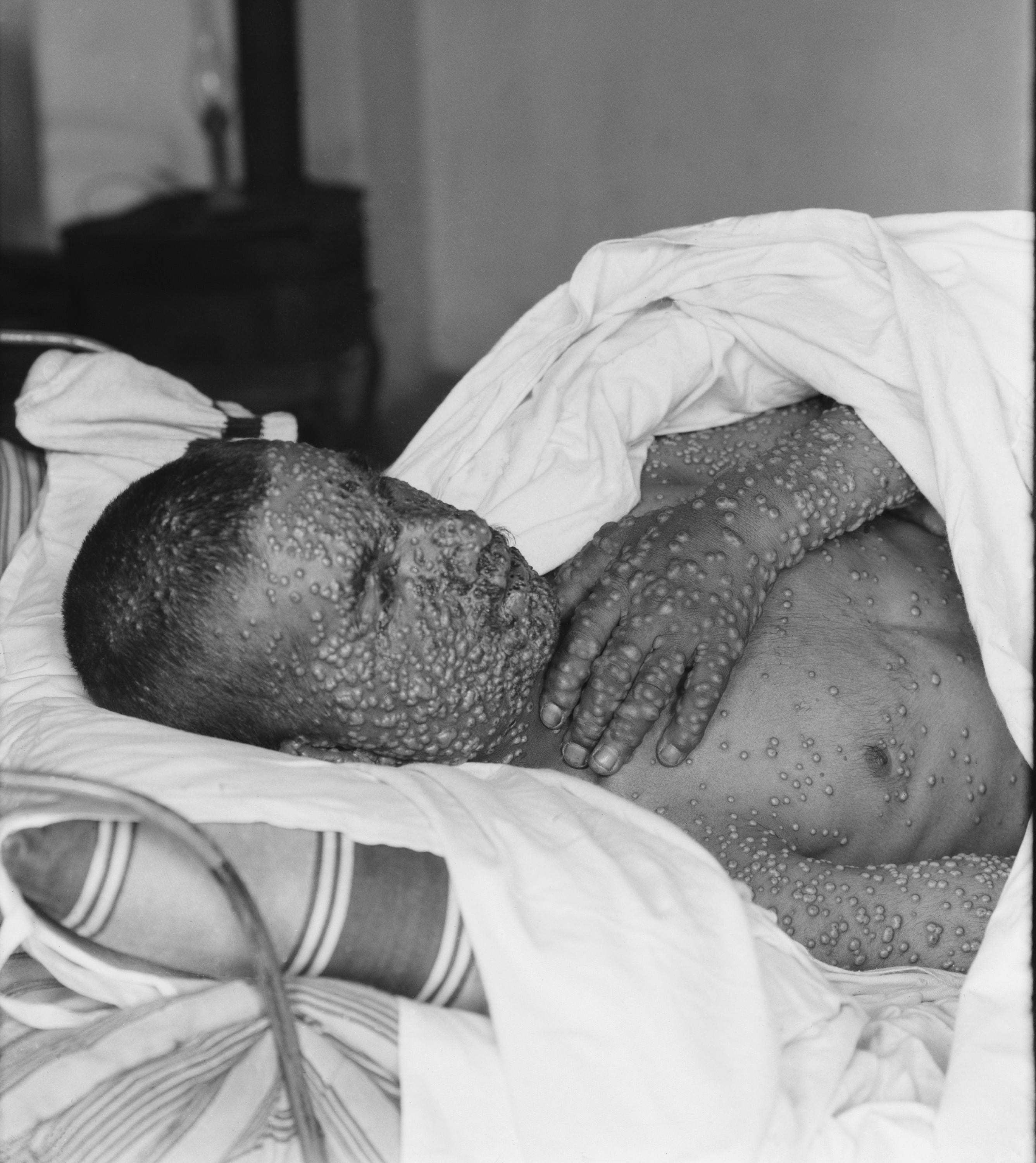
One of the earliest and most striking patterns observed was this:
As vaccination became widespread, acute infectious diseases declined, but chronic illnesses exploded.
Sounds familiar, doesn’t it?
A major increase in neurological disorders, autoimmune diseases, cancers, and degenerative conditions.
This wasn’t normal, and it still isn’t normal for humans to experience this level of chronic illness. Yet here we are.
Something happened and we owe it to all of humanity to expose it, and stop it.
It’s a population-level transition that began ~150–200 years ago, and it absolutely accelerated alongside mass medical interventions.
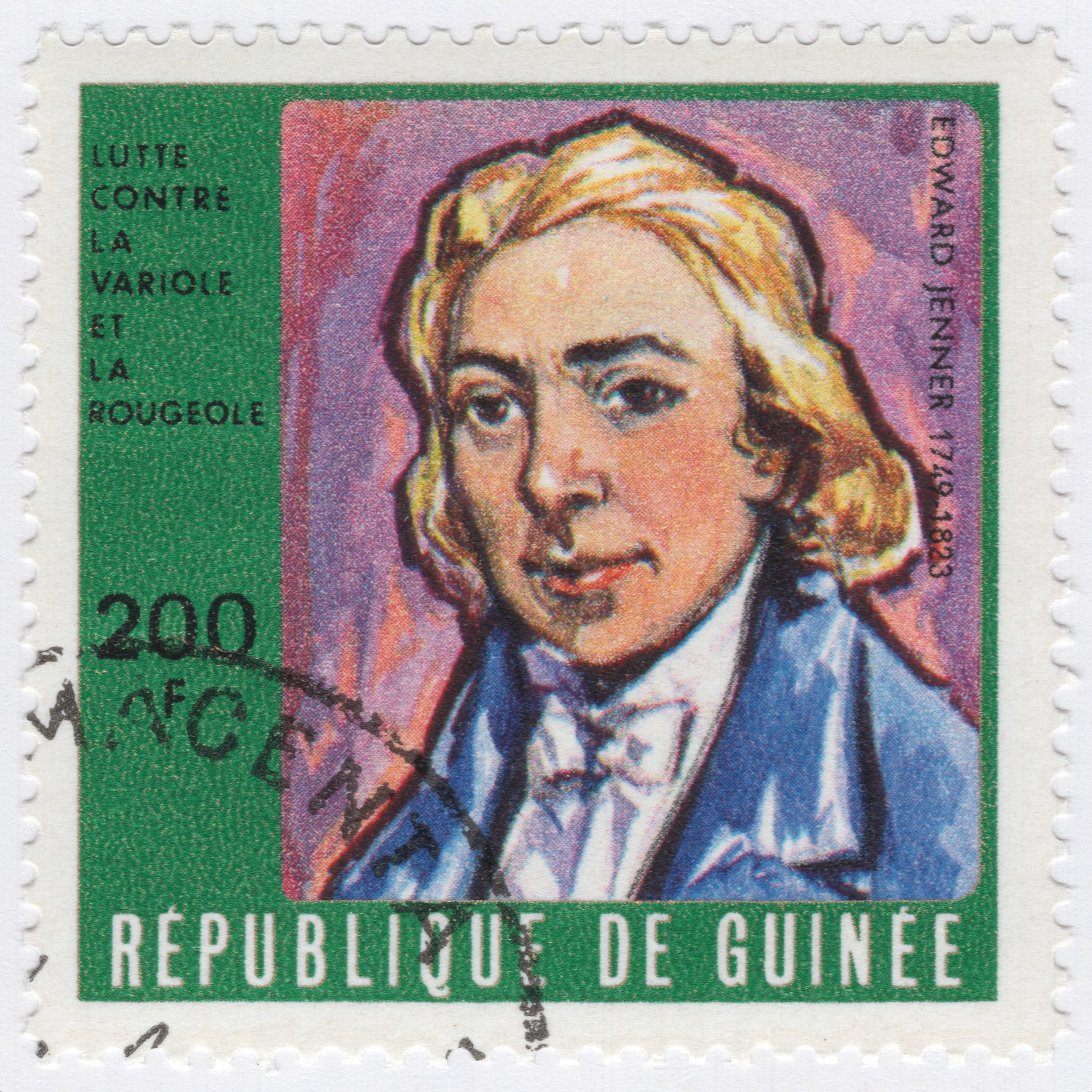
Edward Jenner, the physician credited with introducing smallpox vaccination, proposed that inoculating people with cowpox would safely and permanently protect them from smallpox.
Allopathic physicians initially opposed Jenner’s theory.
They questioned whether bypassing the body’s natural defenses this way could carry long-term consequences—and early clinical reports suggested it often did.
Journals recorded the skepticism, vaccine failures, and severe adverse outcomes—erysipelas, systemic infections, even death.
But once vaccination became institutionalized, dissent quietly vanished.
Not because the problems disappeared—but because questioning them became professionally dangerous.
What most people don’t realize is that entire medical traditions documented vaccine-associated chronic illness long before modern trials existed.
And those primary sources still exist.
A Midwestern Doctor compiled here:
Early Clinical Observations on the Effects of Smallpox Vaccination
Homeopathic physicians went further.
They identified a chronic disease state they actually called vaccinosis—distinct from acute vaccine reactions.
Vaccinosis wasn’t infection, and it wasn’t allergy.
It was a deep systemic disturbance that could persist for decades.
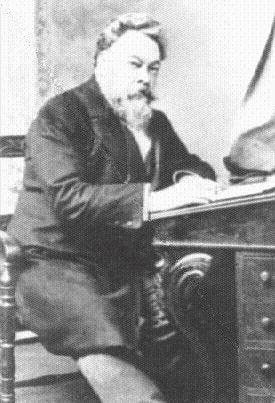
J. Compton Burnett, one of the most respected clinicians of his era, documented case after case:
• Lifelong neuralgia following vaccination
• Progressive skin diseases
• Chronic fatigue and weakness
• Loss of vitality without identifiable pathology
Patients were “alive,” but never fully well again.
What a tragedy.
In early vaccination campaigns, doctors judged success by whether a vaccine “took.”
A vaccine was said to “take” if it produced a characteristic local reaction—typically a pustule or lesion at the injection site—which was believed to indicate that the body had responded and immunity had been achieved.
If no such reaction appeared, the vaccine was said to have failed to take, and the person was often revaccinated—sometimes repeatedly.

But one especially unsettling observation was that when the vaccine failed to take, chronic illness often followed.
The visible reaction they were looking for was a proxy, not proof.
A vaccine could “take” (produce the expected lesion) yet still fail to protect against disease. Conversely, a vaccine could “fail to take” visibly but still provoke some immune response—causing harm without any benefit at all.
Historical records show many people underwent multiple vaccinations, developed severe local or systemic reactions, and were still infected later—raising early concerns that “taking” was being mistaken for true immunity.
Naturopathic physicians raised alarms, too. But they framed the issue differently.
They argued vaccination introduced foreign biological material directly into the bloodstream, bypassing the body’s natural detox and immune pathways.
Their concern wasn’t just toxicity—but biological stagnation.

From a physiological standpoint, this matters.
Blood and lymph are responsible for numerous things including waste removal, immune surveillance, and cellular signaling.
Disrupting these systems doesn’t always cause immediate illness.
Instead, it can create slow, degenerative disease—the kind that defines modern chronic illness.
The kind that makes it hard to know what first triggered it.

These doctors of the past weren’t speculating.
They were tracking patients for years—sometimes decades—and noticing the same downstream patterns.
Unfortunately, those observations are rarely taught today.
A Midwestern Doctor highlights many of them here:
Early Clinical Observations on the Effects of Smallpox Vaccination
Here’s another critical historical insight:
Many early physicians warned that suppressing symptoms—rather than resolving underlying imbalance—drives disease deeper into the body.
They believed vaccination often prevented visible surface expression while intensifying hidden internal pathology.
Modern immunology still struggles with this concept.

Fast-forward to today.
We’re seeing widespread chronic inflammation, autoimmune disease, endothelial dysfunction, and neurological syndromes—often without clear cause.
These early clinicians literally predicted this.
Not with models but with their own eyes through observation of real people.
And it didn’t matter.

What’s striking is how closely some historical descriptions mirror modern findings.
Things like abnormal clotting, vascular injury, immune dysregulation, and persistent fatigue.
Different technologies. Similar patterns.
History doesn’t always repeat exactly—but it sure does rhyme.

The biggest mistake medicine makes is assuming that newer always means wiser.
Sometimes it just means louder.
The early clinical record still speaks but only if we’re willing to listen.
Early Clinical Observations on the Effects of Smallpox Vaccination
This isn’t an argument against disease prevention.
It’s an argument against medical amnesia.
When inconvenient data is erased, medicine doesn’t become more scientific, it becomes more ideological.
That’s not science.

True science doesn’t fear uncomfortable patterns, it investigates them.
The physicians who raised these concerns weren’t ignorant—they were meticulous, careful observers operating without modern diagnostics, yet noticing trends we still struggle to explain.
They were doing it right.
If chronic disease is now the defining health crisis of the modern world, ignoring the historical moment when it began is not just negligent, it’s extremely dangerous.
Especially when that moment coincides with mass biological interventions.

The real question here isn’t whether these early doctors were right about everything.
It’s why their observations were excluded entirely.
Science advances by integration—not erasure.
If we want to understand modern chronic illness, we may need to do something that should have been done many years before: Look backward.
Not to reject progress—but to recover the clinical wisdom that “progress” buried.

Thanks for reading! This information was based on a report originally published by A Midwestern Doctor. Key details were streamlined and editorialized for clarity and impact. Read the original report here.
Early Clinical Observations on the Effects of Smallpox Vaccination
For a deeper dive into what modern medicine has overlooked—or intentionally buried—check out these other eye-opening reports by A Midwestern Doctor:
What Happens When the Body Doesn’t Get Enough Sleep?
The Biggest Myth About Alzheimer’s Disease
What’s The Healthiest Water To Drink?
While you’re at it, give A Midwestern Doctor a follow. No one brings more research, clinical insight, or historical context when it comes to exposing the health myths we’ve all been fed. This is easily one of the most valuable accounts you’ll ever follow.

If you haven’t subscribed to this Substack yet, take a moment to read what some of the most powerful voices in the medical freedom/truth movement have to say:
“The Vigilant Fox has been putting in a lot of work to create a news platform that shares the stories we want to hear about and brings attention to the most important things to know about.”
– A Midwestern Doctor, The Forgotten Side of Medicine
“The Vigilant Fox absolutely is on top of things. We must support our fighters, and the Fox is fighting with truth.”
– Tom Renz, Tom Renz’s Newsletter
“Excellent capture of key video presentations on evolving pandemic science.”
– Peter A. McCullough, MD, MPH, FOCAL POINTS (Courageous Discourse)

Drug Marketing Trumps Good medicine. My wife got the Salk Live polio vaccine. With it came the SV40 Green Monkey virus. Had a compromised immune system due to low Vitamin D. Lymphoma emerged. Kept the Lymphoma in check for almost 10 years by boosting immune system with D and life style changes and ability to suppress that virus and/or what ever other pathogen is the root cause of her enlarged B Cell lymphoma. The enlarged B cells (which are now cancer cells) destroy the T cells that are supposed to destroy the cancer cells. Only when they prescribed immune depressing drugs for other medical conditions was the B cell lymphoma expressed again and everything there after was experimental. End of story. Sad commentary on the lack of medical professionals understanding the key role of a vibrant and whole immune system plays in maintaining good health.
What a truly brilliant review of vaccine history!
For anyone who wants to better understand the history of the AMA (how they got "rich and powerful" in the 20th century), the back-story behind the Flexner Report, and how and why JD Rockefeller only sought medical care from homeopathic physicians and then told his philanthropy team that he wanted HALF of his contributions to medical institutions to go to homeopathic institutions, but not a single dollar was ultimately given.
You will learn about all of this and more in my article "Rockefeller, the Flexner Report, and the American Medical Association: The Contentious Relationship Between Conventional Medicine and Homeopathy in America" which was published in a major medical journal (July, 2025).
https://www.cureus.com/articles/370572-rockefeller-the-flexner-report-and-the-american-medical-association-the-contentious-relationship-between-conventional-medicine-and-homeopathy-in-america#!/
Also (!), in the Appendix of this article are five reports on homeopathy that were written for Rockefeller's eyes only by his financial advisor. No other historian or biographer has EVER mentioned this body of evidence...until now!