This article originally appeared on The Defender and was republished with permission.
Guest post by Jill Erzen
The U.S. House voted 280-142 today to remove language that would have limited lawsuits against pesticide makers. The vote marked a significant bipartisan rebuke of industry-backed protections. “I do not support giving blanket immunity to corporations at the expense of American families,” said Rep. Anna Paulina Luna, who co-authored the amendment to preserve states’ authority over pesticide labeling and safety standards.
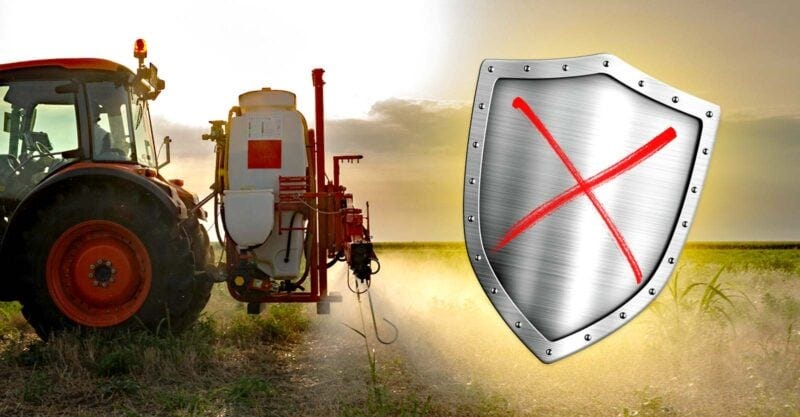
The U.S. House of Representatives voted today to strip controversial pro-pesticide provisions from the Farm Bill and adopt a bipartisan amendment that removes liability protections for chemical manufacturers, The Hill reported.
Reps. Anna Paulina Luna (R-Fla.) and Elijah Crane (R-Ariz.) co-authored the amendment that removed language that would have shielded companies like Monsanto from certain state-level failure-to-warn lawsuits. The amendment, which passed in a 280-142 vote, preserves states’ authority over pesticide labeling and safety standards.
“I do not support giving blanket immunity to corporations at the expense of American families,” Luna wrote on X.


“Today we secured a major win,” said Children’s Health Defense Senior Advocacy Manager Stephanie Locricchio. “It proves that when people unite around a common goal, change is possible. But the fight isn’t over. We must stay vigilant, push our government to prioritize public health — especially our children — over corporate profits, and continue to hold industry accountable.”
Support for the amendment crossed party lines. Rep. Chellie Pingree (D-Maine), who has long opposed similar provisions, emphasized the breadth of that coalition.
“Democrats, Republicans, and citizens across this country agree: Keep the pesticide liability shield language OUT of the Farm Bill!” Pingree posted on X.

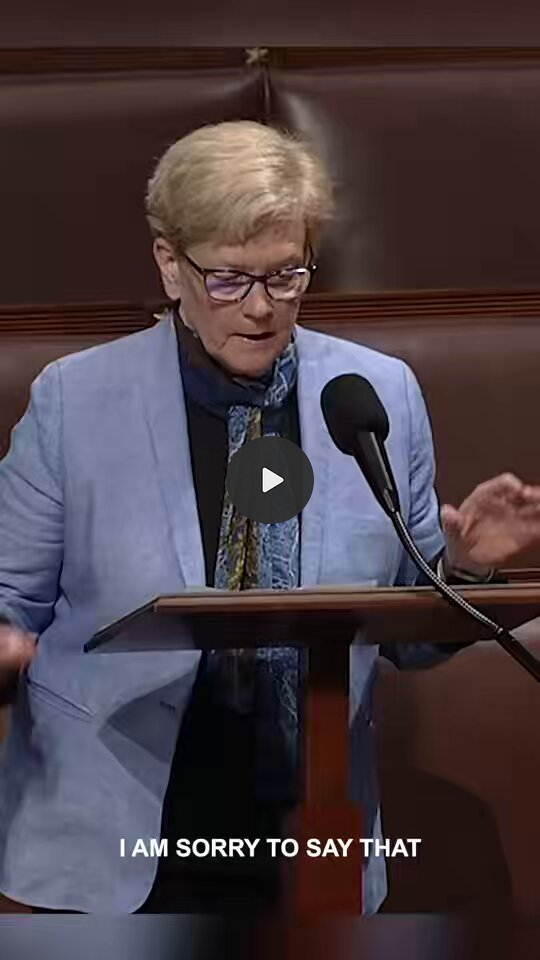
The House later passed the Farm Bill in a 224-200 vote, Politico reported. The bill now moves to the U.S. Senate.
Farm Bill remains ‘devastating failure of policy and responsibility’
Despite the removal of the pesticide liability shield, The Kucinich Report on Substack said the massive Farm Bill remains deeply flawed, and “a devastating failure of policy and responsibility.”
“We acknowledge and are grateful for the bipartisan leadership that secured removal of the chemical liability shield from the proposed text. … The food movement elevated this issue, but it is only one of many disastrous provisions in this bill.”
According to The Kucinich Report, the bill still erodes states’ rights, entrenches industrial agriculture, and increases reliance on costly chemical inputs and consolidated corporate power.
The report characterized the measure as “massive federal overreach,” alleging it blocks states from setting stronger protections than federal baselines across agriculture, including pesticide rules, spray protocols and animal welfare.
Original bill amounted to ‘giveaway’ to chemical companies
The now-stripped provisions had sparked intense debate among Republicans and across Congress.
The bill would have made it harder for people to sue pesticide makers by asserting that if the U.S. Environmental Protection Agency (EPA) has not officially identified a substance as dangerous, companies cannot be held liable for failing to warn consumers about those risks.
Additional provisions would have restricted local governments from imposing stricter pesticide rules and eliminated certain permitting requirements.
Backers of the original language, including House Agriculture Committee Chairman Glenn Thompson (R-Pa.), argued the approach would create regulatory consistency.
Thompson said states could still pursue stricter requirements, but would need EPA approval to incorporate them into labeling.
But opposition came from an unusual alliance of Democrats and Republicans aligned with the Make America Healthy Again (MAHA) movement.
They argued that the provisions amounted to what Pingree called a “giveaway” to powerful chemical interests.
The dispute complicated the Farm Bill’s path and exposed broader tensions among Republicans, where agriculture-state lawmakers and industry groups pushed to keep the protections in place.
Supreme Court to weigh in on labeling rules
The pesticide liability fight unfolded alongside developments at the U.S. Supreme Court, which heard arguments this week in a case that could determine whether federal law already preempts certain failure-to-warn lawsuits.
The case centers on Bayer’s Roundup weedkiller and whether companies can be held liable for risks not listed on labels approved by the EPA.
The issue drew public attention at the People vs. Poison rally on the steps of the Supreme Court on Monday, where lawmakers from both parties warned against shielding pesticide manufacturers from accountability.
Rep. Thomas Massie (R-Ky.) told the crowd he was working with Pingree on legislation to block such protections, The MAHA Report wrote on Substack.
“This is regulatory capture. It is corrupt,” Massie said.
Pingree echoed that message at the rally, arguing that prioritizing industry over public health undermines farmers and families.
“Any Farm Bill that protects chemical companies over American families is not pro-farmer. It’s not pro-health. It’s not pro-America. It’s a giveaway to Big Chemical,” she said. “People over poison, we are going to win!”
Sen. Cory Booker (D-N.J.) also warned that lawmakers were attempting to quietly insert industry-friendly language into must-pass legislation. He said efforts to include such provisions in the Farm Bill would “protect a broken system that is literally killing people around our country.”
Related articles in The Defender
Will Justices Side With Pesticide Giant or Cancer Victim? SCOTUS Weighs Landmark Liability Case
‘Feeding America Safely’: Pesticides, Regulatory Failures, and America’s Chronic Disease Crisis
‘We’ve Addicted Our Farmers’ to Glyphosate, RFK Jr. Tells Joe Rogan
Trump Directs USDA to Make More Glyphosate, Signals Liability Protection for Pesticide Makers
Donate to Children’s Health Defense