

The following information is based on a report originally published by A Midwestern Doctor. Key details have been streamlined and editorialized for clarity and impact. Read the original report here.
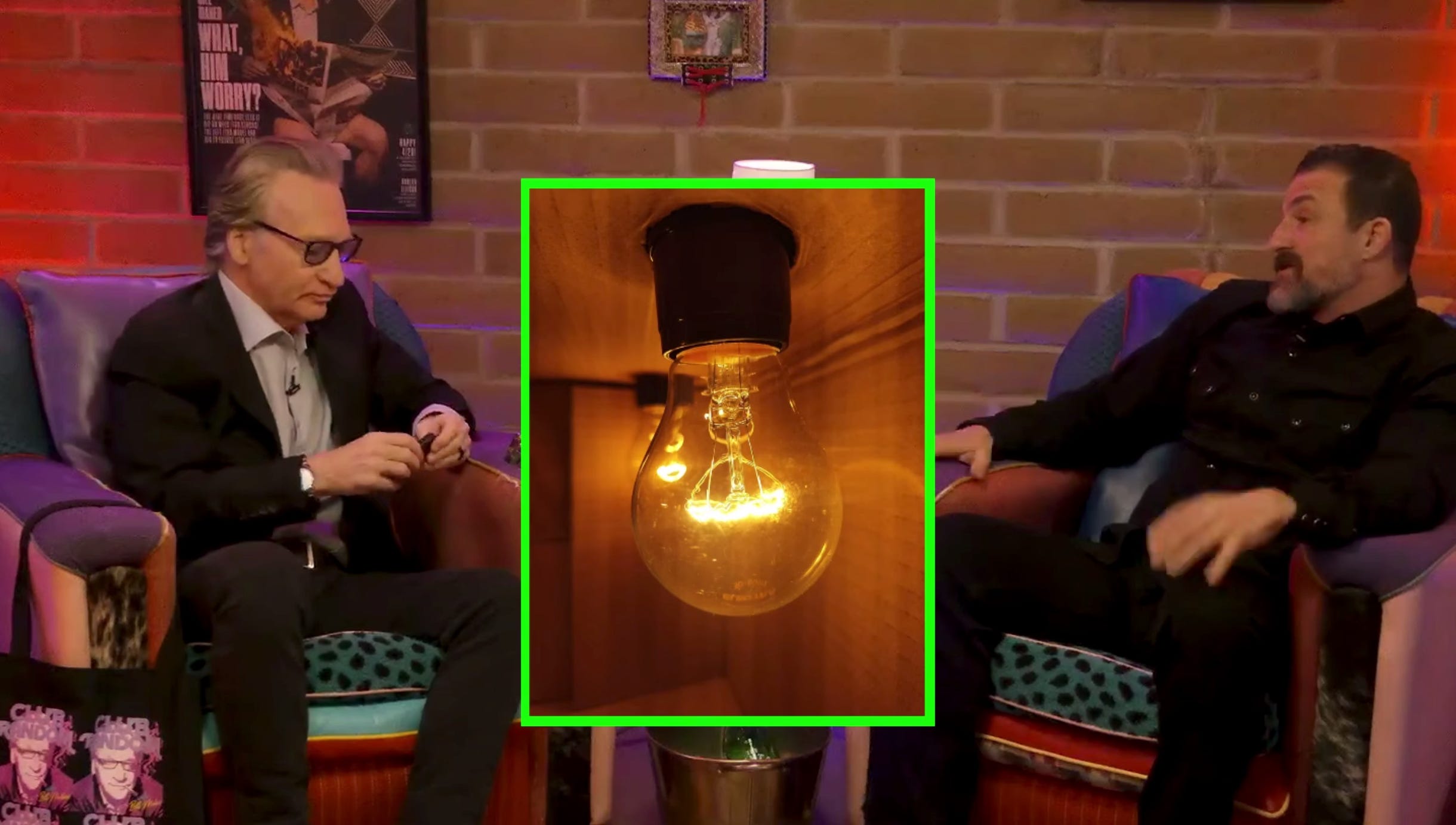
A leading neuroscientist just confirmed a “wild conspiracy theory” about incandescent lights and LED bulbs.
Dr. Andrew Huberman told Bill Maher that the long wavelengths in incandescents can improve your vision and “charge your mitochondria.”
Conversely, LED bulbs are “causing disruptions in mitochondrial function.”
DR. ANDREW HUBERMAN: “Your mitochondria function better, you increase ATP production, your metabolism increases in the presence of red light, long wavelength light to the skin.”
“Shine long wavelength light on somebody, watch blood glucose levels in a blood glucose test, and it’s blunted.”
“Now, the LED lights that are commonly used now… that short wavelength light, in the absence of long wavelength light, has been shown to damage the mitochondria.”
“This used to be considered crazy. This was like chemtrail crazy, right?”
“But now we’re starting to see from animal studies and human studies, from Glenn Jeffreys and others, that people’s vision gets better when they get in front of an incandescent bulb once a day.”
“If they get sunlight, which also has long-wavelength light, your vision improves because of improvements in mitochondria.”
Scientific data backs Huberman up.
The Biden administration quietly pushed incandescents out of the market through aggressive energy regulations.
But you can still find them online today if you look hard enough.
If something as simple as your light bulb can disrupt your mitochondria, what else is quietly keeping your cells stuck in survival mode?
Once you understand how this works, the root cause of chronic disease starts to look very different. 🧵
Most chronic illnesses are still treated as isolated problems.
A hormone imbalance.
An autoimmune condition.
A neurological disorder.
But a pattern is emerging across all of them: Cells stop functioning normally, and they never switch back.
Once you understand this, the entire model of chronic disease looks a whole lot different.

This information comes from the work of medical researcher A Midwestern Doctor. For all the sources and details, read the full report below.
Restoring Health by Systemically Treating the Cell Danger Response

Every cell in your body has two core modes: Normal function and survival.
When a threat is detected—whether from infection, toxins, injury, or prolonged stress—mitochondria shift away from energy production and toward defense, reducing cellular output to prioritize survival.
It’s important to understand that this is not dysfunction.
It’s an adaptive response designed to keep the cell alive under stress.
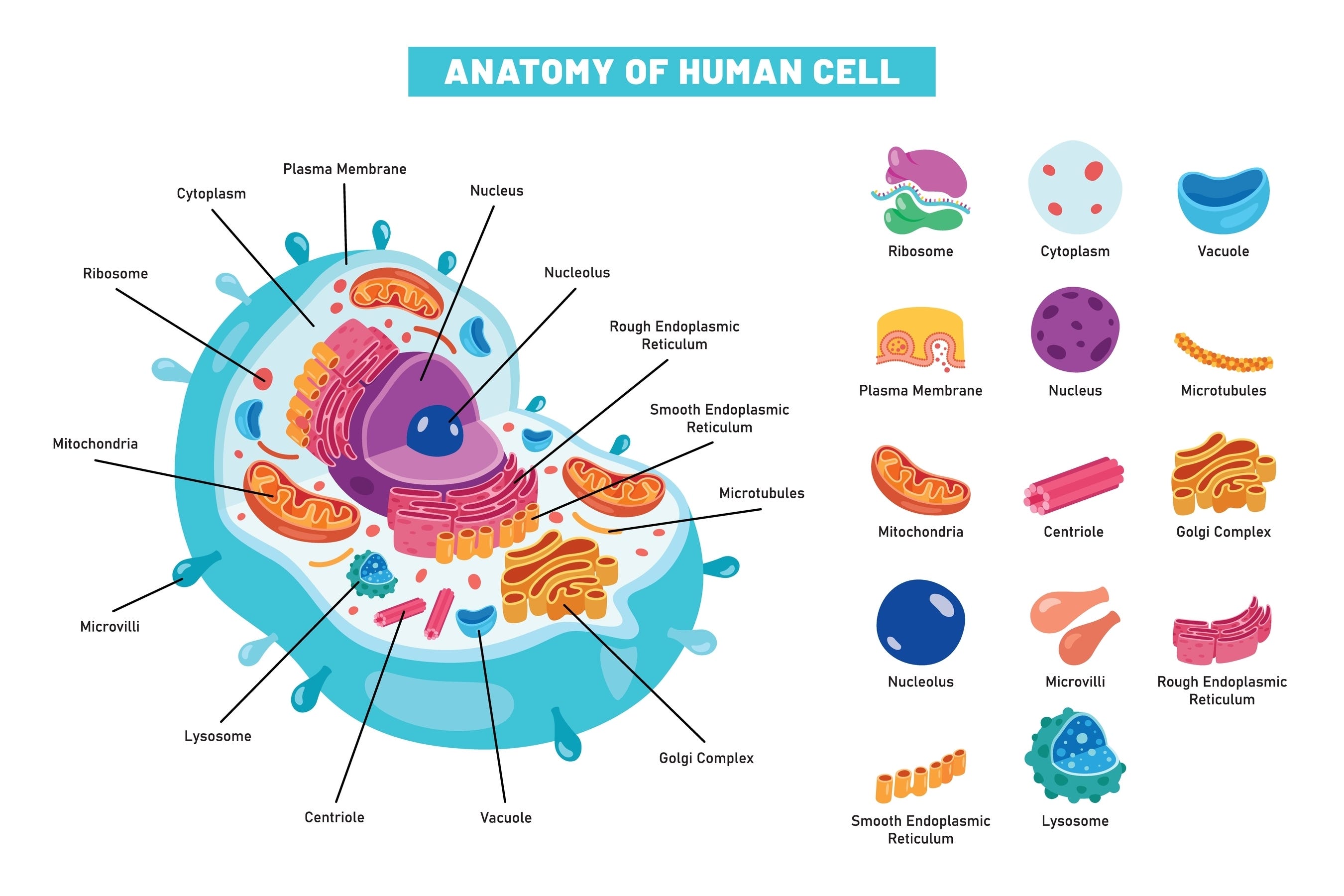
This process is called the Cell Danger Response.
Under normal conditions, it follows a complete healing cycle:
An inflammatory phase to eliminate threats
A proliferative phase to rebuild tissue
A reintegration phase where cells reconnect and resume normal function
If that cycle completes, tissue often returns stronger than before.
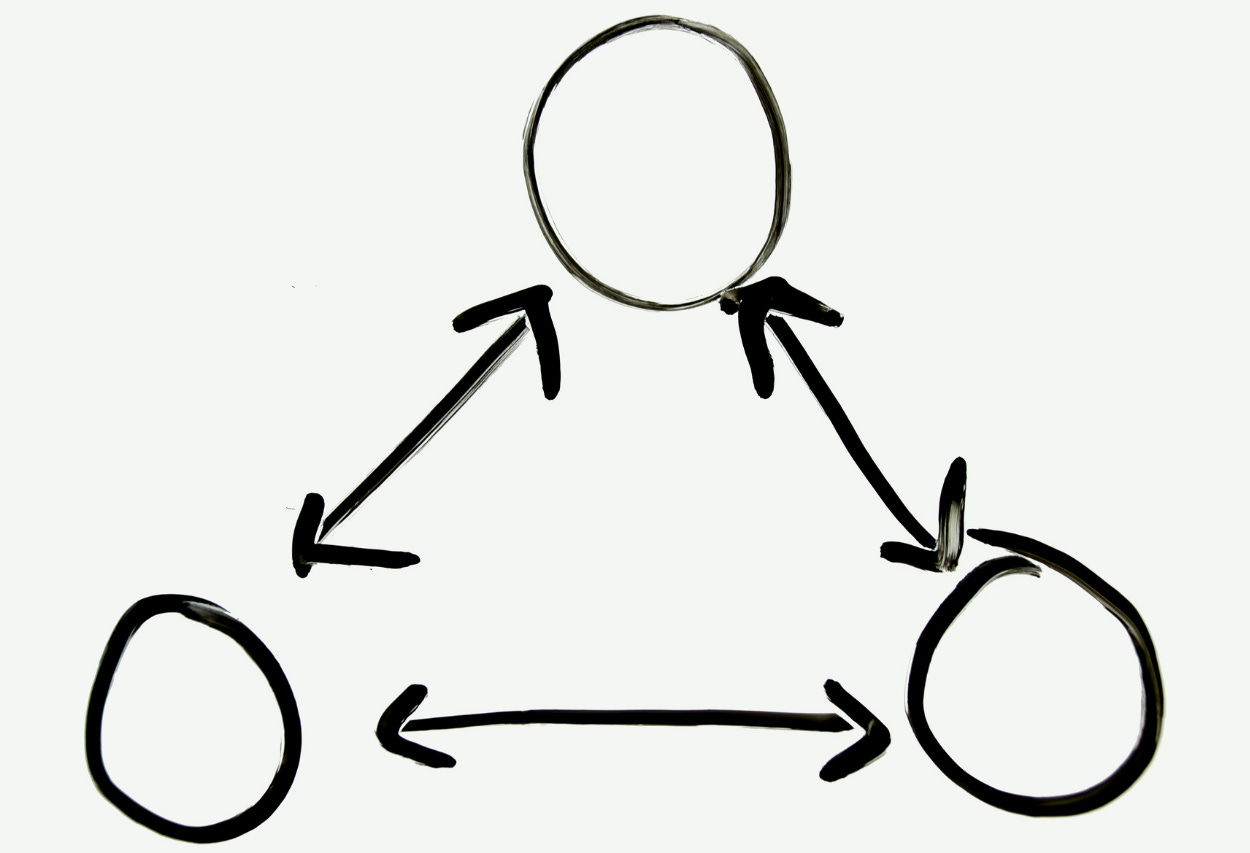
But if the cycle is interrupted, the system gets stuck.
Cells remain in a low-functioning, defensive state and begin to disconnect from their environment.
They stop responding properly to hormones like thyroid and insulin and become less responsive to nerve signaling, creating measurable dysfunction across multiple systems.
And it can snowball from there.

Most people think chronic illness is something new going wrong.
But in many cases, it’s a normal healing cycle that never completed—and got stuck in the wrong phase.
Each phase creates a different type of disease pattern.
The full breakdown explains exactly how this happens.
Restoring Health by Systemically Treating the Cell Danger Response
What if chronic illness isn’t a new disease forming?
What if it’s a healing response that got stuck and never finished?
That would explain why so many conditions share the same underlying symptoms:
Persistent fatigue
Chronic inflammation
Cognitive dysfunction
Sensitivity to stress or environment
Different diagnoses—but a shared biological pattern.

Our modern environment plays a major role in this.
We are exposed to a continuous stream of low-level stressors. Things like synthetic chemicals in “sub-toxic” doses, chronic psychological stress, disrupted circadian rhythms, nutritional deficiencies, and a lot more.
Sure, they’re manageable individually, but collectively they’re capable of pushing the system past its threshold.

And once that threshold is crossed, the Cell Danger Response can become chronically activated.
Symptoms begin to emerge based on where the dysfunction is occurring.
The brain? Neurological and cognitive issues.
The immune system? Autoimmune patterns.
Muscles and tissues? Fatigue, pain, and poor recovery.

At the center of this process is ATP.
Inside the cell, ATP powers nearly every biological function.
But outside the cell, it acts as a universal danger signal.
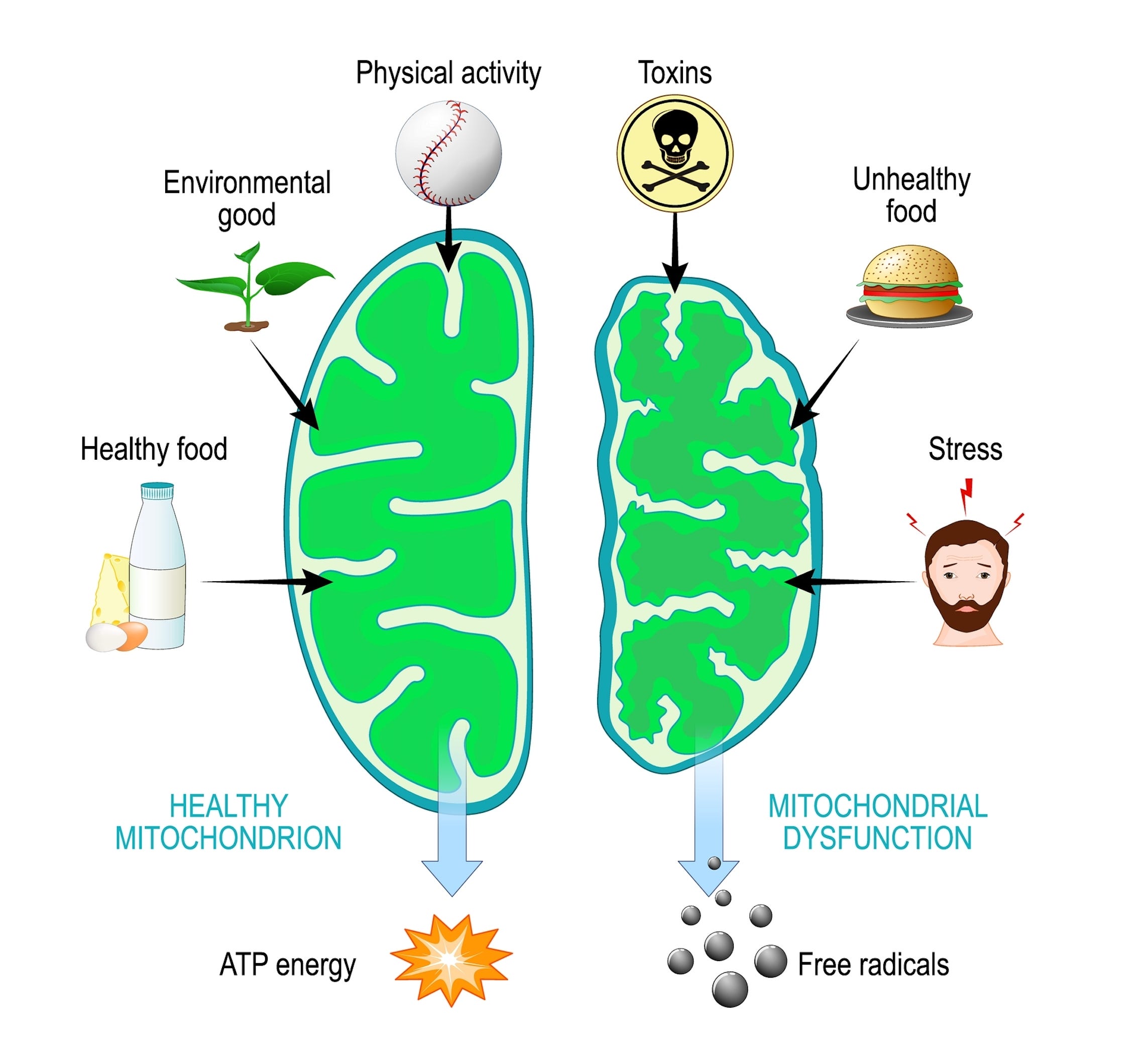
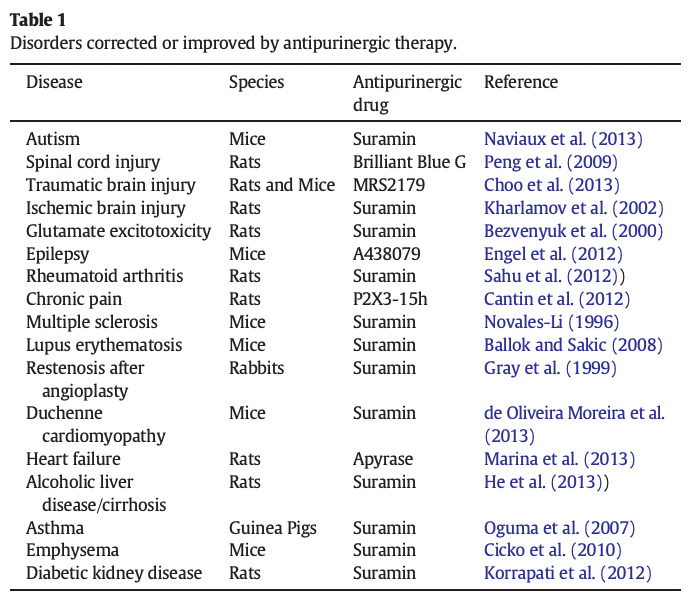
When ATP leaks into the extracellular space, it activates purinergic receptors throughout the body, signaling that cellular damage has occurred.
This triggers inflammation, immune activation, and defensive behavior in neighboring cells.
One stressed cell can recruit others into the same stressed state.

That’s how the response spreads.
And why localized dysfunction can evolve into systemic disease.
Because the signaling pattern itself becomes self-reinforcing.
Until the underlying stress is resolved.
This explains why many chronic disease therapies fail.
They assume cells are functioning normally and just need the right inputs.
But in the Cell Danger Response, cells often become resistant to those signals.

Hormones may no longer produce expected effects.
Neurotransmitters may not regulate mood or cognition properly.
Even growth signals can fail to stimulate repair—or worse, overstimulate the healthy cells while leaving dysfunctional ones unchanged.
Everything is different. It’s almost like it’s a totally different environment.

In some cases, increasing stimulation makes things worse.
Because pushing a system that is still in defense mode can trigger further danger signaling instead of recovery.
This is why aggressive interventions can backfire badly in complex chronic illness.

One of the most striking examples of this model comes from autism research.
Evidence suggests autism reflects a sustained third phase of the Cell Danger Response—where reintegration fails and normal cellular communication is not restored.
In a clinical trial of 10 boys aged 5–14, a single low-dose therapy targeting purinergic signaling produced measurable improvements in all core symptoms.
Language improved. Social interaction improved. Repetitive behaviors decreased.
Two non-verbal children spoke their first sentences.
That’s huge.

The effects lasted approximately 5–8 weeks after only one dose.
This may not be a permanent solution, but is clear evidence that shifting cellular signaling can change outcomes.
Just think of how many people this could help.

Larger follow-up trials showed similar patterns.
Lower doses produced measurable improvements, while higher doses did not—highlighting how sensitive this system is to proper signaling intensity.
Most side effects at effective doses were mild and transient.

This pattern extends far beyond autism.
In long COVID and chronic fatigue syndrome, research shows not a general mitochondrial failure, but a shift into a hypometabolic survival state.
The body isn’t broken. It’s just adapting to perceived danger.
And this distinction is critical.
Because you don’t fix adaptation the same way you fix damage. You change the signals driving it. You uncover and address the root cause.

The body exits the Cell Danger Response through safety signals.
Not force. Not stimulation.
Real safety.
One treatment or a few pills just won’t do it.

These signals come from multiple systems working together:
A balanced autonomic nervous system
Deep, restorative sleep
Stable circadian rhythms
Positive social connection
Exposure to natural environments
Without these, the system doesn’t receive the signal to return to normal.

This creates a feedback loop that sustains illness:
The Cell Danger Response disrupts sleep
Poor sleep prevents safety signaling
Lack of safety signaling sustains the response
And the cycle reinforces itself over time.

Timing also matters.
For the first few months, mitochondria can often switch back relatively easily.
But if the response persists beyond that, structural changes begin to develop in tissues, making reversal significantly more difficult.
This is why early intervention is easier.
And why long-standing illness requires a more layered, strategic approach than what most people are met with when they go to the doctor.

One of the most important clinical insights is the order of operations.
In complex cases, practitioners must determine whether to treat the danger first, reduce the Cell Danger Response first, or stabilize the system before doing either.
Unfortunately, the wrong order can worsen the condition.

Most people think treatment failure means the therapy didn’t work.
But in complex illness, it’s often the opposite—the timing was wrong.
There’s a specific order to treating the Cell Danger Response, active threats, and detox.
The full breakdown explains exactly how to sequence it.
Restoring Health by Systemically Treating the Cell Danger Response
For example, aggressively targeting an infection in a highly sensitive patient can amplify inflammation and push the system deeper into dysfunction.
Because the system is already primed for danger signaling.
That’s why many approaches begin with stabilization.
Reducing the intensity of the response before attempting deeper interventions.

There is also an “energy hierarchy” of treatments.
At the lowest level: Sunlight, nutrition, and rest—supporting basic cellular function without overwhelming the system.
Next: Vitamins, minerals, and amino acids—restoring key building blocks required for cellular activity.
Then: Light therapies, peptides, and IV nutrients—interventions that actively influence cellular signaling and energy production.
And at the highest level: Exosomes and stem cells—therapies that directly alter communication between cells.

Exosomes are particularly important because they act as signaling carriers.
They transport molecular messages between cells, coordinating repair and function across tissues.
In many chronic illnesses, this communication system becomes disrupted—or even corrupted.
For example, toxic signaling patterns can spread through exosomes, reinforcing dysfunction across the body.
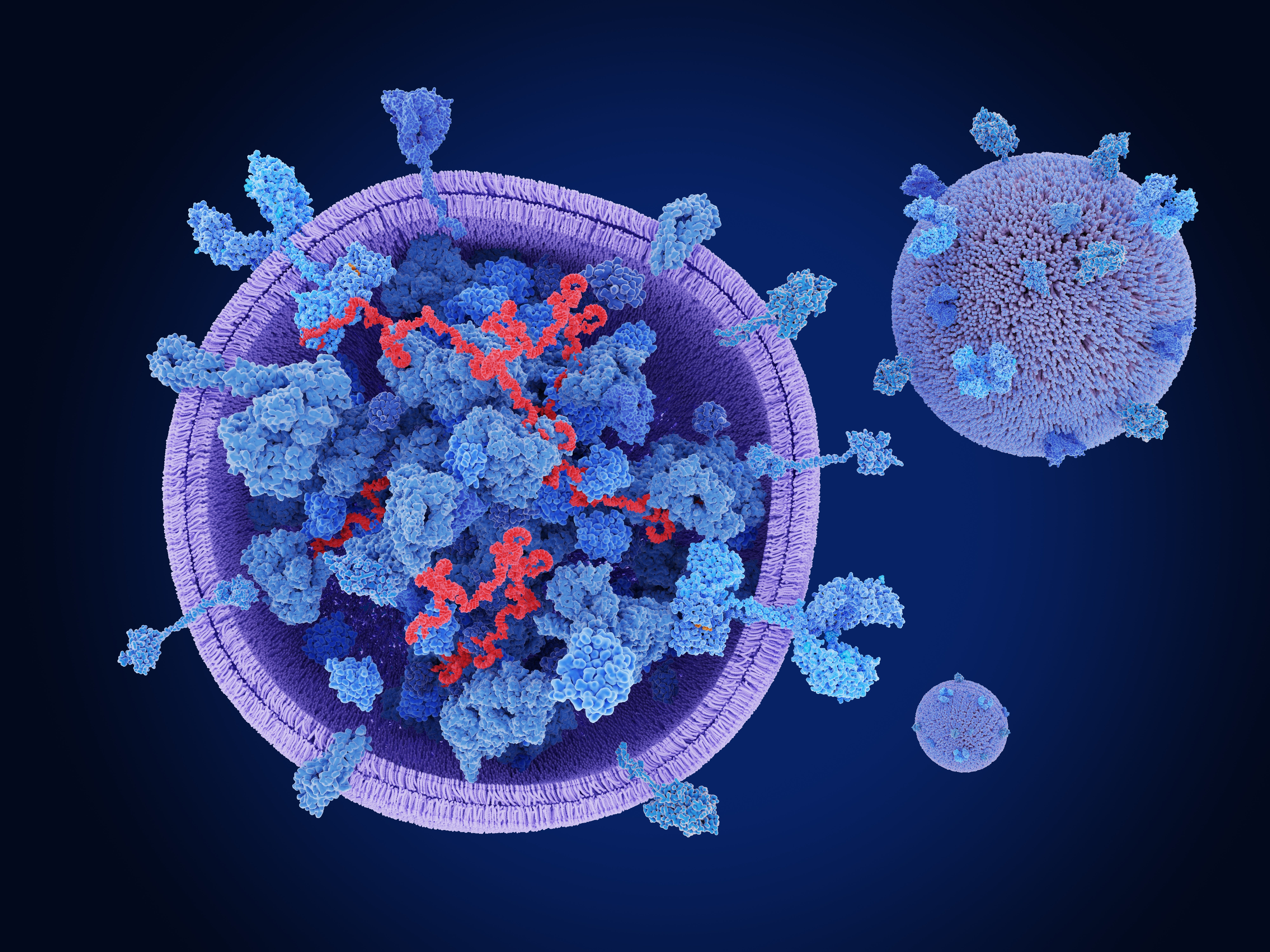
Thankfully, introducing healthy exosomes appears to override those signals, restoring communication.
In some cases, patients experience rapid improvements—suggesting that restoring signaling can quickly shift cellular behavior.

Some of the most powerful therapies don’t “treat” disease at all—they reset cellular communication itself.
That includes exosomes, UV blood irradiation, peptides, and other approaches rarely discussed in conventional medicine.
The full breakdown goes into how—and when—they actually work.
Restoring Health by Systemically Treating the Cell Danger Response
And this points to a deeper conclusion: Chronic illness isn’t just a problem of damage.
It’s a problem of communication.
Because when cells stop communicating properly, the body stops functioning as a coordinated system.
And when that communication is restored, function can return.

Thanks for reading! This information was based on a report originally published by A Midwestern Doctor. Key details were streamlined and editorialized for clarity and impact. Read the original report here.
Restoring Health by Systemically Treating the Cell Danger Response
For a deeper dive into what modern medicine has overlooked—or intentionally buried—check out these other eye-opening reports by A Midwestern Doctor:
The Great Alzheimer’s Scam and The Proven Cures They’ve Buried for Billions
What They Don’t Tell You About C-Sections
What’s The Healthiest Water To Drink?
While you’re at it, give A Midwestern Doctor a follow. No one brings more research, clinical insight, or historical context when it comes to exposing the health myths we’ve all been fed. This is easily one of the most valuable accounts you’ll ever follow.
If you haven’t subscribed to this Substack yet, take a moment to read what some of the most powerful voices in the medical freedom/truth movement have to say:
“The Vigilant Fox has been putting in a lot of work to create a news platform that shares the stories we want to hear about and brings attention to the most important things to know about. If you want a daily newsfeed in alignment with our ...”
– A Midwestern Doctor, The Forgotten Side of Medicine
“The Vigilant Fox absolutely is on top of things. We must support our fighters, and the Fox is fighting with truth.”
– Tom Renz, Tom Renz’s Newsletter
“Excellent capture of key video presentations on evolving pandemic science.”
– Peter A. McCullough, MD, MPH, FOCAL POINTS (Courageous Discourse)

Unfortunately, Pres DJT did not "unban" the incandescent:
Executive orders cannot override statutory requirements. They can direct federal agencies to review or adjust how regulations are implemented but cannot change the legal framework underpinning those regulations.
Traditional incandescent bulbs are still non-compliant. Manufacturing or importing incandescent bulbs that do not meet the efficiency standard remains prohibited under federal law.*
But we can still fight back by supporting the Soft Lights Foundation:
https://romanshapoval.substack.com/p/orange
I wonder if Incandescent bulbs will ever be back on the shelves of stores. They are crazy expensive when I have found them on line.