


The following information is based on a report originally published by A Midwestern Doctor. Key details have been streamlined and editorialized for clarity and impact. Read the original report here.
A registered nurse with 30 years of experience treating chronic pain says she saw “TEN TIMES” the positive effects after mixing DMSO with castor oil to treat her peripheral neuropathy.
Castor oil on its own has anti-inflammatory effects, but adding the DMSO is where she says it “got interesting.”
That’s because DMSO “isn’t just a treatment, it’s a carrier,” Danielle Minetti explained.
“It can pull medications and nutrients right through the skin barrier deep into the body.”
That’s why when Danielle mixed DMSO with castor oil, she saw “ten times” the positive results.
Because DMSO acts as the delivery system, carrying the castor oil deeper into the areas where she needs relief most.
DMSO is a naturally occurring compound that is primarily derived as a byproduct of the wood pulp and paper industry, which makes it widely and affordably available.
But that also creates a problem...
Because if a treatment can’t be patented, Big Pharma can’t profit.
And that simple reality is where the DMSO story takes a dark turn.
So what happened to DMSO, and why is a substance that is so medically promising still relatively unknown to this day?
Let’s take a closer look.
The real story isn’t whether or not DMSO worked.
The real story is how a low-cost, widely available substance became an early case study in medical distrust.
Regulators suddenly restricted it. Doctors dismissed it.
But patients kept using it.
And once that happened, official medicine no longer controlled the story.
DMSO was discovered in 1866 by a Russian chemist, then largely forgotten.
In the 1950s, the paper industry needed new solvents. Dimethyl sulfide from wood pulping could be oxidized into DMSO.
That industrial turn set up one of the most unusual medical controversies of the 20th century!
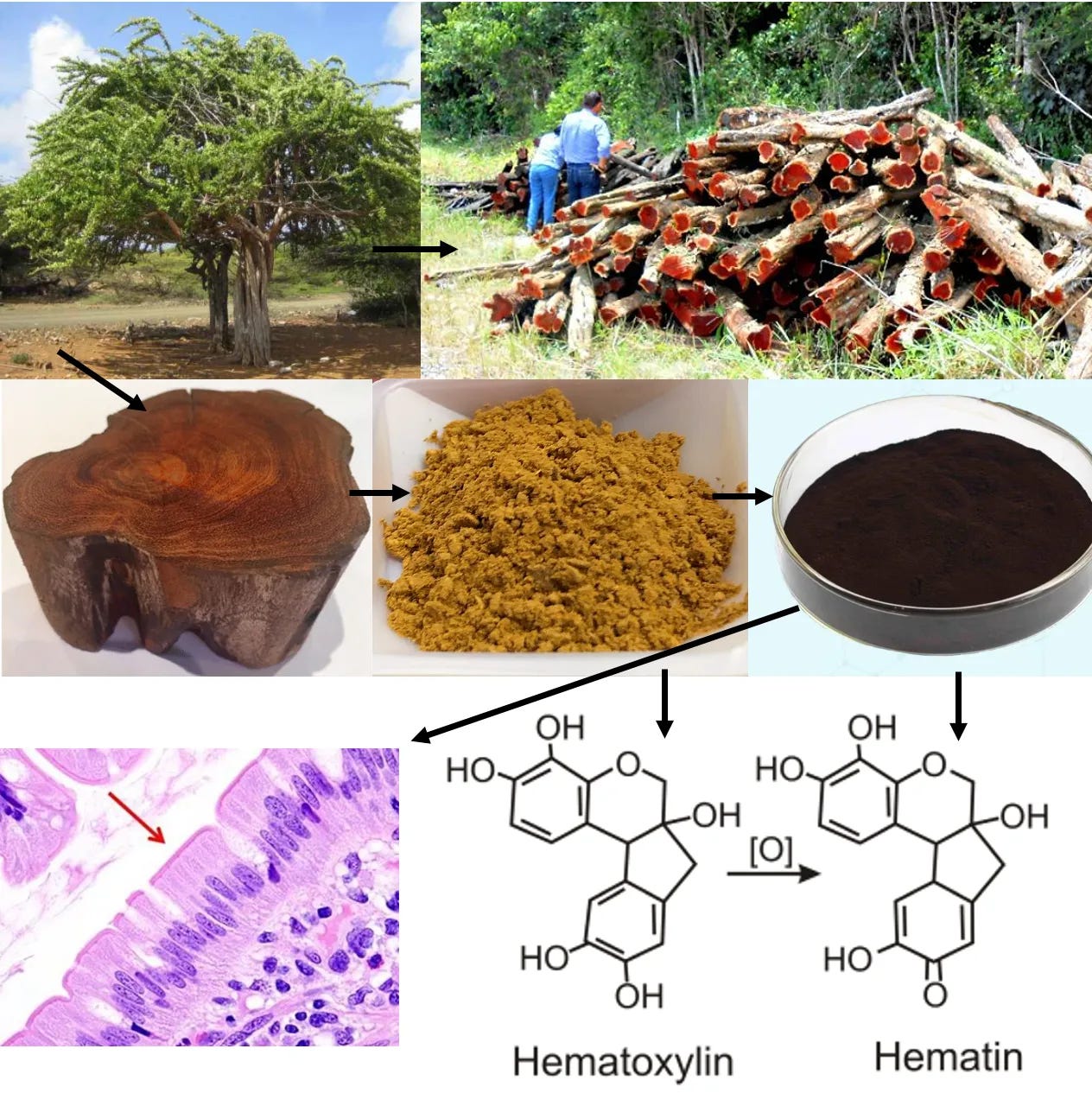
This information comes from the work of medical researcher A Midwestern Doctor. For all the sources and details, read the full report below.
Early Health Innovators and DMSO

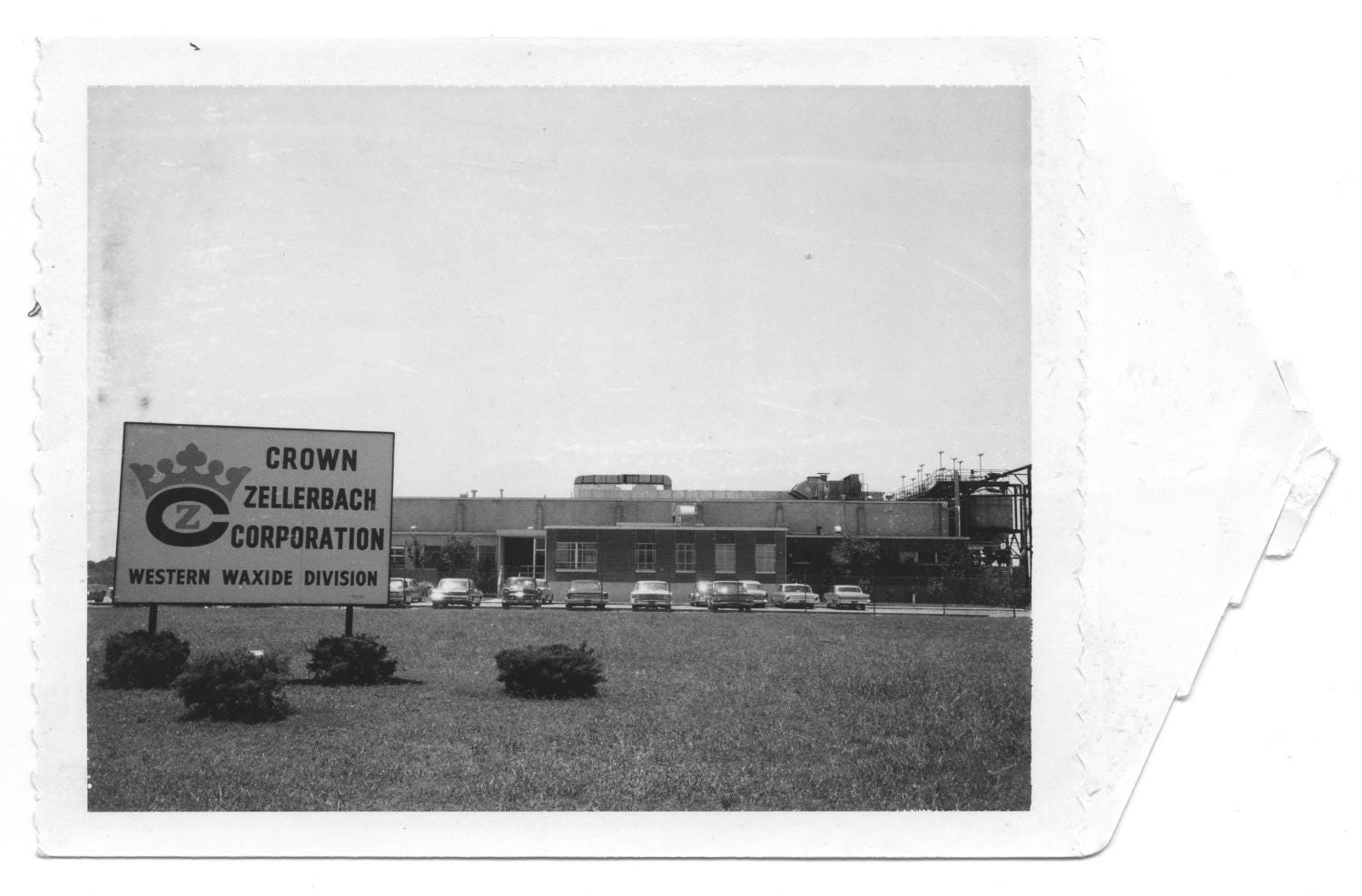
Crown Zellerbach, a pulp and paper company, became a major DMSO producer.
A chemist there, Robert Herschler, noticed DMSO could carry dyes through skin.
That alone was remarkable.
But the implication was bigger: if it could carry dyes, could it carry medications into places ordinary drugs struggled to reach?
Nearby, surgeon Stanley Jacob was searching for better ways to preserve organs for transplant.
When Herschler shared his findings in 1961, Jacob began experimenting.
Then he reportedly tasted iodine shortly after applying DMSO mixed with iodine to the skin.
That suggested rapid systemic absorption.
For pharmacology, that was a thunderclap.

The point isn’t that “DMSO cures everything.”
It is how a cheap, available compound became a test case in medical distrust: easy to try, hard to regulate, and impossible to fully suppress.
Early Health Innovators and DMSO
Early reports were dramatic.
DMSO was said to help burns, sprains, musculoskeletal pain, and other hard-to-treat problems.
Jacob became so convinced that he carried it with him, used it on people he encountered, invested his career and savings into researching it, and eventually received medical-school funding after going broke.
This is where the story could have become conventional.
A substance is discovered.
Clinicians test it.
Drug companies invest.
Regulators evaluate.
Clear indications are approved or rejected.
Instead, DMSO ran into a newly empowered FDA, reshaped by the thalidomide disaster and the 1962 expansion of drug-regulatory authority.
At first, the FDA was reportedly open to DMSO research.
Then a practical problem appeared: DMSO was too versatile.
It was being investigated alone and in combination with other substances.
That meant many possible applications, many IND filings, and a regulatory workload that could become enormous.
A flexible compound did not fit neatly into a narrow approval machine.
Then came the break.
In late 1965, the FDA moved against DMSO after preliminary dog data suggested high doses could alter eye focusing.
The reports emphasized that this effect was not seen in trials involving 37,000 people and was not later seen in humans or monkeys.
There was also one death, which supporters argued was likely tied to another drug being taken at the same time.
But the response was sweeping.
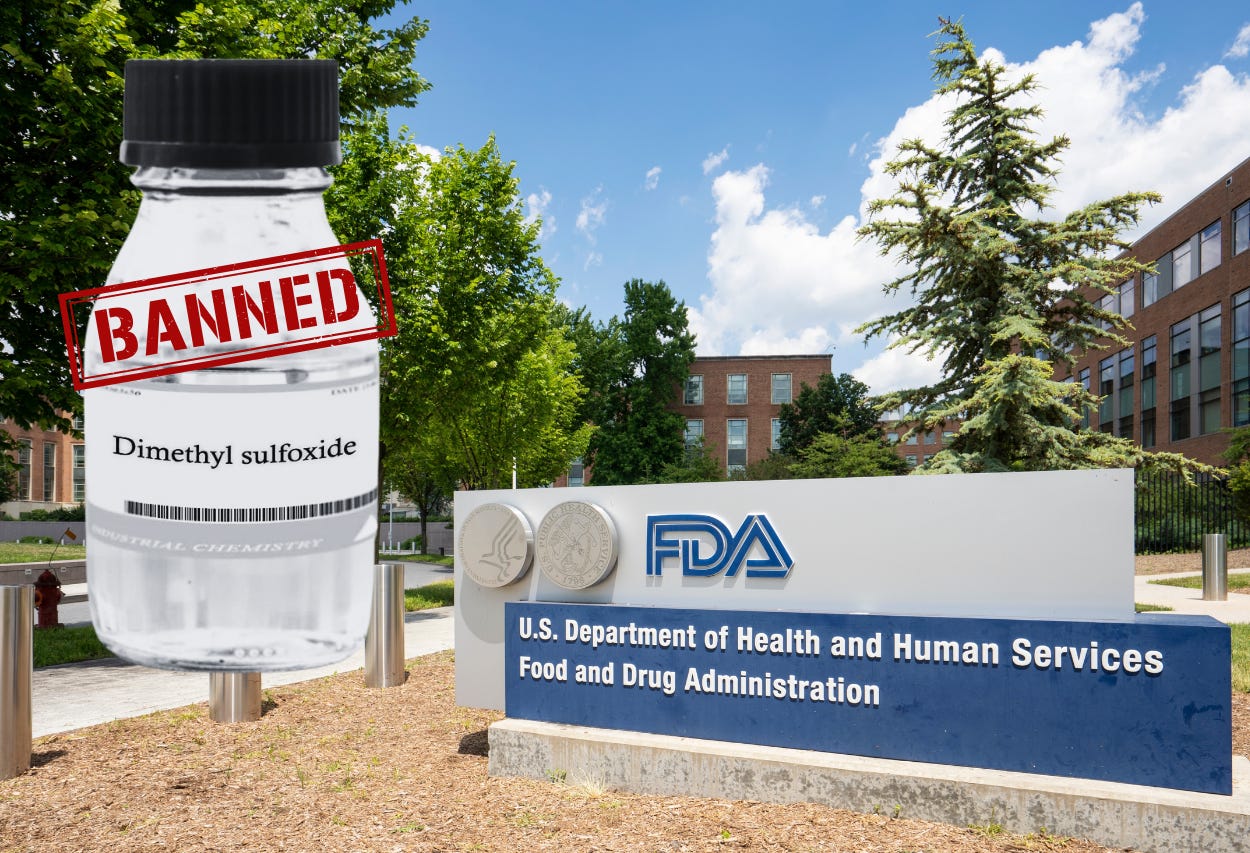
DMSO testing was banned in the United States.
The FDA also reportedly sent telegrams to U.S. embassies encouraging other nations to halt DMSO work.
That is the key turn in the story.
A safety question became a global chilling signal.
This is where distrust begins.
Not because every DMSO claim was proven.
But because the public saw something stranger: a therapy people believed was helping them, a research pathway that suddenly narrowed, and institutions that seemed more interested in stopping the conversation than resolving it.
That was the first wave.
The second came in 1980, when Mike Wallace covered DMSO on 60 Minutes before congressional hearings on FDA stonewalling.
The broadcast turned a buried controversy into a mass public question.
DMSO was still legal as an industrial solvent.
So people were not waiting for prescriptions.
They were looking for bottles.
The full article from A Midwestern Doctor reveals a lot.
Once doctors were seen as hostile or uninformed, DMSO users didn’t stop seeking answers.
They changed who they trusted.
Early Health Innovators and DMSO
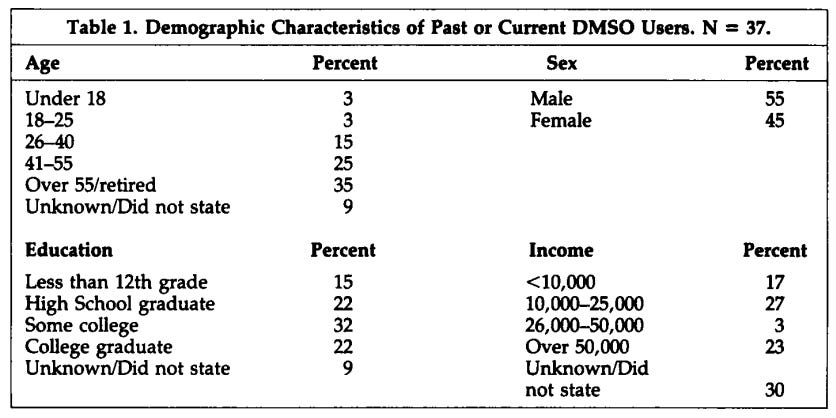
The 1985 study didn’t find one narrow kind of DMSO user.
It found a small but diverse group: men and women, younger adults and retirees, high-school graduates and college graduates.
The uses were just as broad: osteoarthritis, rheumatoid arthritis, back pain, neck pain, knee injuries, bursitis, burns, psoriasis, headaches, scleroderma, insect stings, cataracts, toothaches, and more.
That range is exactly what made regulators uneasy.
It is also what made users curious.
The study used innovation-diffusion theory to explain why DMSO spread.
An innovation spreads faster when it has relative advantage, compatibility, low complexity, trialability, and observability.
DMSO appeared to have all five.
It was cheap.
It was topical.
It could be tried quickly.
People could stop if easily it did nothing.
So believers told everyone.

The anecdotes were powerful.
One woman said she could not swing her leg because of knee pain, then after two DMSO treatments she could move it without pain and cried.
Another said she had not walked upstairs for five years, used DMSO three times on her hip, and could climb stairs again.
Those stories move faster than journal articles.

This is not proof that every claim was true.
Anecdotes can mislead. Placebo effects are real. Pain fluctuates.
But institutions make a fatal mistake when they treat lived experience as irrelevant.
The public doesn’t need every anecdote validated.
It needs to see that inconvenient signals are being investigated honestly.

Then came the trust inversion.
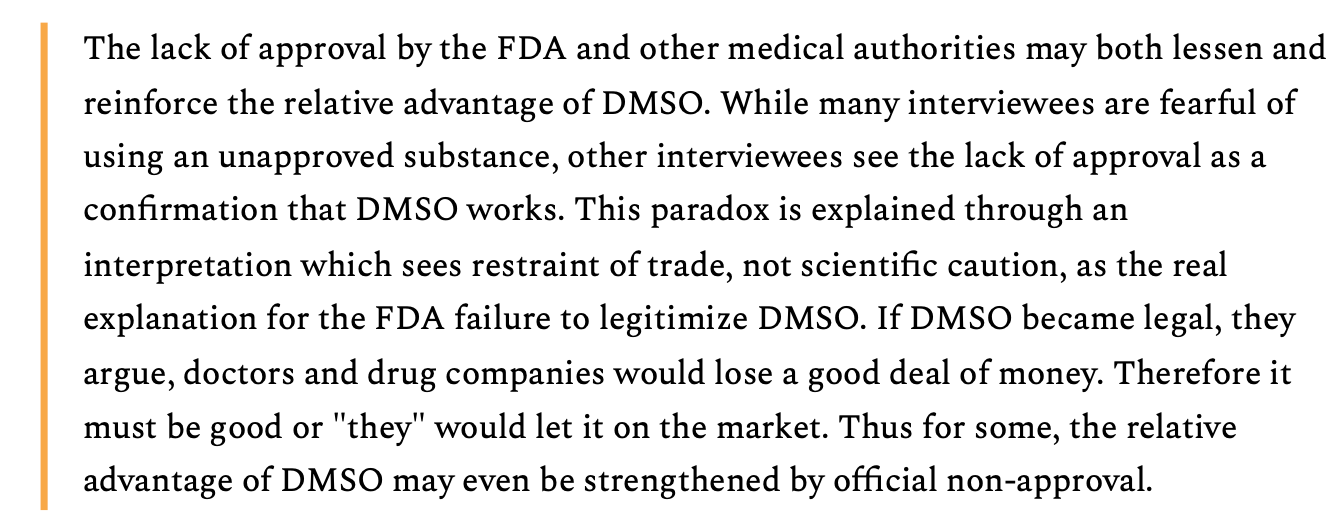
FDA non-approval made some users cautious.
But for others, it made DMSO seem more credible.
Their logic was simple: if doctors, drug companies, and regulators all opposed it, maybe that meant the substance threatened them.
Suppression became evidence.
The trust channels were revealing.
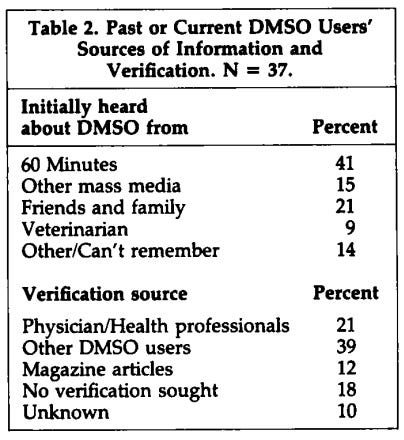
Among 37 users, 41% first heard about DMSO from 60 Minutes.
Another 21% heard from friends and family. Nine percent heard from veterinarians.
For verification, 39% relied on other DMSO users, while only 21% relied on physicians or health professionals.
That is not just underground medicine.
That is a parallel trust system forming in real time.
Refusing to responsibly regulate a popular health intervention doesn’t make it disappear.
It can move people into weaker guidance, inconsistent quality, peer-to-peer improvisation—and sometimes into ordinary storefront windows.
That’s not control.
It’s loss of control.
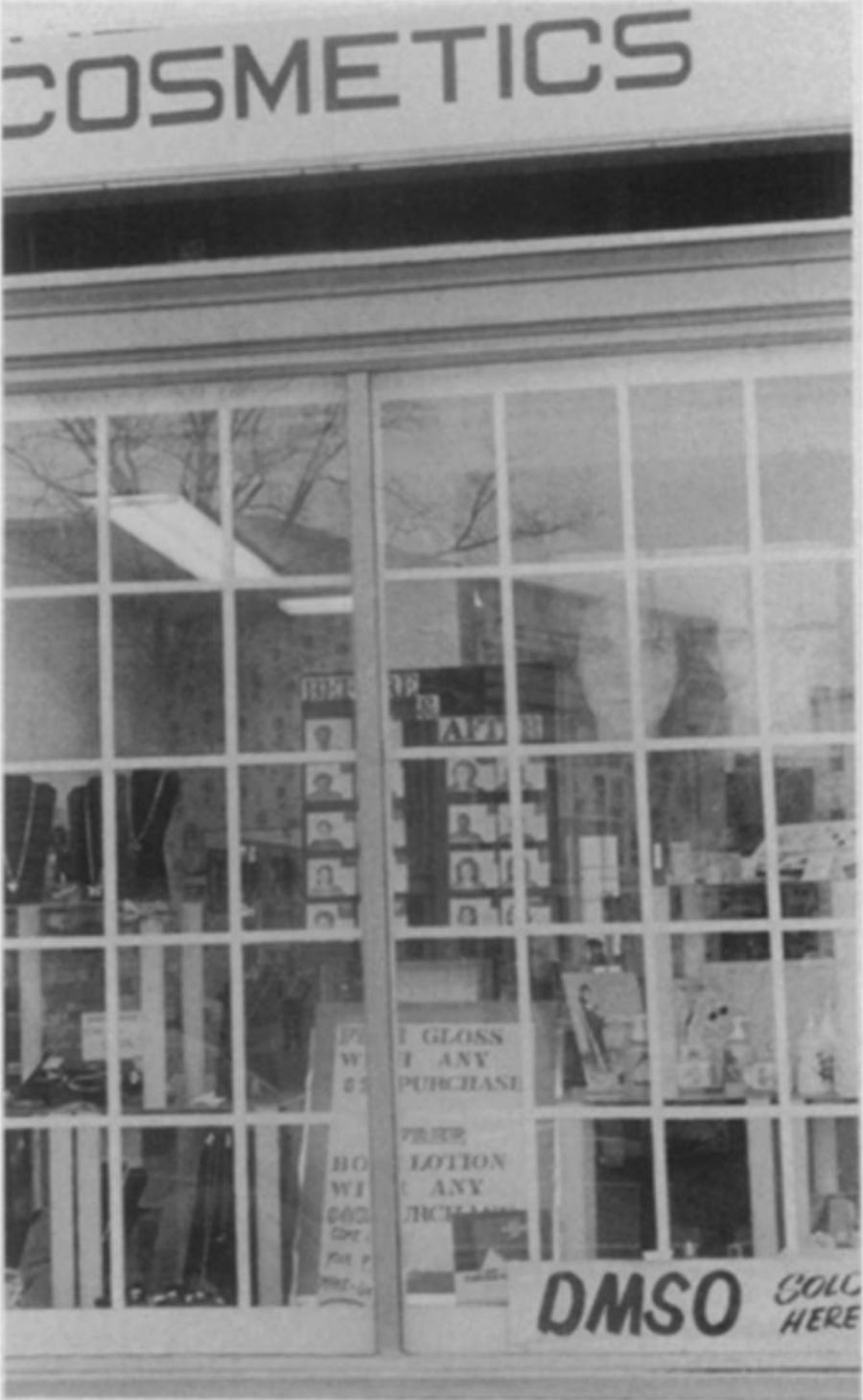
All of their attempts at suppression didn’t make DMSO disappear.
It moved it outside the medical system—and made unofficial networks more persuasive.
A Midwestern Doctor has all the details.
Early Health Innovators and DMSO
There was another strange contradiction.
DMSO faded as a broadly studied human therapy in the U.S., but it didn’t vanish from medicine.
It remained approved for interstitial cystitis.
It remained widely used as a cryopreservative.
It became a common laboratory solvent.
It appeared as an “inert” vehicle in other drug contexts.
So the system never fully rejected DMSO.
It narrowed where DMSO was allowed to exist.
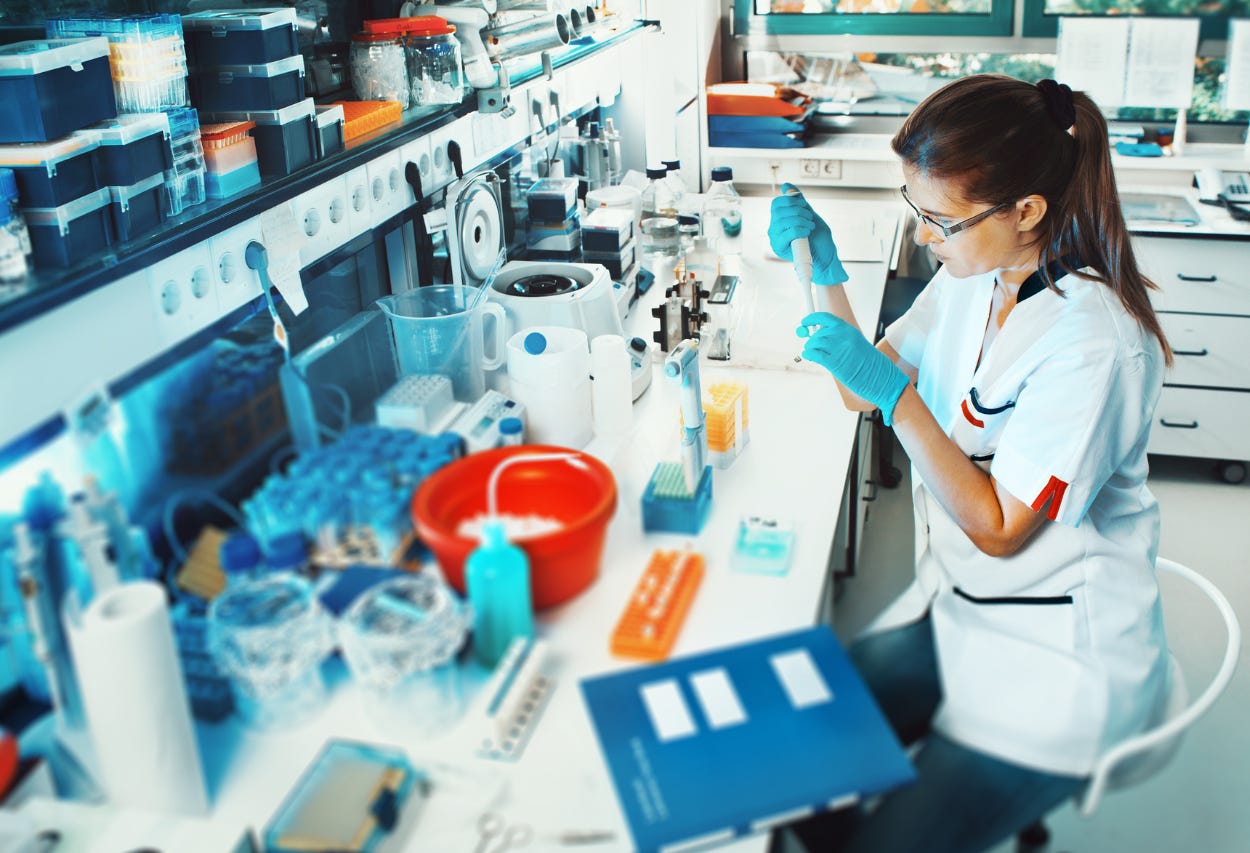
Outside the U.S., the story looked different.
In 1971, the Soviet Union’s Ministry of Health approved it as Dimexide.
That meant much of the forgotten therapeutic literature came from Russian and Ukrainian sources, with additional work from Chinese, South American, and German researchers.
One country’s suppressed topic became another country’s ordinary medicine.
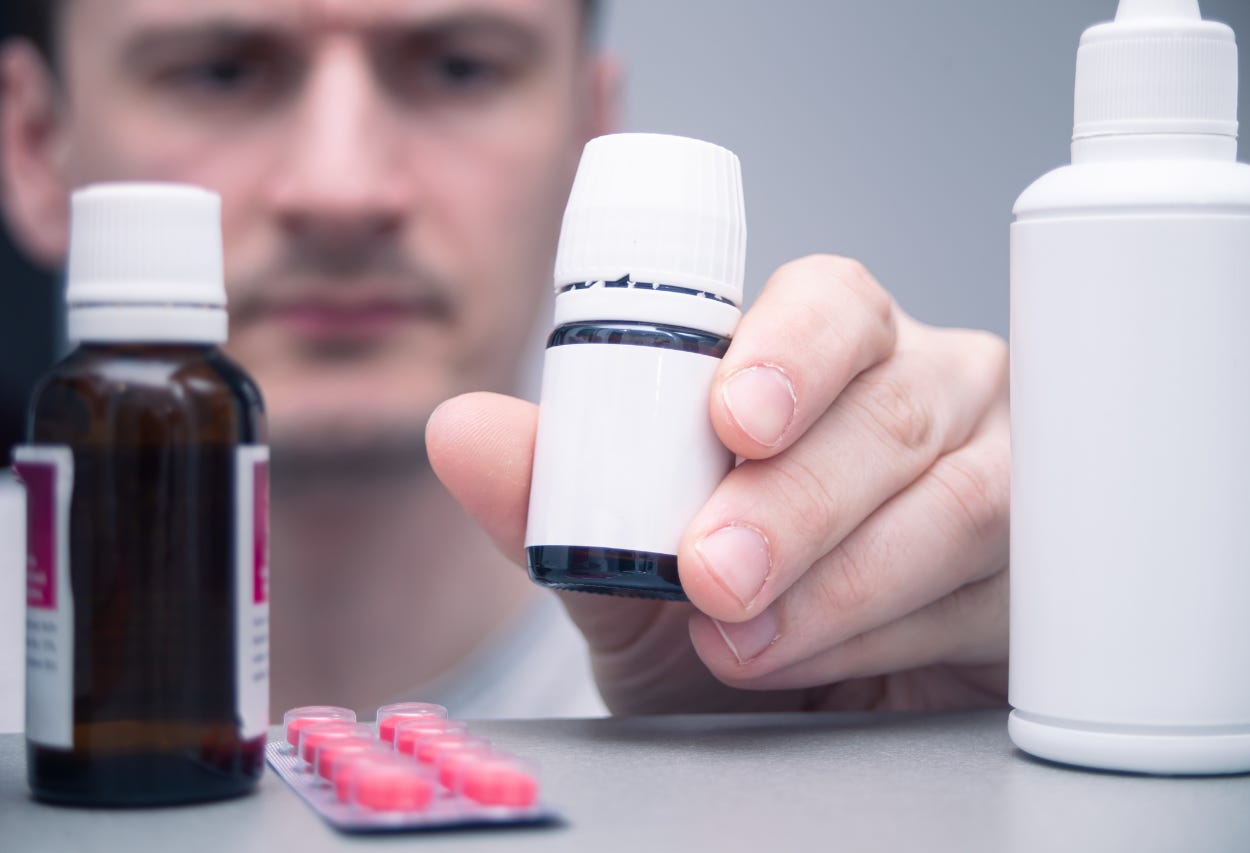
The larger lesson is not limited to DMSO.
When people are desperate, when conventional options fail, and when a low-cost intervention appears to help, information will spread.
The only question is whether that spread happens inside a responsible research culture or outside it.
Suppression doesn’t erase demand.
It changes where demand goes.

That is why DMSO keeps resurfacing.
The first wave came through researchers and media attention in the 1960s.
The second came through 60 Minutes and hobby-shop networks in the 1980s.
The third is happening in the internet era—right now—where one viral discussion can reach millions faster than regulators, journals, or medical societies can respond.

The uncomfortable conclusion is this:
Institutions often assume public trust comes from authority.
Far from it it. Trust comes from honesty, proportionality, and a willingness to investigate inconvenient signals.
When people believe institutions are hiding useful options, even imperfect anecdotes can become more persuasive than official silence.
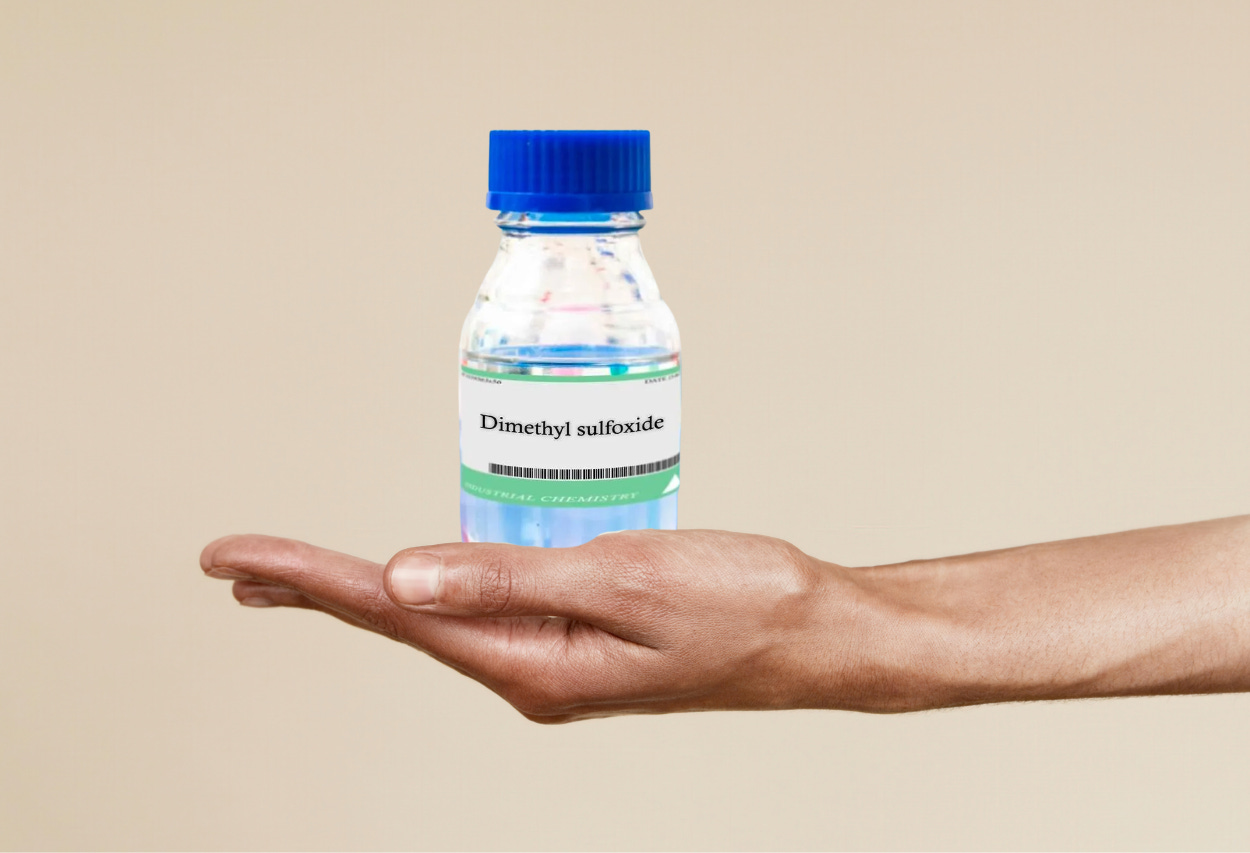
DMSO isn’t just a story about a solvent.
It is a story about what happens when institutions lose the benefit of the doubt.
When people believe medicine is ignoring what they can see with their own eyes, they don’t stop searching and experimenting with what they find.
They stop trusting the people who told them not to.

Thanks for reading! This information was based on a report originally published by A Midwestern Doctor. Key details were streamlined and editorialized for clarity and impact. Read the original report here.
Early Health Innovators and DMSO
For a deeper dive into what modern medicine has overlooked—or intentionally buried—check out these other eye-opening reports by A Midwestern Doctor:
The Great Alzheimer’s Scam and The Proven Cures They’ve Buried for Billions
Unmasking The Great Blood Pressure Scam
The Hidden Dangers of Hospital Births & How to Protect Your Family
While you’re at it, give A Midwestern Doctor a follow. No one brings more research, clinical insight, or historical context when it comes to exposing the health myths we’ve all been fed. This is easily one of the most valuable accounts you’ll ever follow.
If you haven’t subscribed to this Substack yet, take a moment to read what some of the most powerful voices in the medical freedom/truth movement have to say:
“The Vigilant Fox has been putting in a lot of work to create a news platform that shares the stories we want to hear about and brings attention to the most important things to know about. If you want a daily newsfeed in alignment with our ...”
– A Midwestern Doctor, The Forgotten Side of Medicine
“The Vigilant Fox absolutely is on top of things. We must support our fighters, and the Fox is fighting with truth.”
– Tom Renz, Tom Renz’s Newsletter
“Excellent capture of key video presentations on evolving pandemic science.”
– Peter A. McCullough, MD, MPH, FOCAL POINTS (Courageous Discourse)

As s a physician myself let me make it clear, this is not a cure all medication. BUT, it absolutely has excellent properties or pain relief and healing that have either been overlooked or deliberately cast aside for profit. IMO, rigorous studies by independent (non pharma) researchers need to look at its use from cardiac, pulmonary, neurological, cancer, pain, and many other aspects. As an Anesthesiologist I would rejoice to have another adjunct medication with a low risk, high benefit profile that dmso seems to have. I hope I see it in my lifetime. In the meantime, I too mix it with castor oil for skin hydration and pain, aloe for quick sunburn or other burn healing and pain control, and various essential oils to keep my skin youthful. I'm almost 50 and aside from m3 being lazy about dying my hair, my patients swear I'm in my late 30s. I'm very up front about who I am, including my age and they always ask my secret. I say avoid noon sun, get plenty of after 3pm sun and moosturize skin with dmso, castor oil, and a few other things. And alkaline water (I love fiji water) or spring water (I visit hot springs a LOT). Just my thoughts here, not every one has to agree or like, but I have been in this business for a long time and know ALL the drugs. Even ones from 100 years ago that aren't used anymore. Healthcare needs a kick in the ass sometimes because what's old can become new again.
In the mid-1980's I was lucky enough to stumble across a well researched and well documented book about DMSO in my public library. Reading that book convinced me of two things:
1) DMSO is safe--far safer than most over the counter medications--and effective at facilitating all kinds of healing, and
2) The FDA is a corrupt organization that does not work for you and me. The FDA works for Pharma.
As a result of #2, I became very skeptical of anything and everything that Western orthodox medicine promotes, and would do my own research when considering whether to follow their recommendations. When covid came along, most of what they were pushing seemed patently absurd, everything from the PCR test that gives false positives to masks to the"6 foot rule" (WTF?!) to the banning of cures like IVM to the complete craziness of the shots! You're telling me you are going to trick my own cells to produce trillions of copies of a toxic foreign protein?! These people have lost their minds!!